Psychological support in conditions of social instability
28 May 2024 14:45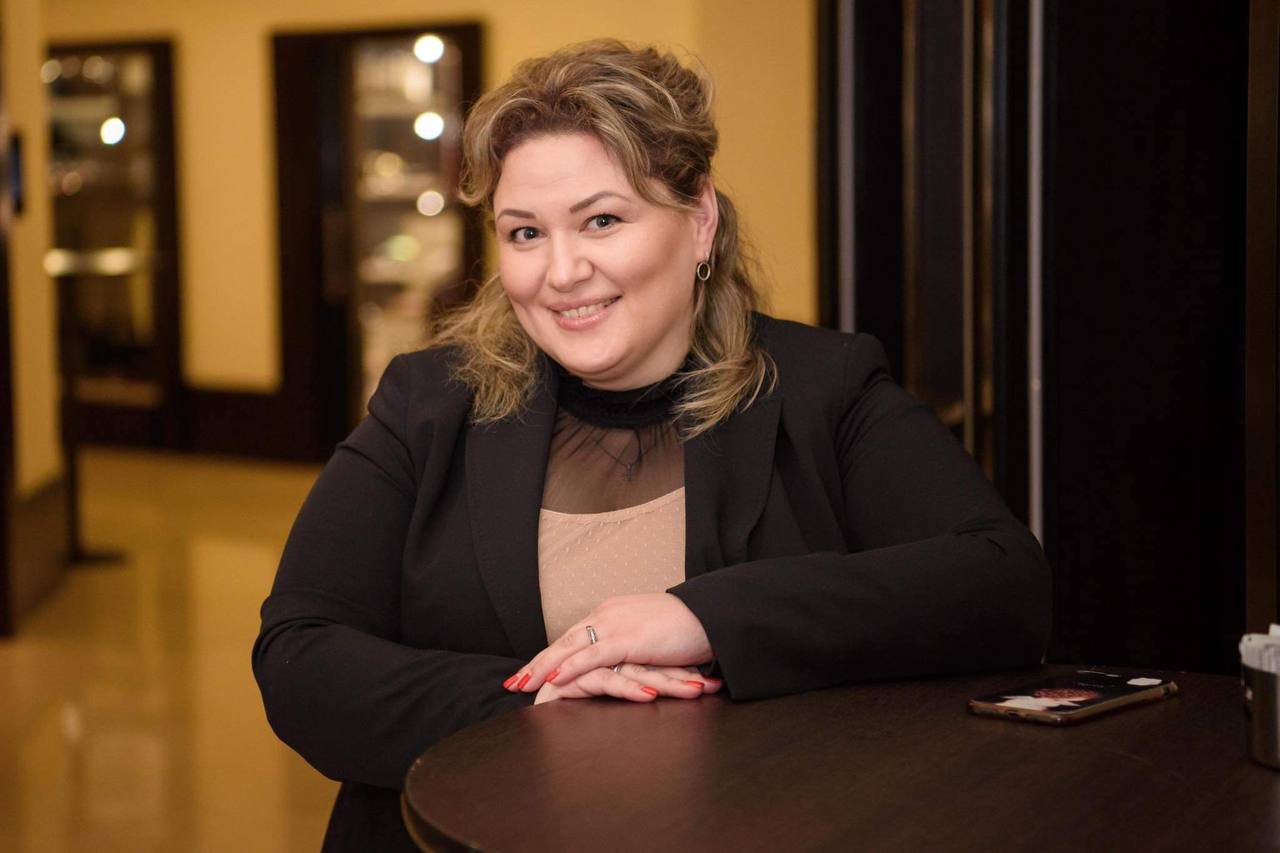
Olha Rudyaka-Petrychenko is a psychologist, trainer, lecturer, member of the Ukrainian Psychological Association and the Ukrainian Union of Psychotherapists
Uncertainty and stress can have a serious impact on a person’s health and psychological well-being
Social instability is a state of society when it is experiencing profound changes, crises, conflicts or insecurity. This situation can be caused by various reasons – war, revolution, crisis, disaster, pandemic, terrorism, protests, migration, etc.
Unfortunately, Ukrainians in today’s context are experiencing many of these factors simultaneously.
People who find themselves in such circumstances often experience psychological stress and negative emotions. They may experience anxiety, fear, anger, sadness, hopelessness, guilt, alienation, depression or post-traumatic stress. In addition, they may have difficulties with adaptation to the new reality, studying, working, relationships, self-esteem, self-fulfilment and other aspects of life (many forced migrants and IDPs are currently facing this).
Psychosocial support is the process of helping and assisting people in difficulties in order to alleviate their condition, increase their resources, restore their balance and improve their quality of life.
Psychological support can take many forms and methods, such as information, counselling, therapy, education, group work, thematic community, etc. It is provided by different professionals, such as psychologists, psychotherapists, social workers, doctors, teachers, priests, volunteers, etc. – so you can contact any of them.
Psychological support in times of social instability is important and necessary because it helps people:
- Reduce the level of stress, anxiety, fear, anger, sadness, hopelessness, guilt, alienation, depression, post-traumatic stress disorder, suicidal thoughts and other negative emotions and disorders.
- Increase the level of safety, peace, hope, optimism, confidence, self-esteem, self-actualisation and other positive emotions and states.
- Develop and use their internal and external resources, such as strength, courage, flexibility, endurance, creativity, initiative, skills, knowledge, values, goals, plans, interests, hobbies, etc.
- Establish and maintain positive and productive relationships with other people, such as family, friends, partners, colleagues, peers, support group, community, etc.
- Adapt to changes, crises, conflicts, uncertainty, danger and stress that accompany social instability and find positive aspects and opportunities in difficult situations.
- Restore and improve their physical and mental health, well-being and quality of life.
Here are some practical tips that you can use yourself to provide and receive psychological support in the face of social instability:
- Practice self-care. Self-care is the actions you take to maintain your physical and mental health and well-being. It includes aspects such as nutrition, sleep, physical activity, hygiene, relaxation, hobbies, socialisation, education, self-development, etc.
Self-care helps you to maintain your energy, mood, optimism, motivation, productivity and immunity, and it can also help prevent and treat various diseases and disorders related to stress and social instability.
- Use relaxation techniques such as progressive muscle relaxation or visualisation. They help reduce muscle tension and calm the mind.
- Psychological strategies – train positive thinking. Try to practice positive thinking. Replace negative thoughts with positive affirmations (of course, this is only possible if you are not in a critical or traumatic condition).
- Start a gratitude di ary – keeping a diary where you write down things you are grateful for every day can improve your attitude to life and reduce stress, and help you shift your focus from what you don’t have to what you do have.
- Setgoals and dream – setting realistic goals and developing a plan to achieve them can give you a sense of control and direction.
- Do something thatyou enjoy and bring pleasure to – hobbies, creativity, studying, volunteering or other activities. This will help you to switch from negative thoughts, feel useful and develop. Such activities can be not only distracting but also therapeutic.
- Pay attention to your psychological readiness for change – learning adaptation skills, developing self-confidence, and setting realistic expectations are key components of psychological readiness.
It’s important to remember that taking care of your mental health is just as important as your physical health, as health is a comprehensive state of physical, mental and social well-being.
And most importantly, whatever you choose, don’t withdraw into yourself and avoid your emotions.
You have the right to feel fear, anger, sadness, guilt or other feelings related to the war. It is important to acknowledge and accept your emotions, express them in a constructive way, seek understanding and empathy from others, and allow yourself to be “not perfect”.
In general, psychological support in the context of social instability is a comprehensive and individual process aimed at maintaining mental health and adapting to changes, so do not hesitate to ask for help if you need it.