Romanian Patriot to guard Ukrainian skies: Western defence industry transforms to support Ukraine
7 October 2024 11:56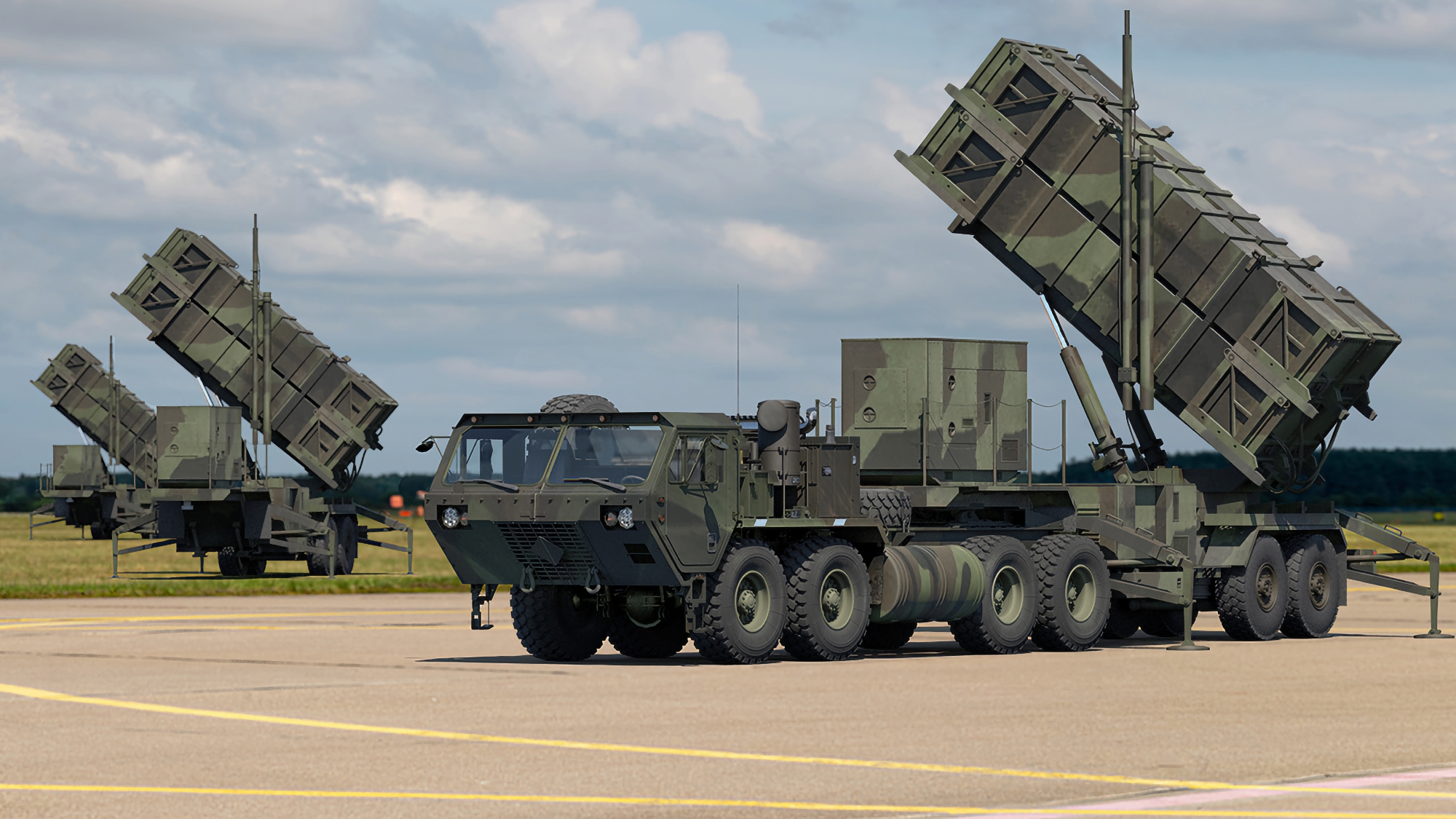
 ANALYSIS
The Romanian Patriot battery has arrived in Ukraine, a month has passed and the system will be on combat duty in the near future.
This means that the training started before the president of the country initiated the bill on the transfer. It takes 10-14 weeks to receive a koin (mark) for mastering the Patriot.
Ammunition
Probably, some of the two hundred missiles of kinetic interceptors and versions against aerodynamic targets ordered by the Romanians for their 7 batteries have also gone to us – for example, the set that is being imported.
And then there will be current orders for Switzerland, Sweden, Morocco, Poland – in the coming year, we will prioritise the delivery of several hundred delivery vehicles to prevent the Russians from cutting off the military-industrial complex and the generation of energy, heat and steam on the eve of winter.
This is good, because production of the EU-US joint venture PAC-2 GEM-T, a version that can target aircraft and intercept small ballistics, is slowly ramping up.
MBDA Bayern-Chemie will produce engines for the missiles, while a subsidiary in Spain will produce rudder actuators, etc. Today, there are plans to produce up to 35 products per month until 2027.
Localisation for the eastern flank and centre of the Alliance, closing the stockpiles transferred to us, and the re-industrialisation of the EU are all large-scale projects that will affect Kyiv.
So we will have ammunition for now, including thanks to Spain, Romania, Germany, the Netherlands, the United States, and Norway, which are transferring stocks. And then Europe will start producing air defence delivery systems on its own, mainly under the Shield of Europe programme, but we will also receive some.
Support
We have received the most modern version of the system: with the latest firmware; with the AN/MPQ-65 radar with active phased array; with the ability to fire different generations of missiles simultaneously, to reduce the cost of work on the Shaheds and Kalibras that have broken through, while maintaining the ability to defend ourselves against ballistic missiles.
Romania purchased PAC-2 GEM-T and PAC-3 MSE. Both missiles specialise in ballistic missile interception. Both small, non-contact fuses, and “large” ballistic missiles using a dozen titanium elements.
The task is not to detonate the warhead in 100% of cases, but to knock it off its trajectory – that’s why there is a cloud of titanium submunitions to interrupt control or simply throw the conventional Iskander off the route.
Romania’s maintenance and repair capabilities are also important – both Warsaw and Bucharest are opening service centres (where routine maintenance and repair of combat damage, not all of it, but many of it, can be done without sending it to the US).
Follow us on Telegram: the main news in a nutshell
Missile defence is an extremely important strategic task for us.
Ukraine has increased grain exports through ports and the southern corridor of river ports on the Danube, already more in tonnage than last year (10.7 million tonnes, 59% growth).
In principle, Romanians themselves see the arrivals on infrastructure, cranes, berths and residential buildings just 500 metres from their villages, so everything is simple.
Either they help us or arm themselves – there is no other way.
Romania is likely to take both routes: to protect its coast and help us somewhere along the Dnipro River.
Perspective
Kyiv needs to create a chain of ammunition – chemical production, hardening and casting of shell or mine bodies, mills for hinges and powders, and various furnaces for hardening penetrating heads.
There are key production facilities for the stability of the combat line: SAMs, ATGMs, MANPADS, drones, screwdriver assembly of MPADs, mines, shells.
All of this can only be protected by long-range systems with ballistic interception capabilities – Israel is unlikely to sell us its Arrows (plus they have a contract with Germany, the Italian-French SAMP/T, which is a good thing, but it is being developed slowly).
Then there is the United States, which has 8 battalions (33 batteries) in the metropolis and 7 battalions (27 batteries) of Patriots among its partners.
However, the Americans are not in a hurry to part with their existing batteries, they are upgrading storage to PAC-3 and producing new ones, with an eye to a possible conflict in the Pacific.
Therefore, a programme to transfer batteries from EU partners, with these gaps closed by increased production, a pair of US batteries and missile production as a priority for Kyiv at the expense of already paid contracts by third countries is a good way out of the situation when it is necessary to strengthen Europe and not weaken the Asian theatre of operations.
Follow us on Telegram: the main news in a nutshell
Author: Kyrylo Danylchenko, military expert