Ukrainian drones struck one of Russia’s largest oil refineries: what are the consequences?
15 May 11:09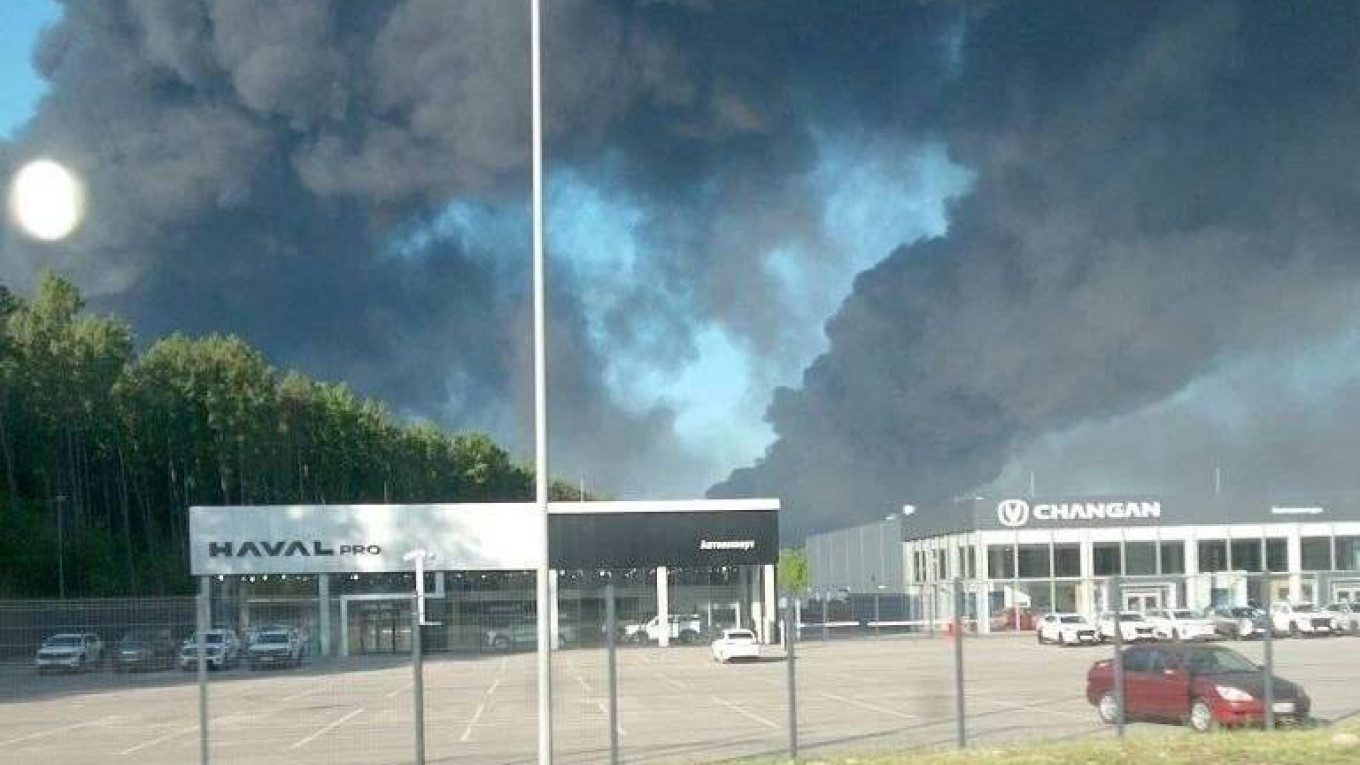
On the night of May 15, Ukrainian drones attacked an industrial facility in Ryazan, according to Pavel Malkov, governor of the Ryazan Region. According to him, two high-rise residential buildings were damaged during the raid when debris from the downed drones fell on them. This was reported by "Komersant Ukrainian", citing Russian propaganda media.
According to Malkov, three people were killed and twelve were injured in the attack, including children. All victims were promptly provided with necessary assistance. An assessment of the damaged structures is underway. The evacuation of residents has been organized.
Watch us on YouTube: important topics – without censorship
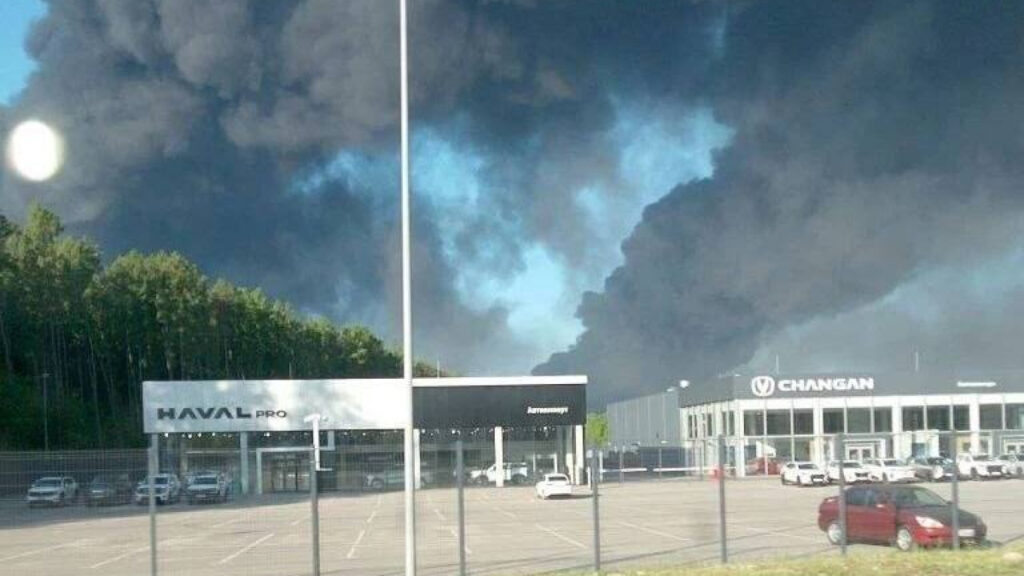
According to photos and videos from eyewitnesses, several plumes of black smoke rose above the city after the attack. As noted by the Ukrainian monitoring channel Exilenova+, the drones targeted the Ryazan Oil Refinery (RNPZ), which is owned by Rosneft. It is one of Russia’s largest oil refineries, with a capacity of approximately 17 million tons of oil per year. The refinery produces all grades of automotive gasoline, diesel fuel, jet fuel, fuel oil, liquefied gases, bitumen, and petrochemical feedstocks. The plant has previously been hit by Ukrainian strikes on multiple occasions. In November 2025, it halted operations following a fire.
Since the beginning of this spring, seven Russian refineries have already suspended oil processing due to attacks by Ukrainian drones. Specifically, on March 21, the Saratov Refinery was put out of commission; on April 5 — Nizhegorodnafteorgsintez, on April 16 — the Tuapse refinery, on April 18 — the Novokuybyshevsk refinery, on April 22 — the Syzran refinery, and on May 5 — Kirishinefteorg “Permnafteorgsintez.”
As a result, oil processing volumes at Russian refineries plummeted to their lowest level since 2009—4.69 million barrels per day. Compared to last year, refinery utilization fell by 12%, and compared to pre-war 2021—by 18%, or nearly 1 million barrels per day. In response, the Russian government tightened control over the gasoline market: in May, the 11 largest oil companies signed agreements with the Russian Ministry of Energy, under which the government will issue monthly plans to refineries for fuel production, domestic market shipments, exports, and exchange sales.
Read us on Telegram: important topics – without censorship