10 days of US and Israeli operations against Iran: how this affected Ukraine and the world
10 March 15:55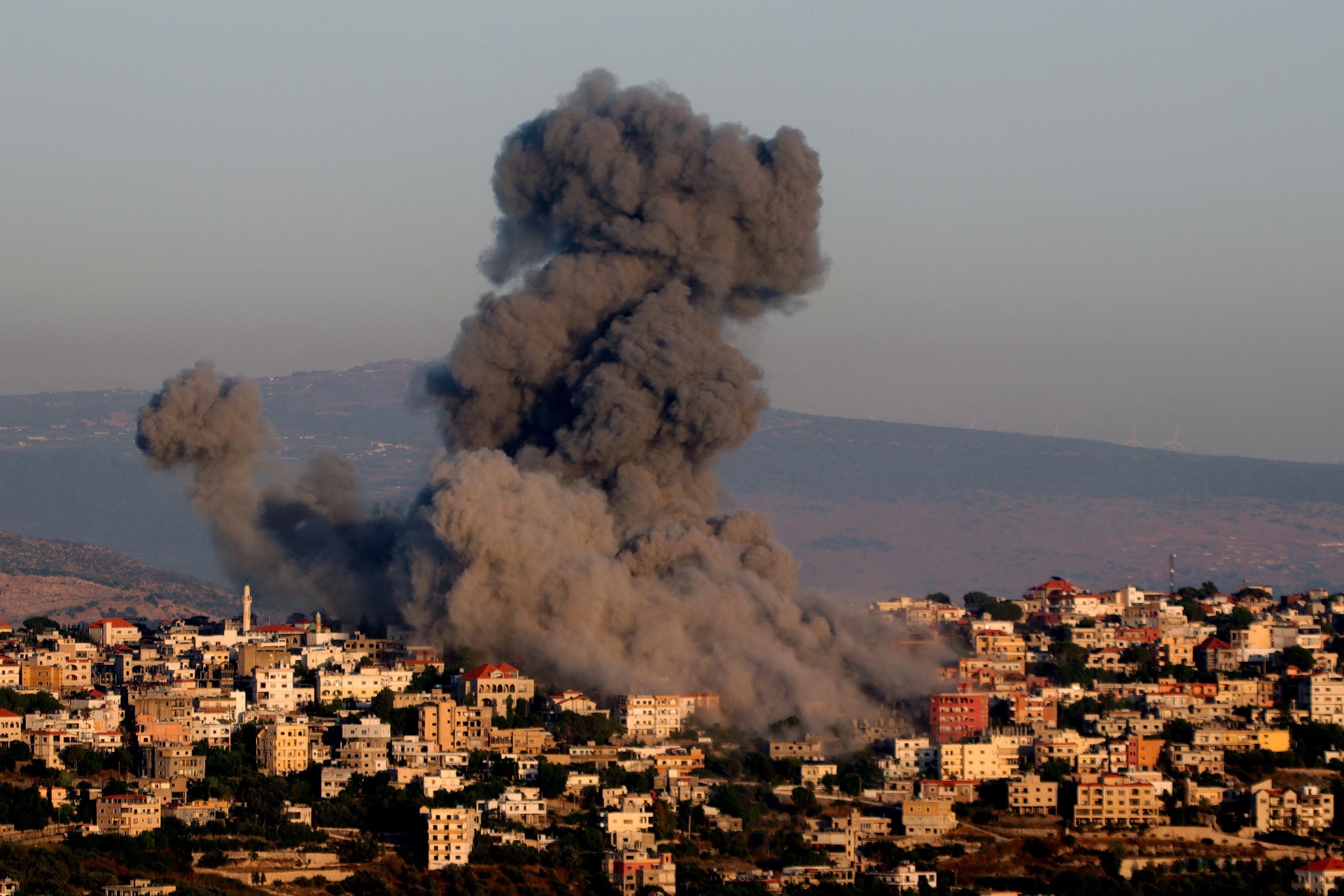
World politics is once again on the brink of serious turbulence. The military operation by the United States and Israel against Iran has been going on for ten days now — a conflict that could change the balance of power not only in the Middle East but also in the global security system. Tensions are rising amid mutual threats, missile strikes, and threats of attacks on diplomatic facilities around the world. Tehran declares its readiness for escalation, while Israel’s allies demonstrate their readiness for further military action. A war in the Middle East could affect the distribution of Western military resources, change global policy priorities, and create new challenges for international security. At the same time, escalation could affect the global economy, primarily energy markets, as any destabilization in the Strait of Hormuz traditionally leads to sharp fluctuations in oil and gas prices. Will the new conflict become a flashpoint for a large-scale war in the Middle East? Is Iran capable of expanding its military operations beyond the region? And how will this affect Russia’s war against Ukraine and the support for Kyiv from its allies?
Could the conflict escalate into a global war?
Iran has already announced a possible escalation and even threatened to strike Israeli diplomatic facilities in various countries around the world. It warned that any actions by European countries in the Middle East would be considered “acts of war” and could result in strikes on European cities. However, in an exclusive comment
“Iranian forces in Lebanon have been significantly weakened. For many years, Israel has been consistently striking the infrastructure and representatives of the Islamic Revolutionary Guard Corps in the region,” Grigory Tamar explains.
He emphasizes that the Israeli army has been systematically destroying Iran’s military presence in Syria and Lebanon for a long time.
“After the events in Syria, where Israel has been weakening Iranian positions with air strikes for years, this has significantly complicated Tehran’s ability to act openly,” Tamar explains.
The world in the context of a hybrid World War III
Grigory Tamar is convinced that modern conflicts are interconnected and that their origins lie in Russia’s aggression against Ukraine.
“When Putin attacked Ukraine more than four years ago, the Third World Hybrid War effectively began. It plunged the world into chaos and instability,” says Grigory Tamar.
According to the IDF reserve officer, the events in the Middle East are part of a broader global confrontation.
“We are dealing with an axis of authoritarian regimes — Russia, Iran, North Korea — that pursue aggressive policies and use terrorism as a tool,” says Tamar.
Support for Ukraine: will the new conflict change it and what role will Europe play?
One of the main questions for Kyiv is whether the West’s attention will shift to the Middle East. Tamar believes that allied relations are determined by real actions, not declarations. It is important that Ukraine has allies. The United States has provided and continues to provide enormous assistance. Without this support, it would be much more difficult for Ukraine to survive, the expert noted.
At the same time, the IDF reserve officer draws attention to a telling point: Russia, which calls Iran its ally, has in fact been unable to help Tehran.
“Where is Russia’s help to Iran? Old air defense systems that are easily destroyed. This shows the real price of such alliances,” Tamar said.
The expert emphasizes that a large-scale operation against Iran is impossible without the support of European allies.
“Iran is a large country with a population of over 90 million people and a huge territory. Without logistical support from Europe, it is practically impossible to wage such a war,” says Grigory Tamar.
According to him, NATO countries are increasingly demonstrating who is ready to support their allies. This war has become a litmus test — it shows who is a true partner.
Will Russia take advantage of the new crisis?
Against the backdrop of escalating tensions in the Middle East, there is a risk that Russia will try to intensify its military operations in Ukraine. However, according to Tamar, the Kremlin’s behavior does not depend on the international situation.
“Russia is trying to inflict maximum damage on Ukraine regardless of what is happening in the world. This is a maniacal strategy,“ says Grigory Tamar.
The expert compares the Kremlin’s policy to the actions of a criminal who can only be stopped by force.
“The only way to stop the aggressor is to make the price of aggression unacceptable to him,” said Grigory Tamar.
Ukraine’s experience is becoming important for the world
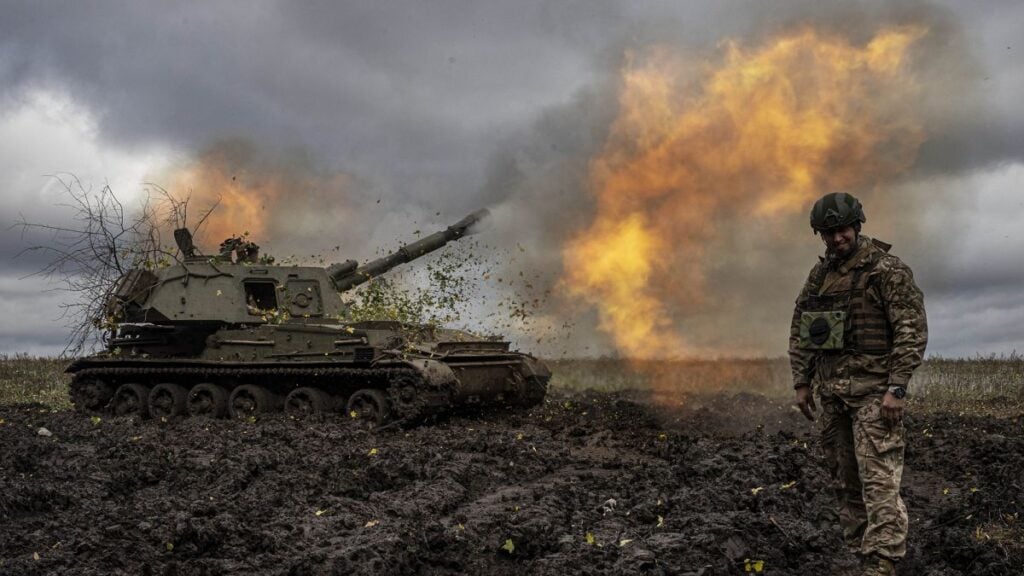
Russia’s war against Ukraine has given Kyiv unique military experience, especially in combating drones and modern warfare technologies.
“Ukraine is one of the few countries in the world today that has practical experience of large-scale warfare,” says Tamar.
Tamar believes that democratic states should pool their military experience.
“If they act wisely, the US, Ukraine, and Israel should combine their technologies, experience, and resources. These are three countries that are actually at war and know what modern warfare is,” says Hryhoriy Tamar.
A new stage of global confrontation
According to Grigory Tamar, the events surrounding Iran only confirm that the world has entered a period of large-scale geopolitical confrontation.
“Democracies must realize that they have one enemy. And only joint action can change the balance of power,” Grigory Tamar
Thus, events surrounding Iran demonstrate that modern conflicts are increasingly intertwined. Russia’s war against Ukraine, Israel’s confrontation with Iranian proxies, and the escalation between the West and authoritarian regimes are becoming elements of a single global process.
For Ukraine, the new crisis in the Middle East carries both risks and opportunities. On the one hand, the burden on allies is growing and there is a threat of resource redistribution. On the other hand, Ukraine’s experience in modern warfare, combating drones, and asymmetric defense is becoming increasingly in demand around the world.