44 European countries support plan to combat Russian ‘shadow fleet’
19 July 2024 13:14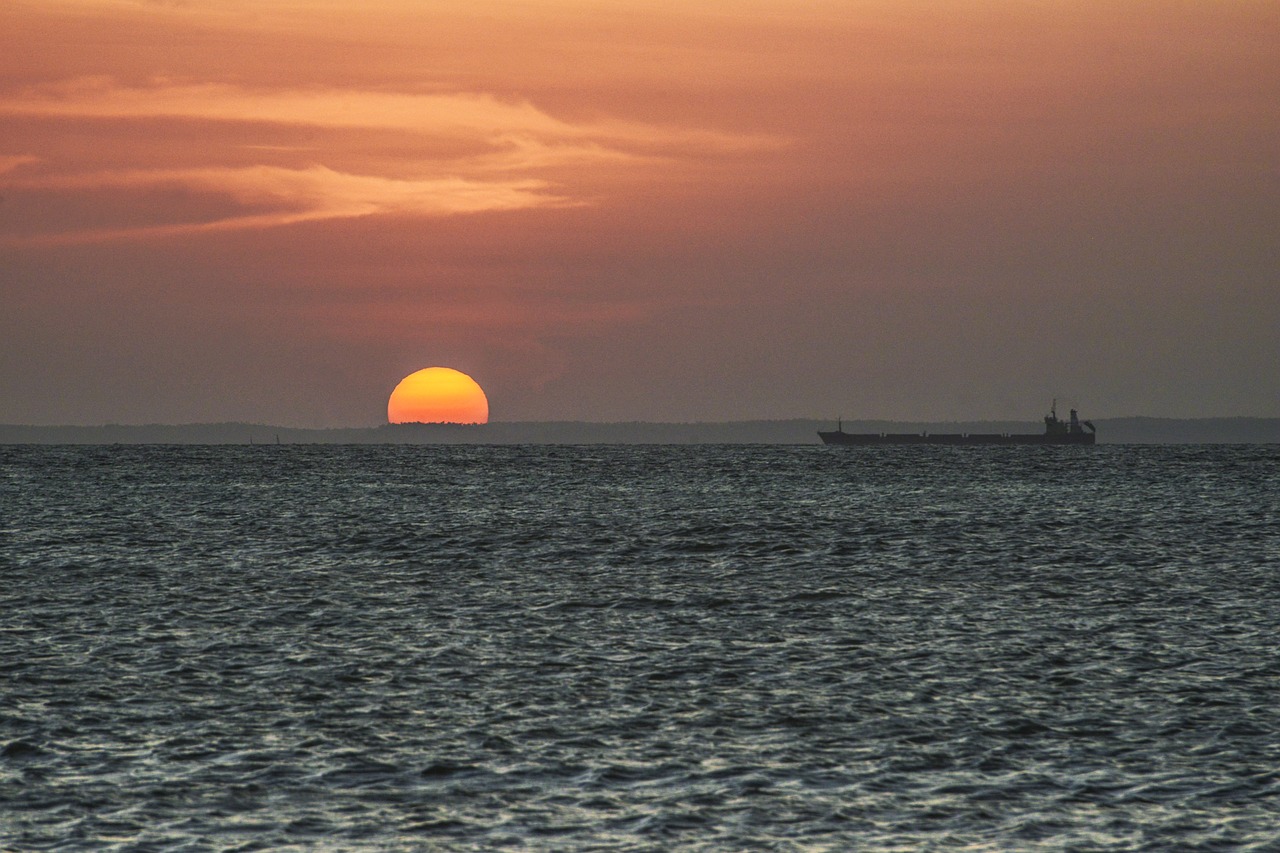
European leaders announced a call for action against Russian vessels at a meeting of the European Political Community held in the UK. This was reported by "Komersant Ukrainian" reports with reference to Bloomberg.
British Prime Minister Keir Starmer has announced tougher measures against the so-called “shadow fleet” of Russian oil tankers used to circumvent international sanctions. 44 European countries supported this plan.
The joint “call to action” is aimed at disrupting the activities of the fleet of approximately 600 vessels, which Western countries claim Moscow uses to transport about 1.7 million barrels of oil per day. The UK government also announced sanctions against 11 tankers used to transport Russian oil.
Starmer said that, along with their European partners, they had sent a clear message to those who facilitate Putin’s attempts to circumvent sanctions:
“We will not allow Russia’s shadowy fleet and the dirty money it generates to sail freely through European waters and jeopardise our security.”
President of Ukraine Volodymyr Zelenskyy will attend a meeting of Starmer’s Cabinet to discuss these measures. He will be the first foreign leader to address the Cabinet in person since 1997, when US President Bill Clinton did so.
According to the British government, the oil tanker fleet is being used to fund the Russian military machine in Ukraine and also poses an environmental threat to European waterways. Some of these vessels are also acting as Russian listening posts and transporting weapons to Russia.
8 out of the 11 tankers that the UK has sanctioned belong to the state-owned Russian oil tanker company Sovcomflot, while the other three have signs of being shadow fleet vessels. The measures mean that more than 60 oil tankers are now under US, UK or European Union sanctions.
On Friday, Starmer and Zelenskiy will sign a Defence Export Support Agreement, which provides for the use of £3.5 billion ($4.5 billion) in export financing to increase the production of military equipment for Ukraine.
EU sanctions against Russia
The European Union has already imposed 14 sanctions packages against Russia in response to its aggression against Ukraine. The sanctions cover a wide range of measures aimed at weakening the Russian economy and limiting Russia’s ability to wage war.
Key sanctions include freezing the assets of Russian high-ranking officials, including President Putin, restricting Russia’s access to EU financial markets, a ban on imports of Russian energy (coal, oil), and restrictions on exports of dual-use technologies and goods that could contribute to Russia’s military capabilities.
The EU also imposed sanctions against Russian banks, excluding some of them from the SWIFT system, banned Russian ships and trucks from accessing EU ports and territory, and restricted the activities of Russian media in the Union. In addition, restrictions were imposed on investments in the Russian energy sector and a ban on the export of luxury goods to Russia.
The sanctions also target individuals and organisations involved in the aggression against Ukraine, including politicians, the military, businessmen and propagandists. The EU regularly expands the sanctions lists by adding new names and tightening existing restrictions. The latest sanctions packages are aimed at combating sanctions circumvention, strengthening export and import controls, and restricting Russia’s access to technology and goods that could be used for military purposes. the 14th package of sanctions for the first time affected Russian gas, but did not hit it. The 14th package also introduced sanctions against Russia’s analogue of SWIFT.
More news in the Kommersant Ukrainian telegram channel: https://t.me/komersant_ukrainskyi.