€90 billion in aid for Ukraine is at risk: what the Slovak prime minister said
23 March 10:36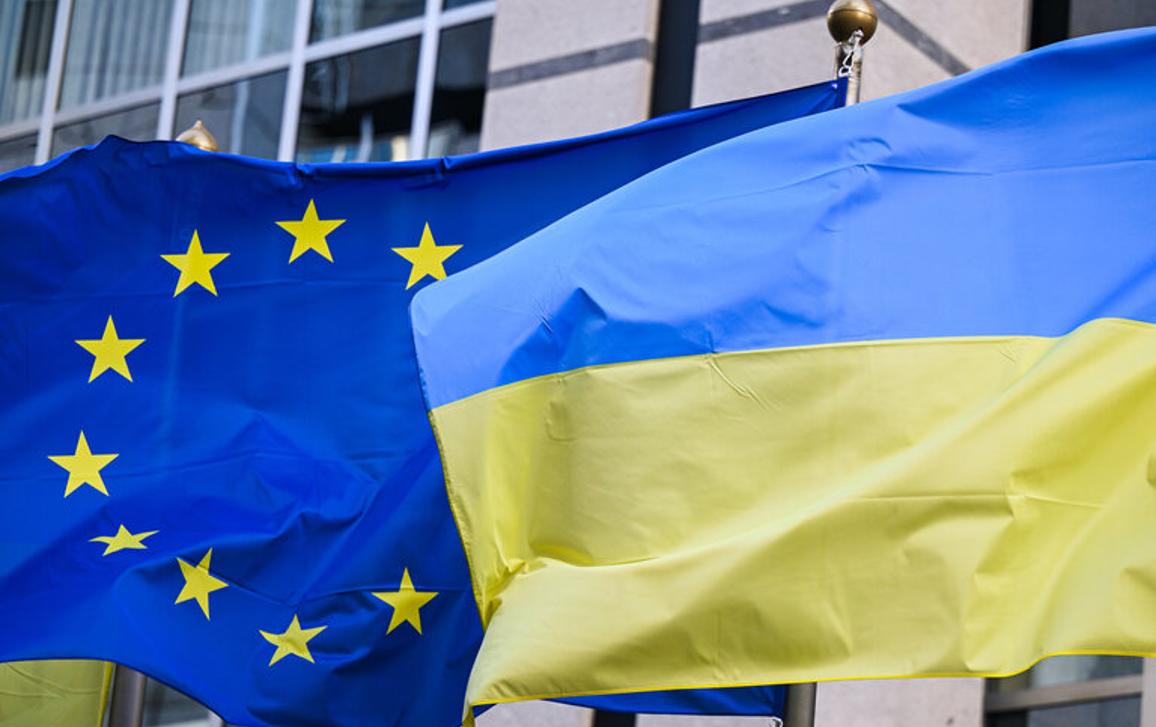
Slovak Prime Minister Robert Fico stated that he might support Hungary’s position on blocking the European Union’s €90 billion loan to Ukraine. According to him, Bratislava could join the effort to block financial aid to Kyiv under certain political conditions. This was reported by the Slovak publication Aktuality.sk, as noted by [Komersant]
What Robert Fico said
The head of the Slovak government expressed support for Hungarian Prime Minister Viktor Orbán, who had previously spoken out against granting a loan to Ukraine.
According to Fico, a situation may arise in the future where Slovakia also exercises its veto power.
He also made critical remarks about Ukrainian President Volodymyr Zelenskyy, noting that, in his opinion, Ukraine cannot influence the European Union’s decisions.
In addition, Fico stated that Ukraine could allegedly resume oil transit through the Druzhba pipeline, and that the suspension of supplies, in his words, is linked to political decisions, not just the consequences of Russian attacks.
Why Fico refused to go to Kyiv
The Slovak Prime Minister also explained his refusal to visit Ukraine. He stated that he sees no point in going to Kyiv, given the critical attitude toward him on the part of Ukrainian society.
According to him, he is not ready for such a visit under conditions he considers politically unacceptable.
Why Hungary is blocking aid to Ukraine
Earlier, Hungary blocked the EU’s €90 billion loan to Ukraine. Budapest links its position to the issue of resuming Russian oil transit through the Druzhba pipeline.
This refers to supplies that were disrupted following a Russian missile strike on infrastructure in the Brody district of Lviv Oblast on January 27.
Why the EU loan has not yet been approved
Although most EU countries support providing funds to Ukraine, a final decision requires the unanimous support of all 27 member states.
EU leaders agreed on the main parameters of the financial aid back in December, but to launch the mechanism, changes must be made to the EU’s long-term budget, which are currently blocked.
It is known that the EU Council has already approved some of the necessary legislative decisions, but final approval depends on a political compromise among member states.
What this means for Ukraine
Experts note that the delay in disbursing funds could affect Ukraine’s budget stability, as international financial support is one of the key sources for covering government expenditures during the war.
At the same time, negotiations within the EU are ongoing, and a final decision may be made once political agreements are reached.