“The Red Swan” Never Took Off: Why the Protest in Russia Failed Before It Even Began
31 March 16:37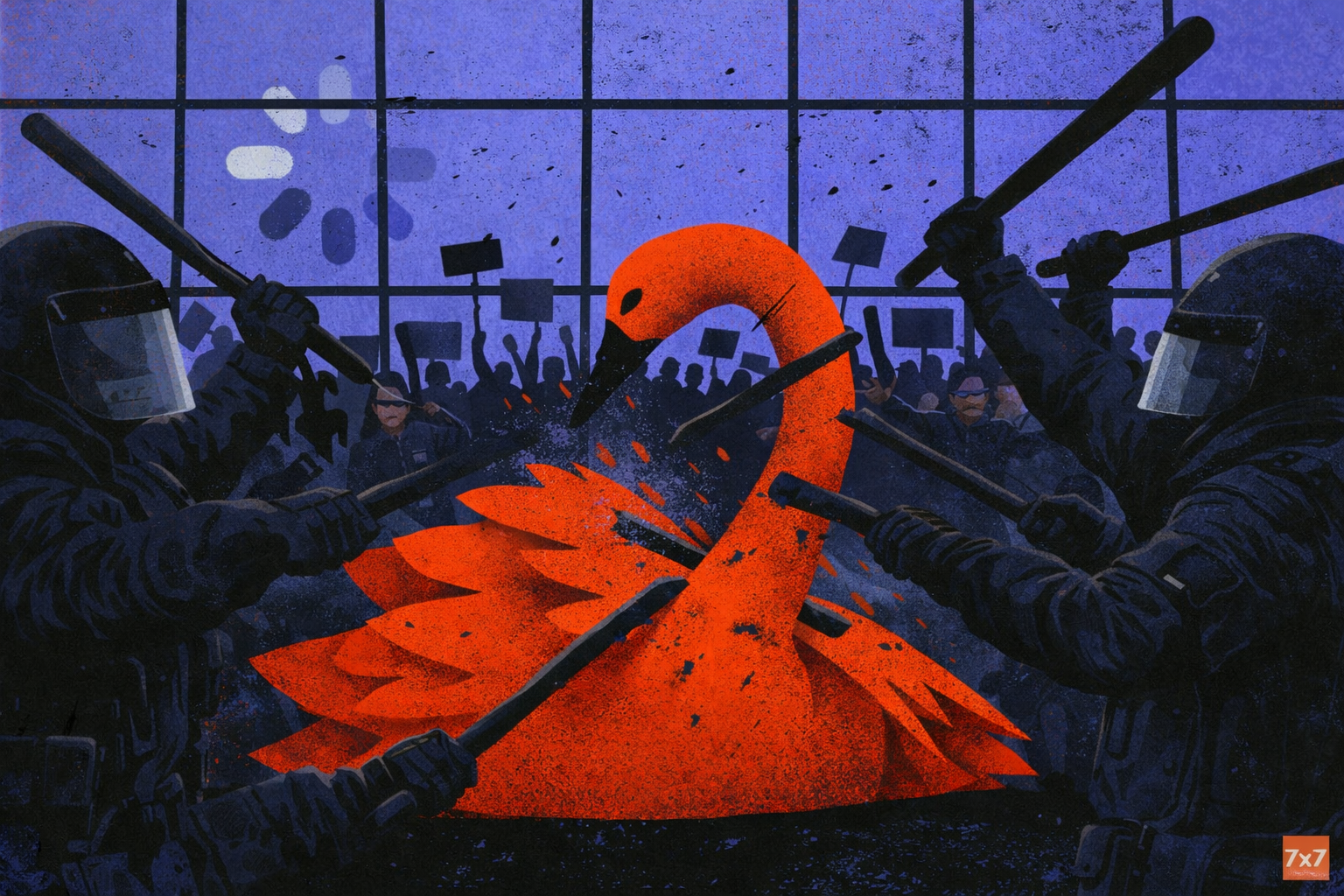
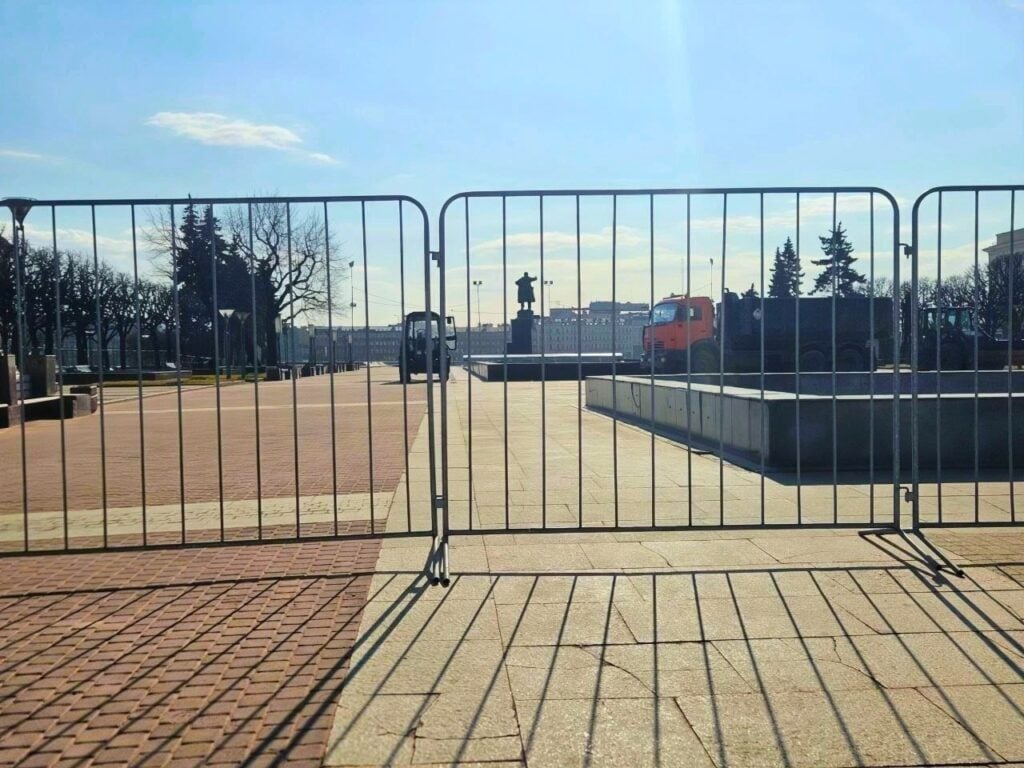
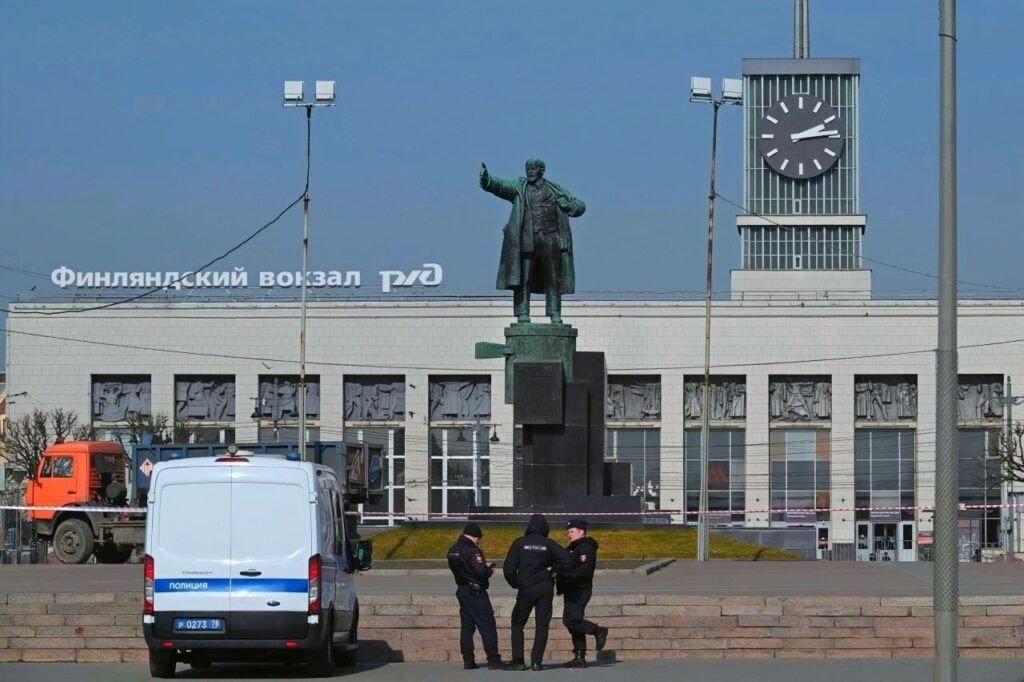
On March 29, 2026, a protest against internet censorship titled “The Scarlet Swan” was announced in Moscow’s Bolotnaya Square. On social media, it was presented as a potentially massive demonstration capable of bringing people out onto the streets. However, the reality turned out to be quite different: the protest effectively did not take place, and instead of thousands of participants, there were only isolated arrests.
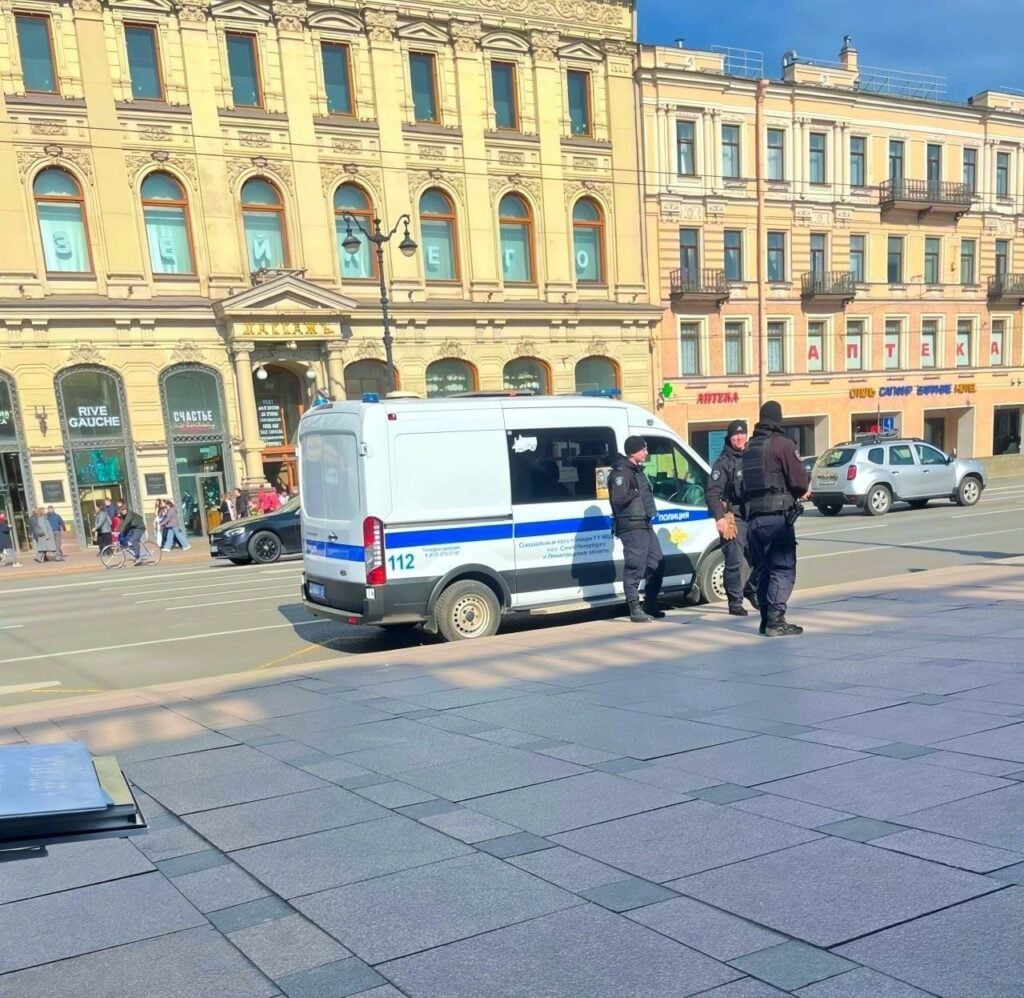
According to official data, police detained 12 people, and selective arrests also took place in other Russian cities. This story raises a much deeper question: Is Russian society capable of protesting today—and if so, against what exactly? Why did the “Scarlet Swan” protest fail before it even began? Who actually controls protest activity in Russia—citizens or security forces? "Komersant Ukrainian" investigated.
Contemporary protests in Russia are largely apolitical and driven by everyday problems, rather than genuine dissent against the government. Military expert Ivan Stupak explains.
“People get upset when Telegram isn’t working, when businesses close, when they can’t pay online or schedule a meeting. They just want the internet unblocked—they don’t care about anything else,” says Ivan Stupak.
Even large-scale social unrest in Russia rarely escalates into political protests due to the harsh system of punishment. According to Stupak, “taking to the streets with a ‘Stop the War’ sign means, at best, 15 years in prison, whereas protesting against the internet blockade means a maximum of 15 days of administrative detention.”
Watch us on YouTube: important topics – without censorship
Lack of Leaders and Security Forces’ Control
Another key reason why “The Red Swan” failed to take off is the lack of organizers.
“Anyone who tries to coordinate a protest is quickly neutralized: they’re de-anonymized, detained, and charged with extremism or terrorism,” says Ivan Stupak.
In other words, even small waves of protest are controlled by the security forces’ “manual regime.” They act selectively—by region, sector, or age group—to prevent protests from escalating into something systemic.
Historical parallels: “black swans” and snowballing protests
Stupak draws an analogy with historical events where local conflicts became catalysts for mass change.
“A classic example is Romania in 1989. A small incident in a small town could trigger a snowball effect of protests. In Russia, there are no such ‘black swans’ yet,” says Ivan Stupak.
According to the military expert, recent local waves of discontent, such as the mass slaughter of livestock, have not escalated into anything large-scale. This demonstrates how effectively the authorities are suppressing any organized manifestations of civic activism.
Read us on Telegram: important topics – without censorship
The rally on Bolotnaya Square on March 29 showed that even in large cities, the potential for protest is limited. The main participants in the wave of protests seek to resolve everyday problems—in particular, access to Telegram and the internet—rather than challenge the regime.
“Russians are protesting for the internet, not against the war. There is no real political wave, and most likely there won’t be one in the near future,” concludes Stupak.
This indicates a high level of control over society and, at the same time, deep disappointment among citizens regarding their daily lives and the digital sphere.
Why “Red Swan” appeared right now
IDF Reserve Officer Grigory Tamar, in a comment to “Kommersant Ukrainian,” emphasized that this should be viewed with cautious optimism. According to the expert, the main reason is the general crisis of the totalitarian regime:
“The closer the collapse of the totalitarian regime, the more absurd its orders become,” – Grigory Tamar
He compares the authorities’ current actions to “ritual sacrifices”: blocking the internet, surveillance and arrests, and prior provocations—all of this is intended to suppress the population’s protest sentiment.
The officer notes that any protest in Russia since the start of the war and the full-scale invasion has been brutally suppressed.
“Over the past four years, the FSB has tracked down and personally punished every such person. At best, they were fired from their jobs; at worst, they were maimed, sent to prison on trumped-up charges, or sent to a psychiatric hospital,” noted Tamar
Even if a protest does take place, its scale is unlikely to exceed a few dozen people, and it will be quickly suppressed.
According to the officer, it is precisely through the internet and social media that calls to take to the streets are emerging. The authorities are already taking measures:
“You probably see why they cut off the internet. They sensed something, they caught wind of something,” said Grigory Tamar
This suggests that the “Red Swan” campaign could be either a genuine protest or a way to test citizens’ loyalty.
War and the regime’s internal model
The expert emphasizes that the current Russian government functions only under wartime conditions:
“If the war ends, the regime will fall… Those who have been on the front lines for four years now are accustomed only to violence, looting, and murder… They are incapable of engaging in socially useful work. If they return to the cities, they will overthrow the government there,” says Tamar
He explains that this is precisely why even potential mass discontent among the population cannot change the situation without violence. In conclusion, the IDF reserve officer urges caution in assessments.
“The Red Swan—who knows what it will be like, or if it will happen at all… Popular unrest hasn’t started yet, but arrests are already underway,” says Grigory Tamar
The expert advises closely monitoring the situation, as any protest in Russia could become either a real threat to the authorities or a tool for their manipulation.
Thus, the events of March 29 showed: protest potential exists in Russia, but it is fragmented, apolitical, and under strict state control.
People are willing to give up their usual comforts—the internet, services, work—but are not ready to openly oppose the war or the regime.
At the same time, the very emergence of actions such as “Scarlet Swan” indicates internal tension within society. So far, it has not taken on a political form, but in crisis conditions, it could become the basis for more large-scale processes.