An asteroid is hurtling toward Earth at a speed of 37,000 km/h: Is there a threat to the planet?
27 March 05:31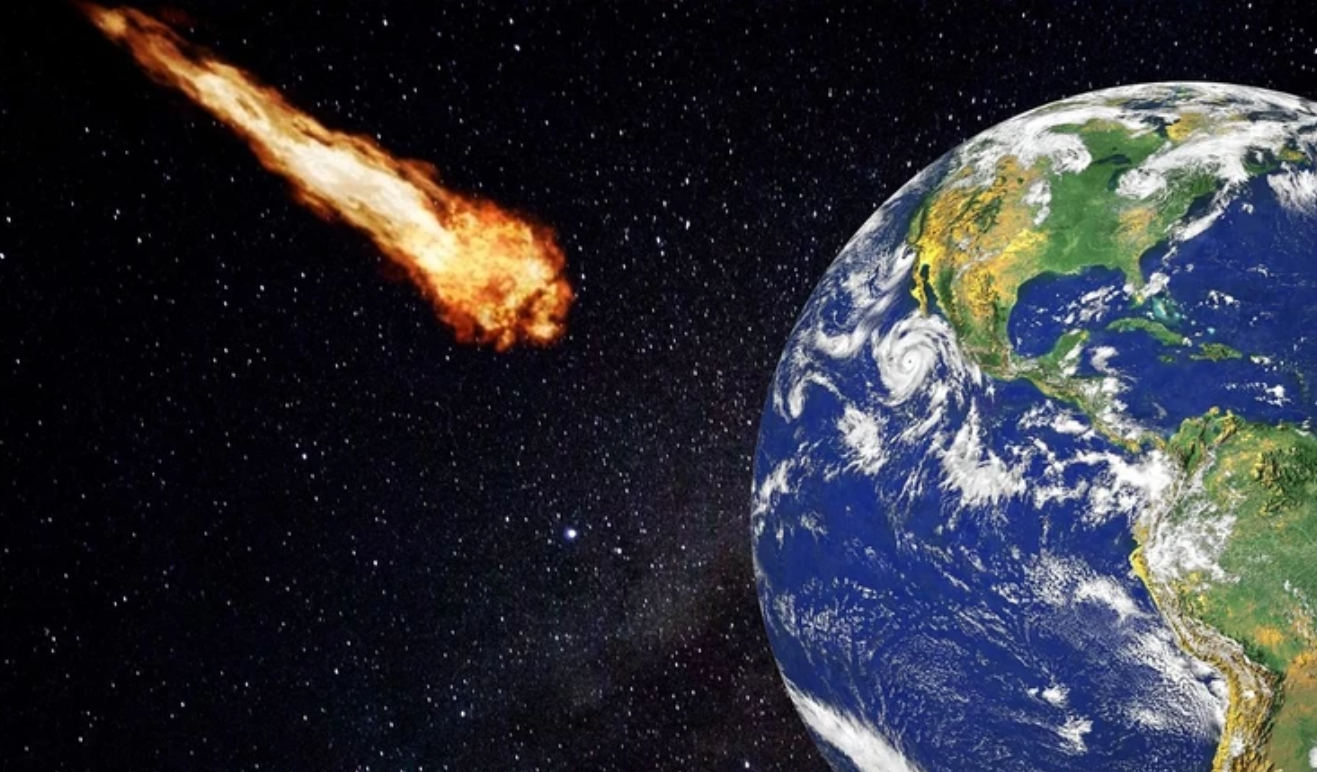
On March 27, asteroid 2026 FB4—which is about the size of a passenger bus—will fly past Earth at high speed. The space object is traveling at a speed of over 37,000 kilometers per hour, but it poses no threat to the planet.
This was reported by Newsweek, according to "Komersant Ukrainian"
What is known about asteroid 2026 FB4
According to NASA’s Jet Propulsion Laboratory (JPL), the asteroid has a diameter of approximately 9 meters.
It is expected to pass by at a distance of about 650,000 kilometers from Earth. For comparison, this is nearly 1.7 times greater than the distance from Earth to the Moon.
Astronomers note that such objects regularly fly past our planet and pose no danger.
What other asteroids will approach Earth
In addition to 2026 FB4, scientists are tracking several other space objects this week:
- asteroid 2026 FB3 (about 16 meters in diameter);
- 2026 FA3;
- 2026 FL4;
- 2026 FX5.
In particular, asteroid 2026 FB3 will pass at a distance of approximately 2.8 million kilometers from Earth.
Can such asteroids be dangerous?
Scientists explain that the potential danger of an asteroid depends on several factors:
- size;
- composition;
- speed;
- angle of entry into the atmosphere;
- the location of the potential impact.
Objects up to 20 meters in size usually burn up completely in the atmosphere.
What would happen if an asteroid of this size were to fall
Scientists note that small asteroids rarely reach the Earth’s surface.
In most cases, they:
- break up in the atmosphere;
- burn up;
- create a meteor shower (“shooting stars”).
Even if such an object reaches the surface, large-scale destruction is unlikely.
According to scientists’ estimates, an asteroid with a diameter of up to 100 meters would not cause a global tsunami if it fell into the ocean.
How NASA tracks asteroids
NASA and other space agencies constantly monitor objects that may be approaching Earth.
To do this, they use:
- telescopes;
- radar systems;
- mathematical orbital models;
- automatic warning systems.
All potentially hazardous objects are listed in a special catalog of near-Earth asteroids (NEOs).
Why You Shouldn’t Panic
Experts emphasize that such news often sounds alarming, but most of these asteroids pose no danger.
NASA regularly reports on such objects precisely to ensure transparency in scientific observations, not because of any real threat.
Astronomers note that small asteroids approach Earth quite often—sometimes several times a month.
How often do asteroids fly past Earth?
According to scientists’ estimates:
- small asteroids fly past Earth regularly;
- larger objects are detected much less frequently;
- potentially hazardous asteroids are closely monitored.
Most of these celestial bodies never pose a threat to humanity.