Gas stations have already received licenses to sell medications: which ones exactly
25 March 11:21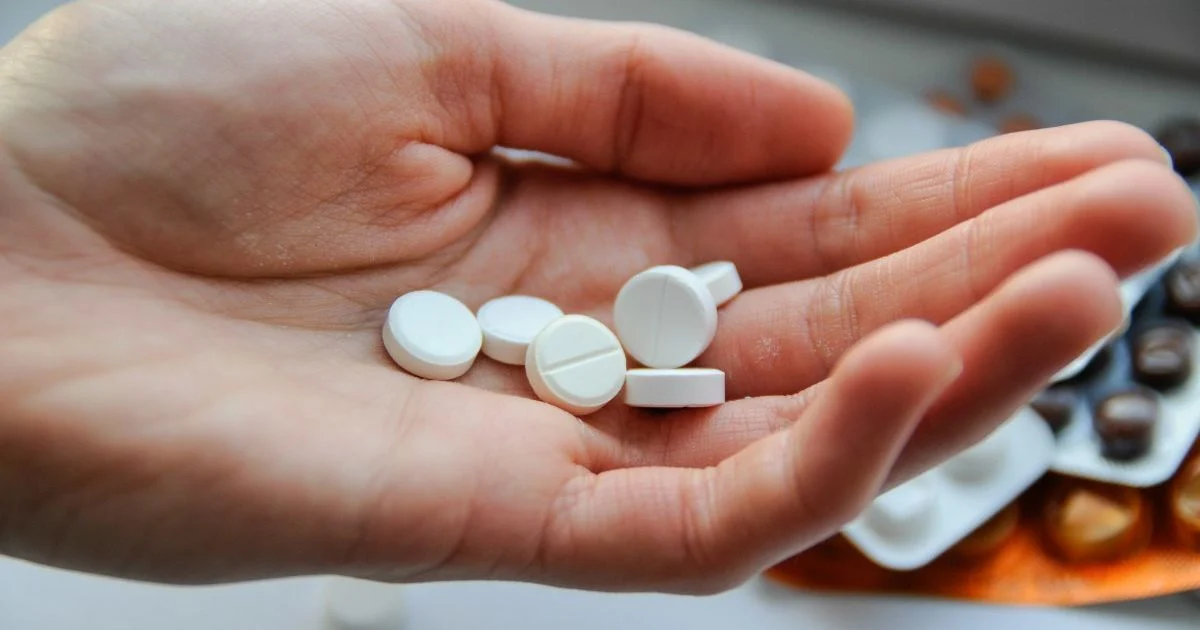
The State Service of Ukraine on Medicines and Medical Devices has issued licenses to sell medicines to the Ukrnafta and Okko gas station chains. Other applicants are currently undergoing verification of their compliance with licensing requirements.
This was reported by Interfax-Ukraine, as relayed by "Komersant Ukrainian".
Licenses to sell medicines
In addition, the BRSM-Nafta and UPG chains have also submitted applications. Their documents are currently under review within the timeframes established by law.
The agency emphasized that the decision to issue a license is made solely based on the results of the review of the submitted documents and verification of compliance of the material and technical base, staffing, and organizational structure with the requirements of the licensing conditions. In other words, if all legal requirements are met, a license may be granted to any gas station network or individual business entity that has submitted an application.
This decision opens up a new opportunity for Ukrainian gas station chains to offer medicines directly at their stations, providing convenience for consumers and expanding the range of services.
Sale of Over-the-Counter Medicines at Gas Stations
As a reminder, amendments to the licensing conditions allow for the sale of over-the-counter medications at gas stations without establishing a pharmacy or its structural unit. The sale of medications may be carried out by gas station employees provided they hold the appropriate license.
Sales at gas stations require:
- compliance with the drug storage conditions specified by the manufacturer;
- the presence of an authorized person with appropriate pharmaceutical training to ensure quality control;
- the establishment of a separate area for storing medicines, separate from other goods.
Sales via vending machines are also permitted, provided storage and control conditions are met. The goal of these changes is to improve physical access to medicines in rural areas, frontline regions, and at night, when pharmacies are often unavailable.