The balance is shifting: Chinese cars are making a stronger push into Europe
24 March 21:54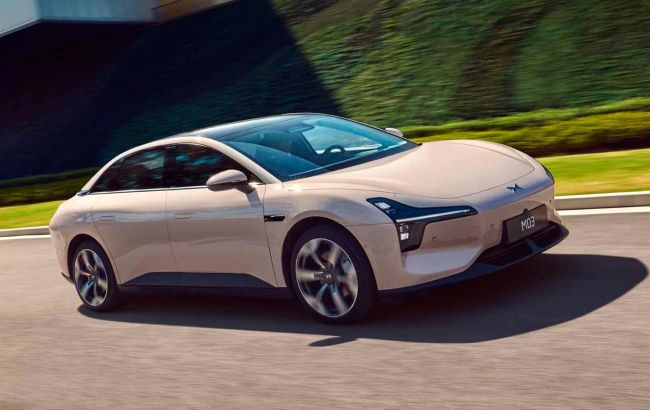
The balance of power in the global automotive market is gradually shifting in China’s favor. According to an analysis by the consulting firm EY, imports of cars and auto parts from China to the European Union have exceeded European car exports to China for the first time.
This is reported by Daily Sabah, as cited by "Komersant Ukrainian".
According to last year’s results:
- car exports from the European Union to China fell by 34%—to €16 billion;
- imports of Chinese cars and parts rose by 8% to €22 billion.
Analysts view this as a significant sign of a shift in the global balance within the world automotive industry.
Germany is experiencing a shift in trends
The changes are particularly noticeable in Germany—Europe’s largest automobile manufacturer.
In 2025:
- China was only the sixth-largest export market for German cars;
- the trade surplus with China has sharply declined.
The difference between exports and imports:
| Year | Difference |
|---|---|
| 2022 | 30 billion euros |
| 2025 | €13.6 billion |
Meanwhile, car imports from China to Germany rose by two-thirds—to €7.4 billion.
EY analysts predict that imports and exports could reach parity in 2026.
China is strengthening its position in Europe
Although German manufacturers still hold a strong position in the domestic market, Chinese brands are already actively expanding their presence in Europe.
They are growing particularly rapidly in the following segments:
- electric vehicles;
- batteries for electric vehicles;
- automotive components.
The production of batteries for electric vehicles remains one of the key areas where Chinese companies hold a strong position.
Financial problems in Germany’s auto industry
Market changes have already impacted the industry’s financial results.
In 2025:
- revenues in the German automotive sector fell by 1.6%—to less than €528 billion;
- profits of manufacturers and suppliers plummeted.
Employment is also declining:
- the number of employees in the industry decreased by 6.2%—to 725,000;
- this is the lowest level in the past 14 years.
Mass layoffs in the industry
Due to the difficult situation, a number of large companies have already announced staff reduction programs, including:
- Mercedes-Benz
- Volkswagen Group
As well as major auto parts suppliers:
- Bosch
- ZF Friedrichshafen
- Mahle.
Suppliers are suffering the most
The situation is particularly difficult for auto parts manufacturers.
According to EY:
- their revenues fell by 4%;
- the number of employees has decreased by more than 10%.
Since 2019, the supplier sector has lost nearly a quarter of its jobs—about 73,000.
Why is the market changing?
Analysts cite several reasons for the industry’s transformation:
- increasing competition from Chinese manufacturers;
- weaker demand in key export markets;
- high prices for new cars;
- geopolitical crises;
- slower-than-expected growth in demand for electric vehicles.
An additional factor is the high cost of doing business and bureaucracy in Germany, which puts pressure on manufacturers.
Decisive years for the European auto industry
Experts believe that the coming years could be a turning point for Europe’s automotive industry.
If current trends continue, manufacturers will have to:
- reorient production;
- revise their export strategies;
- adapt more quickly to competition from China.
Analysts note that Europe’s future role in the global automotive market will depend on these decisions.