Berlin has opted for diplomacy: its stance on the situation in the Strait of Hormuz
16 March 10:28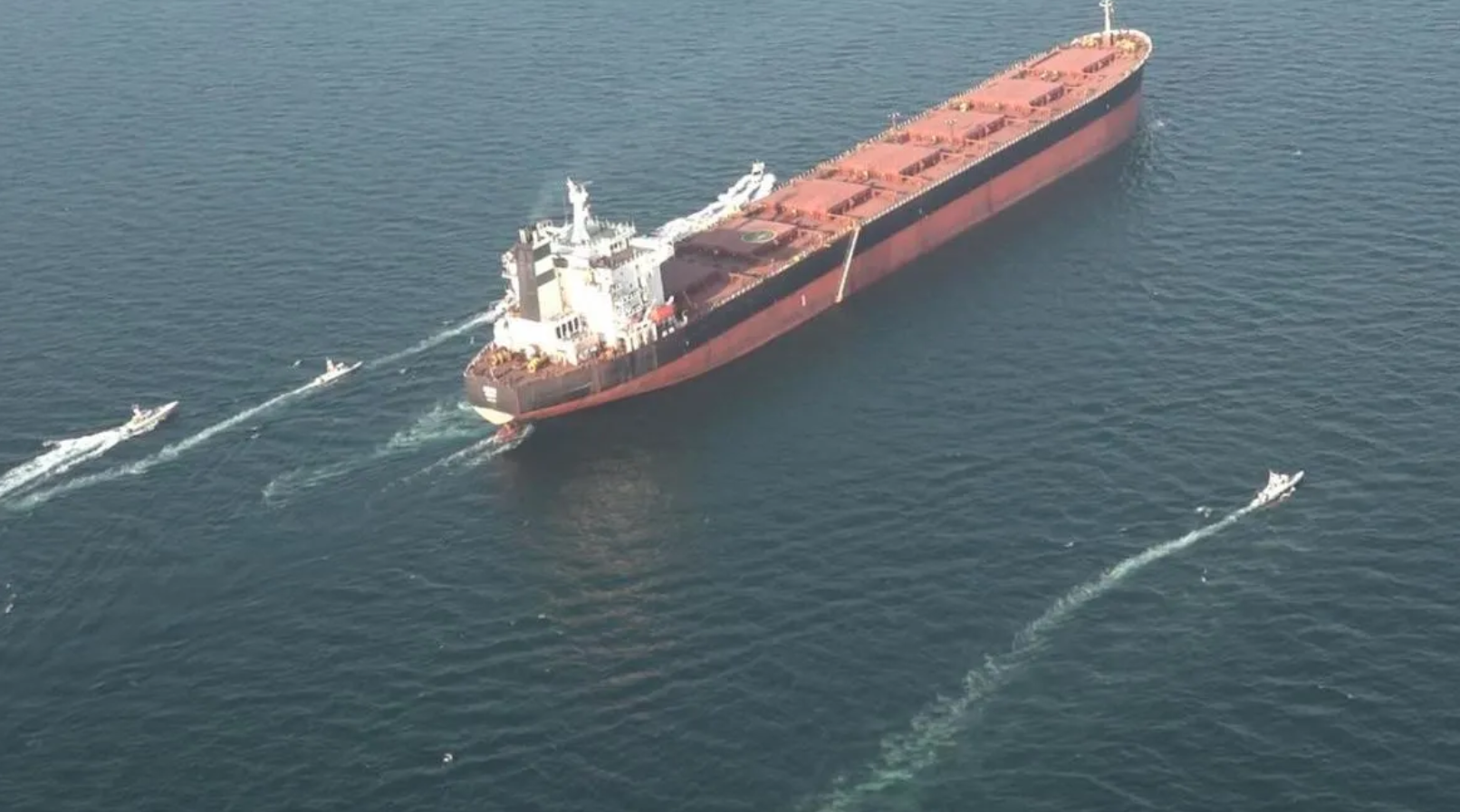
Germany has no plans to join any potential international military operations to protect commercial shipping in the Strait of Hormuz amid tensions surrounding Iran. Berlin emphasizes the need for a diplomatic resolution to the situation.
This was stated by German Foreign Minister Johann Wadephul in an interview with the German public broadcaster ARD, reports [Komersant]
Germany refuses to participate in a military operation
According to Johann Wadephul, at this time the German government sees no grounds for participating in a potential international operation.
“We will not participate in this conflict,” the minister emphasized.
He noted that the U.S. and Israel justify their actions by their desire to destroy Iran’s military capabilities, including its nuclear and missile programs.
At the same time, Germany expects its allies to keep it informed of developments. After that, Berlin is ready to join diplomatic negotiations to end the conflict.
Shipping safety depends on negotiations
The German Foreign Minister emphasized that ensuring the safety of shipping in the Strait of Hormuz and the Red Sea is possible only through political agreements.
According to him, negotiations are the key to stabilizing the situation in the region.
Skepticism regarding the EU’s Aspides mission
Wadeful also expressed doubts about the effectiveness of a possible expansion of the EU’s Aspides naval mission to the Strait of Hormuz.
He noted that this operation, currently active in the Red Sea, has not demonstrated sufficient effectiveness in ensuring security.
Germany’s Position on Europe’s Role
The minister acknowledged that Europe traditionally supports initiatives regarding the security of sea lanes, but currently sees no urgent need for Germany’s military involvement.
At the same time, he emphasized the importance of coordinating actions with allies.
“We expect clear information from the U.S. and Israel regarding their objectives and next steps, as well as joint discussions on ways to end the war,” Wadephul stated.
According to him, countries in the region also expect Germany to play an active diplomatic role in resolving the situation.
The Role of the U.S. and the Situation with Oil Transports
Against the backdrop of the escalating situation, U.S. President Donald Trump called on a number of countries to send military ships to the Strait of Hormuz to ensure the safe transport of oil from the Persian Gulf countries.
In particular, such requests were addressed to China, France, Japan, South Korea, and the United Kingdom.
Due to the tense situation, shipping in the region has become partially disrupted, which has already affected global oil prices.
Discussions in the European Union
European Union foreign ministers are expected to discuss the situation at a meeting in Brussels. This will be the first in-person meeting of EU diplomats since the conflict surrounding Iran escalated.
What is known about the EU’s Aspides mission
The European Union launched the Aspides mission in February 2024 in response to attacks by Yemeni Houthis on civilian vessels.
German naval forces also participated in the mission.