No restrictions, but no missiles: what’s behind the German Chancellor’s loud statement
27 May 2025 18:54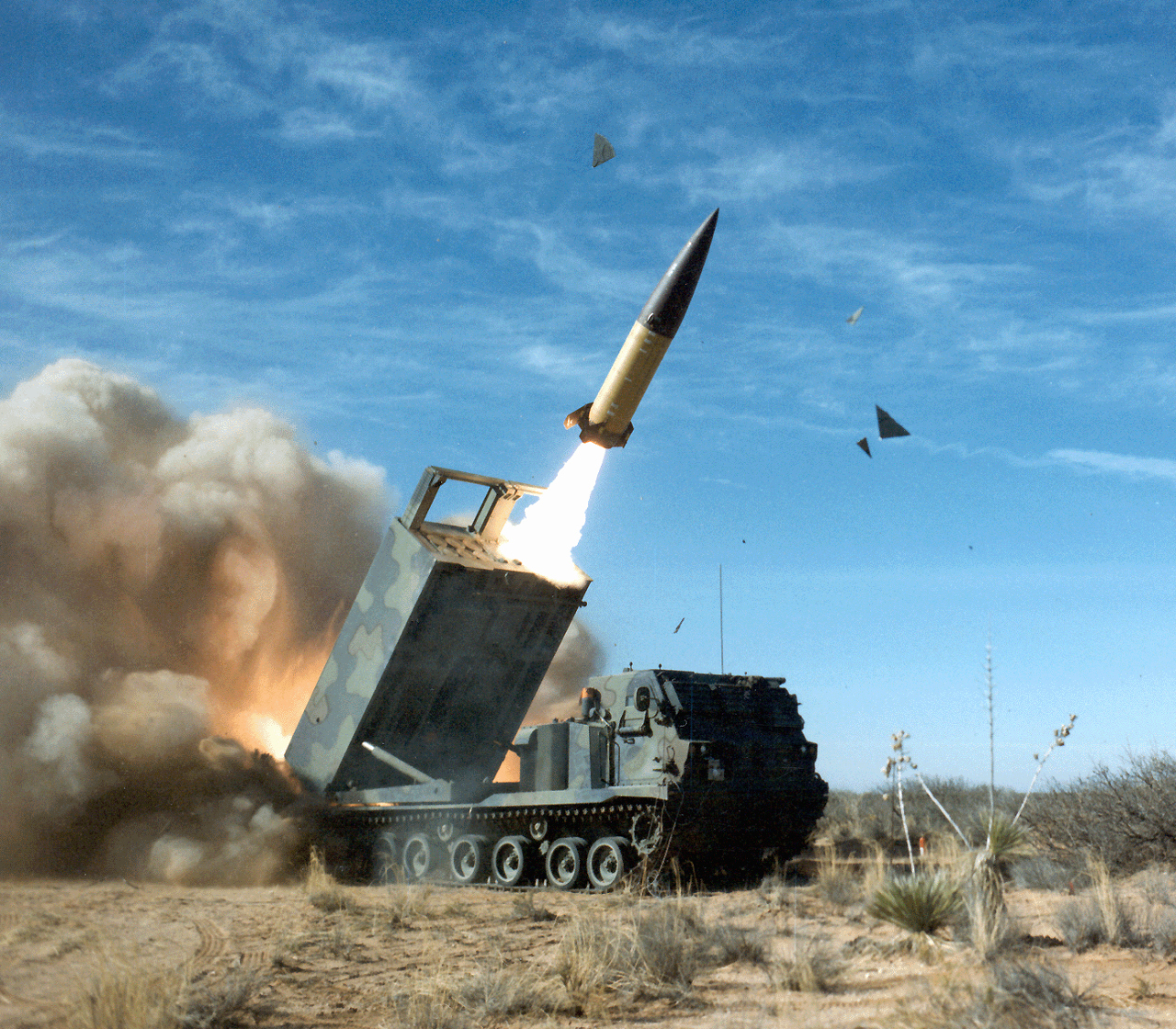
 ANALYSIS
German Chancellor Friedrich Merz said yesterday that Western countries – Germany, France, Britain and the United States – have lifted all restrictions on the range of strikes on Russian territory with weapons provided by them.
“There are no longer any restrictions on the range of weapons handed over to Ukraine – neither from the UK and France, nor from our side. There are no restrictions from the United States either… Ukraine can now defend itself, for example, by attacking military positions in Russia,”
– mertz said.
It sounds like a breakthrough, especially in the headlines, but it is worth clarifying the details: what exactly was allowed and what capabilities does Ukraine have. Especially given Mertz’s later clarification that these restrictions had been lifted
“a long time ago… several months or years ago.”
Neither in the last few years nor in the last few months has Ukraine hit Russia with precision long-range weapons. So "Komersant Ukrainian" tried to figure out how many long-range Western weapons we actually have that we can now use to shoot at Russia as deep as possible. We emphasize that we used only open sources.
Читайте нас у Telegram: головні новини коротко
The reality of “unlimited” capabilities
American ATACMS: depleted stocks
Range: ~300 km.
Total delivered: 40-50 missiles.
Used: about 31 missiles by the end of 2024.
Remaining: 0 missiles as of January 2025.
The United States was indeed the first to authorize strikes against Russia when President Biden authorized the use of ATACMS in November 2024. The first strike on a Russian warehouse in the Bryansk region on November 19 was indeed historic.
According to The Kyiv Independent in December 2024, at the time of authorization for ATACMS deep strikes, Ukraine had about 50 such missiles. In March, the publication already wrote that Ukraine had received less than 40 of them in total, and by January 2025, the stocks were completely exhausted.
British Storm Shadow: tens versus thousands
Range: ~250 km.
Total allied stockpile: ~1600 missiles (Britain, France, and Italy together).
Transferred to Ukraine: the exact number is classified.
The UK has been a pioneer in providing long-range cruise missiles, but the number of Storm Shadow missiles transferred remains a secret. According to Defense Express, the total stockpile of allies is about 1,600 Storm Shadow/SCALP missiles, but only a small portion of them has been transferred to Ukraine. According to indirect estimates, it is mostly dozens of missiles – against the background of the total stockpile, this looks more than modest.
However, Military Watch wrote about the total number of 150 Storm Shadow and SCALP-EG missiles that were sent to Ukraine just before the authorization for deep strikes was granted in November last year. It was implied that there had been deliveries before that as well. It is therefore likely that the number of such missiles (including French SCALP-EG) supplied to Ukraine is close to two hundred.
There is no data on the use and remaining stock of these missiles, except for reports from the Russian Ministry of Defense, according to which Ukraine fired 14 Storm Shadow missiles at Russian targets in November-December 2024.
French SCALP-EG: also few in number
Range: ~250 km.
Delivered: about 50-60 missiles.
First batch: 40 missiles in July 2023.
Additional deliveries: 10 missiles in November 2024.
France has provided the Ukrainian Air Force with about 50-60 SCALP-EG missiles, the French equivalent of the Storm Shadow. According to Army Recognition, the first batch of 40 missiles was delivered in July 2023, followed by additional deliveries of 10-12 missiles in November 2024. This is a significant number, but we are still talking about dozens, not hundreds or thousands of missiles.
German Taurus: 0
Range: over 500 km.
Delivered to Ukraine: 0 missiles.
Planned: no specific commitments.
The German chancellor’s statements about lifting restrictions on long-range strikes look especially ridiculous given that Germany has not supplied Ukraine with a single long-range Taurus missile. Moreover, after Merz’s statements, Vice Chancellor Lars Klingbeil said that the new government had not made any decisions to transfer these missiles to Ukraine. Previously, the deliveries were hindered by the policy of former Chancellor Olaf Scholz, who categorically refused to provide these missiles because of fears of escalation with Russia. What is holding them back now is unknown.
In other words, Germany has solemnly lifted restrictions on the use of weapons that it does not plan to transfer.
Together
If we are being optimistic, we should take into account the figure of 150 Storm Shadow/SCALP-EGs delivered in November 2024, as reported by Military Watch. In this case, Ukraine has received a total of up to 300 long-range missiles from partners. It is more likely that the number is much smaller, as this figure is not confirmed by any other sources.
It is more likely that Ukraine received 50-60 SCALP-EGs, 40-50 ATACMS, and about the same number of Storm Shadow missiles. However, it is worth noting that the data on the latter seems to be the least certain, so there may be surprises.
ATACMS are over, Taurus has not been sent, so the “lifting of all restrictions” refers to Storm Shadow and SCALP-EG. At best, their number can reach 200, at worst, less than a hundred. Russia sends a comparable number of missiles every month, and this has not yet paralyzed either the Armed Forces or the Ukrainian industry and economy. So it’s hard to expect tangible results from Ukraine’s retaliatory deep strikes.
What does this mean in practice?
With the confirmed stockpiles, Ukraine can hit several dozen strategically important targets in Russia’s rear (not too deep, up to 250 kilometers). Each strike on an ammunition depot or command post will have a very unpleasant effect for the Russians, and Russia will be forced to disperse its stockpiles and strengthen its air defense.
But the reality is quite harsh: the current stockpiles will not last long. Russia can easily adapt to such a limited threat, and the losses it suffers are unlikely to have a decisive impact on the combat capability of the Russian army and the stability of the economy. We can see that the consequences of Ukraine’s use of about fifty ATACMS are not too obvious.
So, the “unlimited possibilities” turn out to be extremely limited.
However, the news of the lifting of restrictions on deep strikes is definitely positive. This decision will work well in conjunction with large-scale and regular supplies of long-range weapons. So far, there is no talk of this. At least not officially and openly.
Читайте нас у Telegram: головні новини коротко