“The capital will not be left without heat”: an expert explains why it is unlikely that Kyiv’s CHP plants will be shut down
5 November 2025 21:33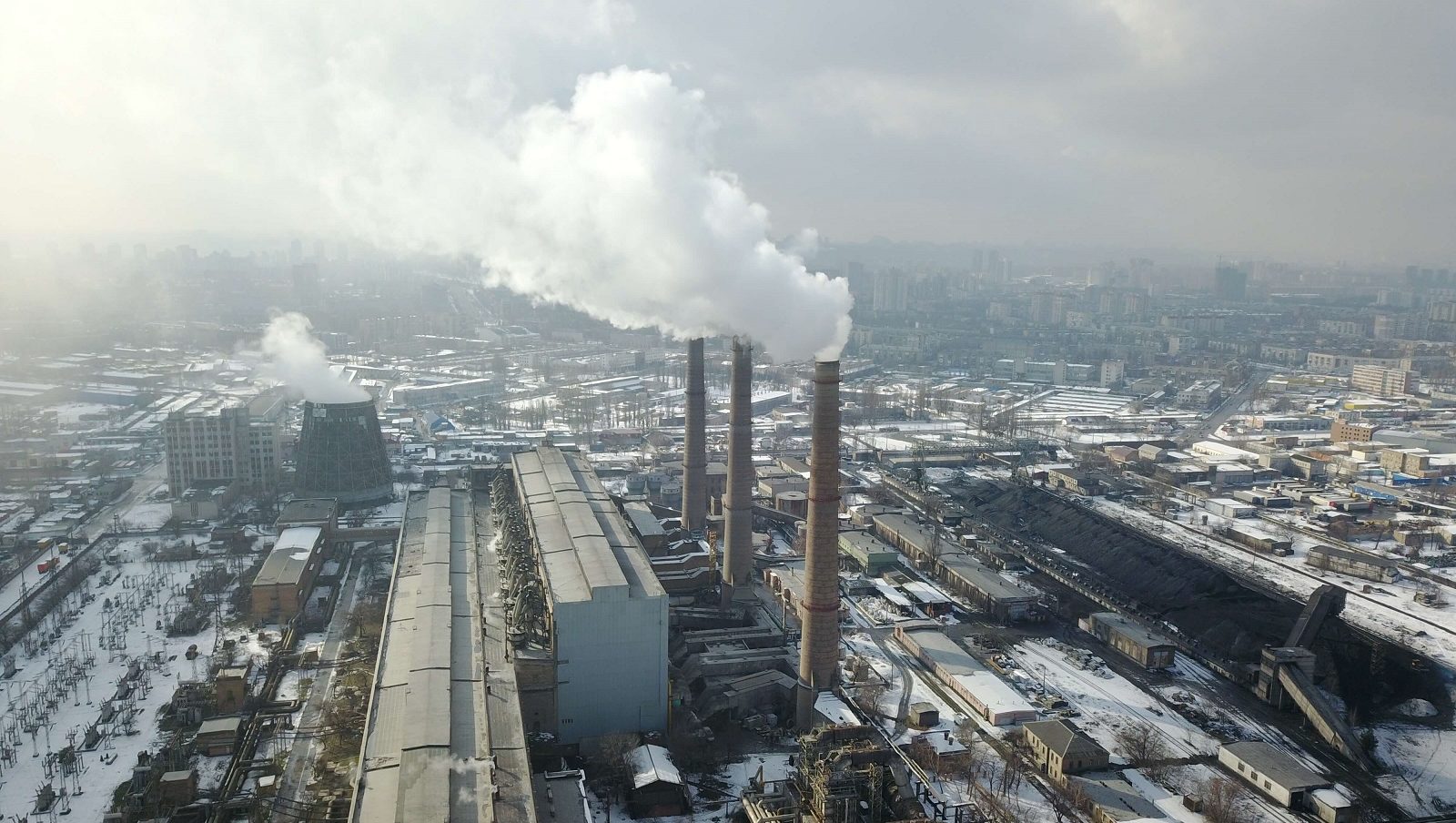 EXCLUSIVE
Oleksandr Kharchenko, director of the Energy Research Center, denied rumors about the alleged threat of a complete heat cutoff in Kyiv in the winter. In a commentary to "Komersant Ukrainian", he emphasized that his quotes, which were disseminated by the media and Telegram channels on November 5, were taken out of a deeper context.
I am talking about the following thesis:
Kyiv will need to start evacuating the population if all thermal power plants in the city stop working and do not resume their work within three days at temperatures of -10°C or below.
The expert touched upon the problem of heat supply and attacks by the Russian Armed Forces on Ukraine’s critical infrastructure during the press conference “Autumn and Winter: Can We Count on Heat and Light in Our Homes?”
In an exclusive commentary to  journalists, Oleksandr Kharchenko explained:
“We were talking about an absolutely theoretical question: what will happen if Kyiv’s thermal power plants do not work at (the temperature – ed.) minus 10 degrees. I do not believe in the possibility of a situation where they will be inoperable under any conditions.
According to Kharchenko, the heat and power infrastructure has a significant difference from the electric one. Even after damage, it can be restored much faster.
“I cannot imagine how the enemy can leave us without heat. It is almost impossible,” the expert emphasized.
“A hypothetical question, not a realistic forecast”
Kharchenko emphasized that his words referred to a purely hypothetical scenario.
“I was asked what would happen if?” I answered what would happen if. And I immediately added that this will most likely not happen under any circumstances. Not only in Kyiv, but also in most Ukrainian cities.
At the same time, the expert emphasized that even an optimistic forecast for the resilience of the Ukrainian energy system does not relieve local authorities of responsibility. Therefore, each city must prepare its heating systems for possible risks: strengthen protection, plan emergency repairs, prepare reserves and algorithms for action in case of damage.
Winter 2026: Are local authorities preparing for new challenges?
The energy expert noted that the preparations for the 2025-2026 heating season are at a fairly high level, although not without problems.
The preparations are not perfect, but they are generally good. In most cities with centralized heat supply – and we have 24 of them, with a population of more than 200 thousand – local authorities have been actively preparing for the winter,” Kharchenko said.
The director of the Center for Energy Research gave examples of cities that, in his words, “worked exemplary.” These are:
- Kharkiv, where, despite regular shelling, the authorities conducted large-scale preparation of networks and generation sources;
- Odesa, which has strengthened energy reserves and updated critical sections of heating networks;
- Kyiv, where the system is being modernized and new facilities with a higher level of protection are being built.
Even where I do not have specific data, I am sure that everyone understands the danger. And if you don’t prepare, there will definitely be problems. But the readiness is quite high,” Kharchenko summarized.
Context: what Oleksandr Kharchenko talked about during the press conference
The expert emphasized that the enemy is intensifying attacks on Ukraine’s heating infrastructure, which significantly increases the risks to the stable operation of heating systems and creates large-scale threats to the lives and health of citizens.
In this context, local authorities should pay maximum attention to preparing for such challenges, in particular by developing a detailed and realistic plan to provide the population with heat in case of emergencies.
In particular, Oleksandr Kharchenko drew attention to the seriousness of the situation in case of damage to the main thermal power plants (TPPs) in Kyiv in subzero temperatures. Mr. Kharchenko explained that if the heat supply cannot be restored within three days, urgent emergency measures will be required. These include promptly draining water from the heating systems of buildings to avoid pipe damage, as well as organizing the evacuation of residents from particularly dangerous areas. He emphasized that if the system at CHPP-5 or CHPP-6 stops functioning and its quick launch is not possible, it will potentially cause a man-made disaster on a regional scale.
Despite the fact that the situation with gas supplies remains stable today – the amount of gas in storage facilities is sufficient and reserves are constantly being replenished – the biggest threat is targeted attacks on the heating infrastructure. The expert emphasized that cities that rely on district heating should develop backup solutions without delay. This will ensure at least the minimum required level of heating even in critical conditions.
Mr. Kharchenko emphasized the importance of clearly structured action plans for each neighborhood and even individual buildings in case of serious disruptions in the heating system. In particular, he drew attention to the need for prompt response and emergency measures to switch heating systems. Such actions are aimed at ensuring minimal heating in buildings to prevent them from freezing even in the absence of a central heat exchanger.
The expert recommended that local authorities expand the use of mobile boiler houses as a backup energy source. To put them to work as quickly as possible, special connection points should be equipped in each district. This will help ensure a stable supply of heat in a short time in case of emergency.
In addition, Kharchenko touched upon the issue of protecting the heating systems themselves. In the event of an emergency, it is necessary to have a mechanism to quickly drain water from building heating systems. This will prevent damage to pipes due to freezing water in them. He noted that launching an empty system is much easier and less costly than repairing already damaged equipment.
As a result, the expert called on local authorities to make it a top priority to create and implement specific action plans aimed at preventing emergencies due to attacks on heating infrastructure.
Watch us on YouTube: important topics – without censorship
It is worth noting that the issue of security of the capital’s thermal power plants has become a subject of debate after the Kyiv City State Administration denied reports of an alleged lack of protection at energy facilities. The city administration emphasized that all Kyiv’s thermal power plants are equipped with the necessary first-level defense systems in accordance with the requirements of the General Staff, and the dissemination of details about the level of fortification is classified as restricted information.
Read us on Telegram: important topics – without censorship