Poor countries will receive $300 billion annually for climate adaptation: criticism of the agreement is growing
25 November 2024 09:13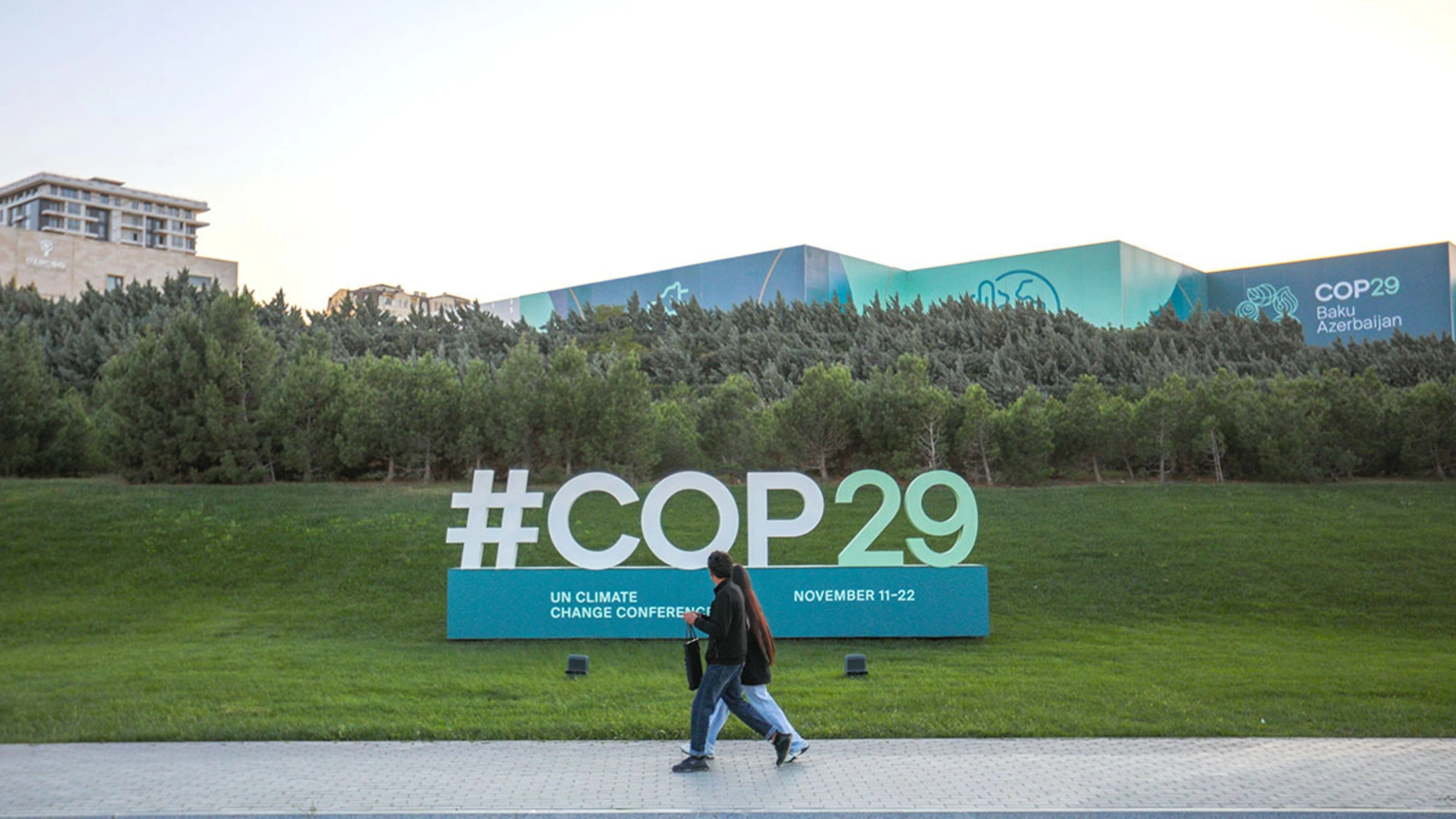
At the UN climate conference COP29, which ended in Baku, Azerbaijan, a new climate agreement was adopted after long and intense negotiations. According to the agreement, rich countries pledged to provide $300 billion annually until 2035 to support poorer countries in overcoming the consequences of the climate crisis and transition to clean energy, reports "Komersant Ukrainian" citing CNN.
The negotiations lasted more than two weeks and were marked by numerous conflicts, boycotts and disputes. On Saturday, the delegations of small island states and least developed countries even walked out of the discussions, jeopardizing the summit. However, agreements were reached.
According to them, $300 billion will be provided annually by rich countries to poorer ones through a combination of public and private financing. At the same time, the agreement envisages a larger ambition to increase funding to $1.3 trillion. However, poorer countries have been demanding a larger share of non-repayable aid in the form of grants, fearing that loans will only increase their debt burden.
Some states, such as India, openly criticized the amount approved. India’s representative, Chandni Raina, called the agreement an “optical illusion” that “in no way matches the scale of the challenges.” Marshall Islands representative Tina Stege noted that the decision does not meet the real needs of climate vulnerable countries.
The summit also discussed the contributions of richer countries such as China and Saudi Arabia. However, they are only “encouraged” to provide voluntary funding, without legal obligations.
Follow us on Telegram: the main news in a nutshell
At the same time, a number of oil-exporting countries, including Saudi Arabia, openly opposed the mention of coal, oil or gas in the agreement, which drew criticism from the public and academics.
“This is another shadowy, oil-soaked COP,”
– commented climate scientist Frederique Otto.
Despite the agreement, many consider it insufficient. Some experts emphasize that the current commitments do not match the scale of climate challenges that are already affecting all countries of the world.
“We must continue the fight by demanding a significant increase in funding and holding developed countries accountable,”
– said Garjit Singh of the Fossil Fuel Treaty initiative.
At the same time, there are experts who claim that there is no evidence that climate change is caused by human activity. Moreover, this opinion will soon be officially shared by the United States. It is known that US President-elect Donald Trump plans to withdraw from the Paris Climate Agreement. He has already nominated a businessman who does not recognize the climate crisis to be the Minister of Energy.
Follow us on Telegram: the main news in a nutshell