Marine pollution discovered near Odessa’s beaches: what we know
18 March 21:14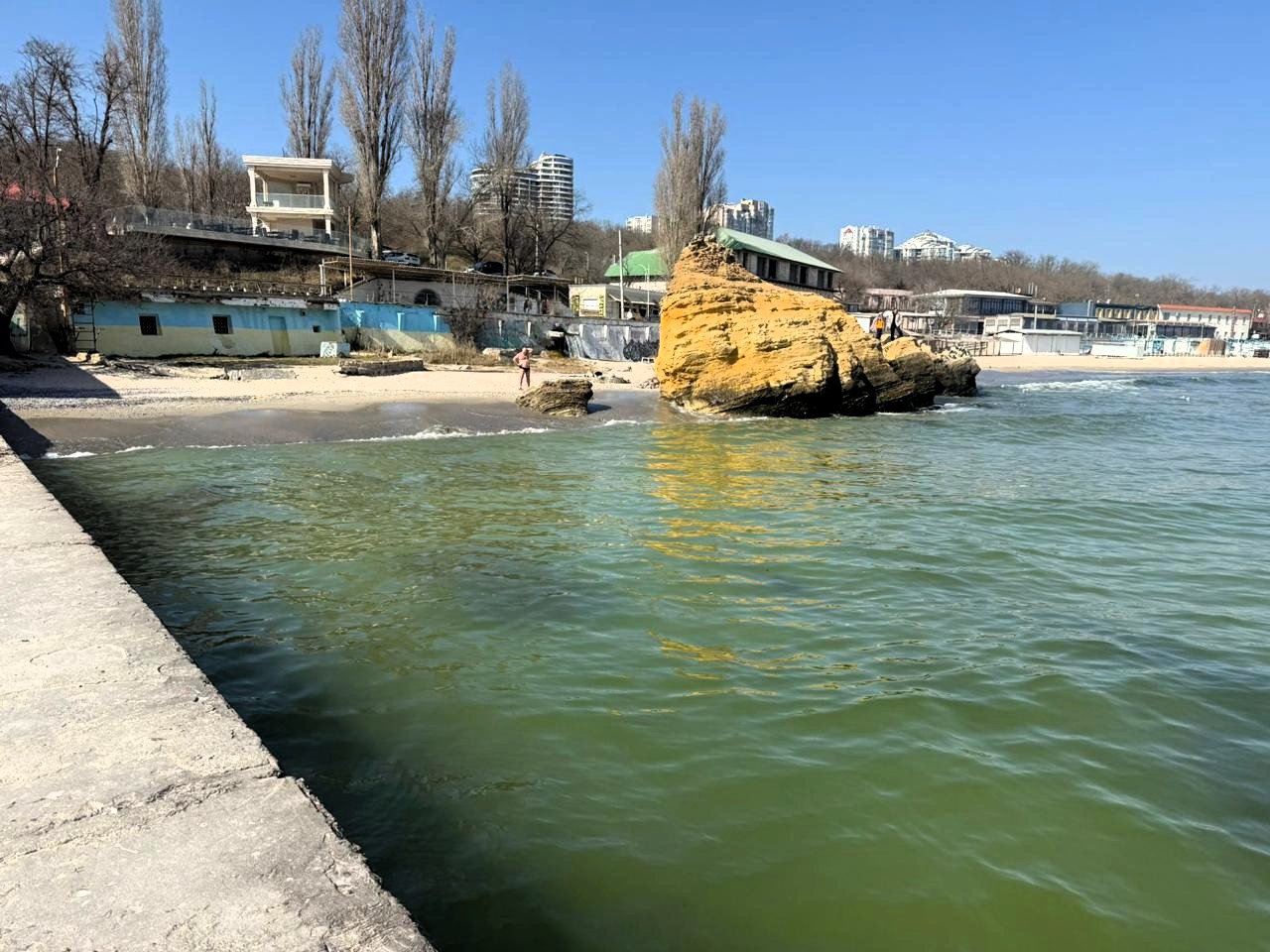
Water pollution has been detected in the Black Sea near Odessa.
This was reported by the State Environmental Inspection of the Southwestern District, according to "Komersant Ukrainian".
Environmentalists discovered yellow and yellow-gray spots on the water’s surface that have a characteristic sunflower oil odor.
Where exactly were the spots found?
The pollution was detected near popular city beaches:
- Vidrada Beach
- Langeron Beach
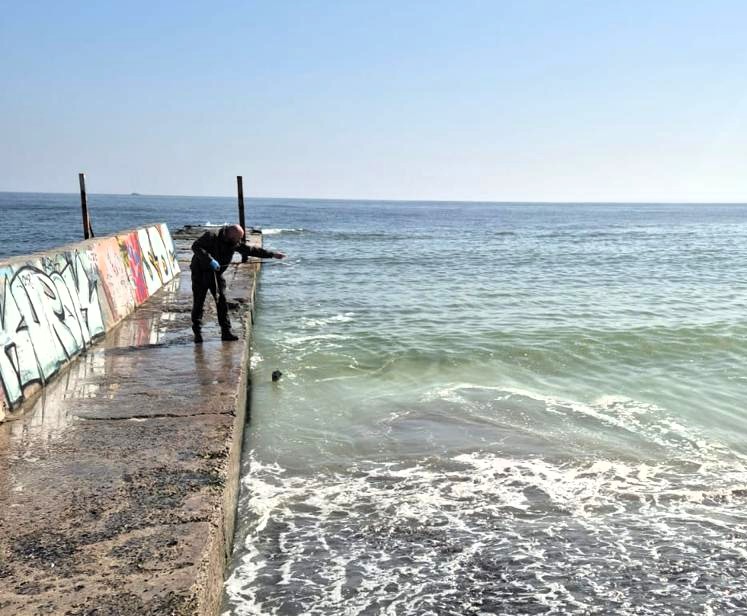
Experts collected seawater samples for laboratory analysis.
According to the test results, the concentration of fats and oils in the water was 49.8 mg/dm³.
Probable cause of pollution
The environmental inspection agency suspects that the pollution may be linked to a Russian attack on the region’s port infrastructure.
This refers to the missile strike that Russia launched on December 20, 2025, against port facilities in the Odesa region.
During the shelling, oil tanks at the Port Pivdennyi were damaged.
According to preliminary data, significant amounts of oil may have entered the Adzhalytskyi Estuary and from there into part of the Black Sea.
What environmentalists are doing
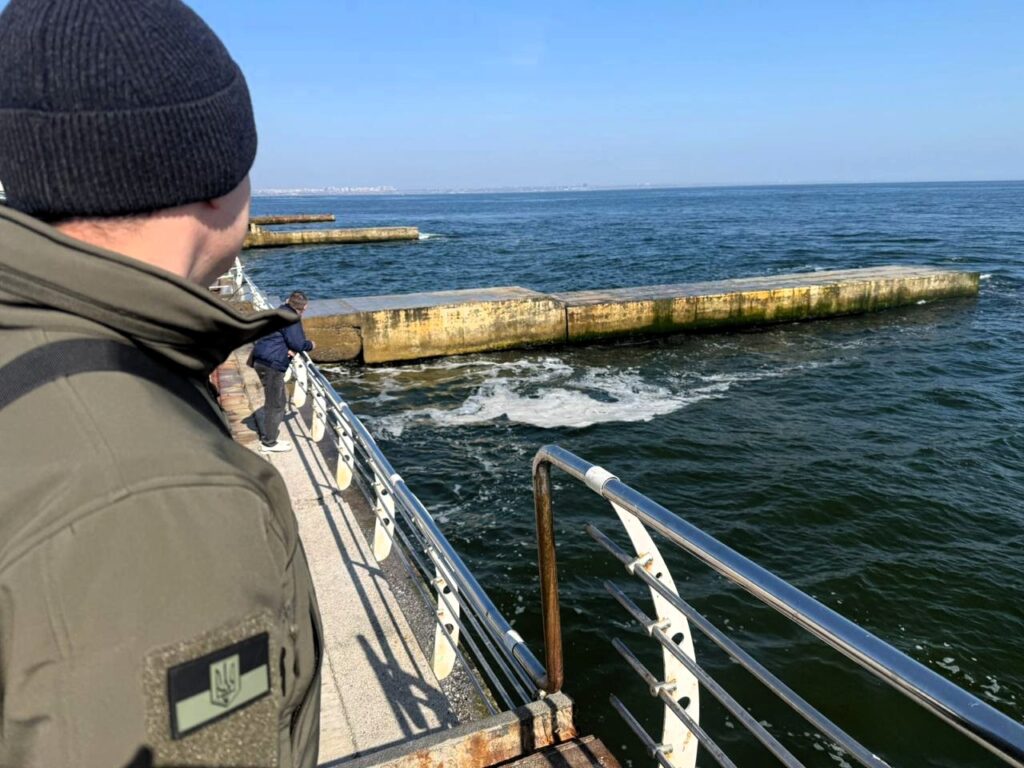
The State Environmental Inspection of the Southwestern District reported that it has already begun responding to the incident.
“The Inspectorate has taken the necessary response measures and informed the relevant services to organize cleanup efforts. Monitoring of seawater conditions is ongoing,” the agency noted.
Consequences of the December attack
On the night of December 19–20, Russia launched a ballistic missile strike on port infrastructure in the Odesa region.
As a result of the attack:
- 8 people were killed
- 32 more people were injured.
The shelling also damaged the port complex’s infrastructure and vegetable oil storage tanks.
Other water-related issues — the situation on the Dniester
Similar environmental incidents have recently been reported in other bodies of water.
On March 12, patches of industrial lubricants were spotted in the Dniester River.
A greasy film with a characteristic “rainbow” effect appeared on the water’s surface.
A Russian attack near the Dniester Hydroelectric Power Plant in the Chernivtsi region is also cited as a likely cause.
Moldova’s reaction
The pollution of the Dniester has caused concern beyond Ukraine’s borders.
The Moldovan government declared an environmental emergency in the Dniester basin.
This allows the authorities to:
- mobilize additional resources
- restrict water use
- bring in experts from the European Union to address the consequences.
The Dniester is an important source of water supply for both Odessa and Chisinau, so pollution of the river could have significant environmental and social consequences.