Holidays when not celebrated: is joy possible in times of war?

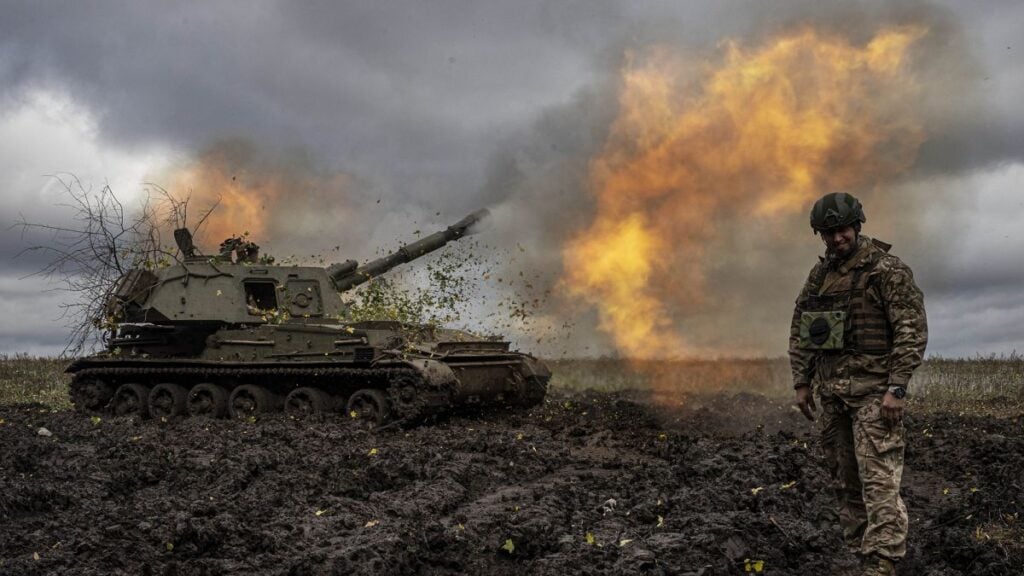
Holidays in times of war often come without a sense of celebration. The calendar reminds you that it is Christmas, a birthday or New Year, but inside you feel empty, anxious or difficult. For many people, this causes additional tension: as if something is wrong with them, as if they are experiencing life “wrong”.
In fact, this reaction is natural and psychologically understandable. It is often associated with the phenomenon of emotional numbness and the syndrome of postponed life, when a person pushes their own joys and needs to a “better time.”
War changes the basic sense of security, which is the foundation for experiencing joy. When the psyche is constantly in threat mode, it directs resources to survival rather than positive emotions. This is neither a choice nor a weakness, but the work of the nervous system. In such conditions, emotions can become dulled, and a feeling of detachment or inner silence appears where there used to be elation.
A separate place is occupied by the feeling of guilt for joy. It arises in many people, especially when there are losses or disappointing news. Joy begins to be perceived as something inappropriate or even treacherous. This can be called moral distress or “survivor’s guilt.” The problem arises when a person forbids himself or herself to have any positive experiences. Prolonged suppression of joy does not reduce compassion for others, but exhausts the person who lives with this prohibition.
It is important to remember that the psyche is capable of containing contradictory states at the same time. Sadness and gratitude, fear and warmth, grief and quiet joy can coexist. This is called emotional ambivalence and is a normal reaction to traumatic events.
A person can remember the war and at the same time allow themselves short moments of relief or light. Such moments are not a betrayal, they help to preserve inner integrity.
Holidays during war often change their form. They can become quieter, more modest, without loud attributes. For some people, a holiday is a warm tea or a call to a loved one, for others it is an opportunity to get together, to live symbolic rituals together as a way to feel in control. Both options are normal if they are not imposed from the outside and correspond to the internal state.
It is also important to understand that the ability to feel, including joy, can be developed and restored. To do this, it is important not to keep emotions inside, to give yourself permission to feel and talk about your feelings, and to find safe spaces to express your feelings. The support of loved ones, a conversation with a specialist, or just the opportunity to share your feelings help relieve internal tension and restore the ability to enjoy life.
Holidays during the war often become a litmus test of our inner state. They expose fatigue, fear, and loss, but at the same time show that there is still life in a person. If there is no celebration today, it does not mean that it will always be like this. If joy appears today, it is not a betrayal or frivolity. Psychological maturity is not about the right answer, but about the ability to honestly hear yourself and allow yourself to be alive in the form that is possible right now.
In wartime, a holiday ceases to be an obligation. It becomes a choice or a pause from choice. And this is perhaps the most important thing we should allow ourselves. Not to meet expectations, not to evaluate your feelings and not to keep them inside.