Bulgaria seizes control of Lukoil: the government has started a personnel “reset” of Russian assets
18 November 2025 18:05
The Bulgarian government’s decision to abruptly change Lukoil’s management was one of the most notable steps taken by the country after the US imposed sanctions on Russian energy companies. The Bulgarian state is actually switching to manual management of assets of Russian origin, trying to protect its own energy sector from secondary sanctions and potential supply disruptions. This was reported by Forbes Bulgaria, according to "Komersant Ukrainian".
What happened?
The Bulgarian government appointed Rumen Spetsov as a special commercial manager of Lukoil’s assets in the country. The first decision of the official was to dismiss Swiss Evgeny Manyakhin from the post of chairman of the board of the oil refining giant Lukoil Neftekhim Burgas.
Mr. Manyakhin retains his seat on the board, but no longer represents the company. The changes are to be entered in the Trade Register.
This decision is final and cannot be appealed due to recent amendments to Bulgarian legislation on control over the activities of companies related to petroleum products.
US sanctions against Lukoil and Rosneft
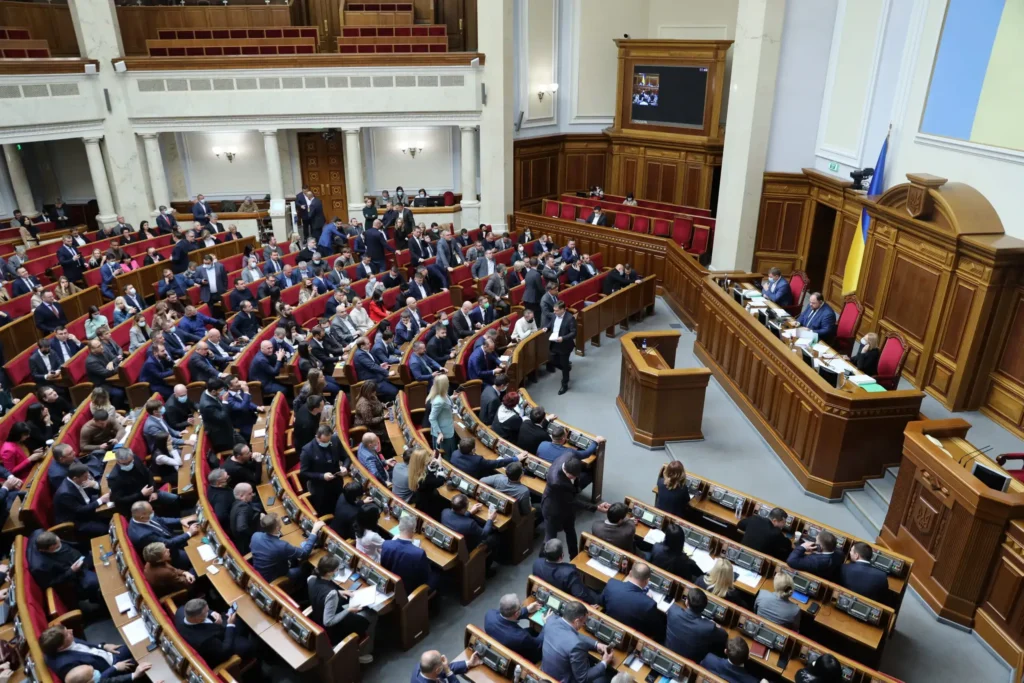
Spezov’s new powers became possible after the Bulgarian Parliament urgently adopted the amendments in two readings in one session. This happened immediately after the United States announced sanctions against Lukoil and Rosneft, which will come into effect on November 21.
A large package of Lukoil’s assets abroad, which the company was trying to sell urgently, was under threat. A potential buyer was the Swiss trader Gunvor, but Washington blocked the deal, calling the company dependent on Moscow. After that, investment funds and governments of individual countries began to study the assets for purchase, mostly at reduced prices.
How is Bulgaria reacting?
Bulgaria was one of the countries that received special licenses from the United States and the United Kingdom, an exception to the sanctions regime. This allows the country to negotiate the management of assets related to Lukoil at least until the spring of 2026.
Nevertheless, Bulgaria is simultaneously preparing legislative changes to establish full control over the Burgas oil refinery, which is critical for the domestic fuel market.
Further personnel changes in Lukoil’s structures may become systemic. No decisions have yet been made regarding the company’s other subsidiaries: a network of gas stations, a jet fuel producer, and tax warehouses. However, Spetsov has already been registered as the head of some of them, which indicates a gradual transfer of control.