Britain and the EU officially “reset” relations: for the first time since Brexit
19 May 2025 14:25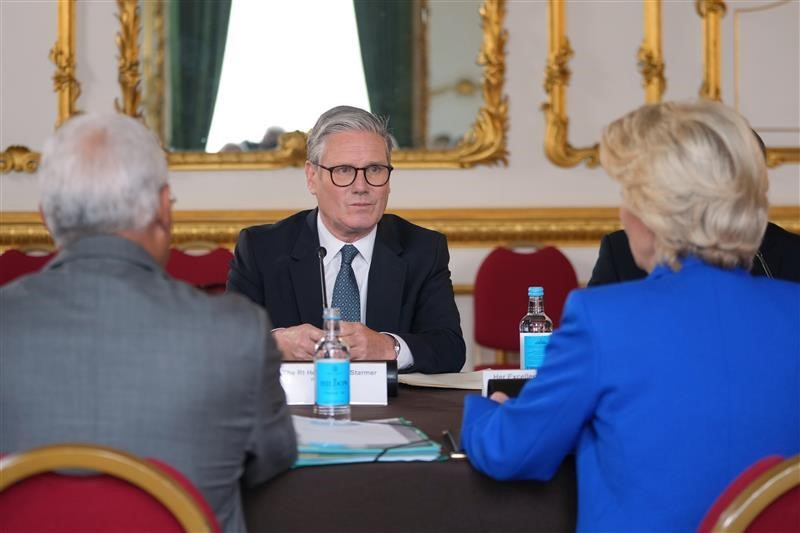
On Monday, May 19, a historic summit between the United Kingdom and the European Union took place in London. For the first time since Brexit, the parties reached an agreement on a large-scale “reset” of bilateral relations. This was reported by Sky News, "Komersant Ukrainian" reports.
British Prime Minister Keir Starmer emphasized the importance of this event:
“This is the first UK-EU summit and it marks a new era in our relationship… It is the result of hard work at all levels.”
According to Politico, the agreement covers several strategic areas at once:
- Defense and security – a new joint pact;
- Fisheries – extending the fishing rights of European vessels in British waters until 2038 (a significant concession by London, particularly under pressure from France);
- Cooperation in energy, agriculture, migration policy and climate;
- Mobility of citizens – another step towards rapprochement.
According to Starmer, the agreements reached “will bring real benefits to people” on both sides of the Channel.
The summit was a symbol of a new course after years of political tension caused by the UK’s exit from the EU. It is expected that such meetings will become regular and will mark the beginning of a more stable and productive relationship between London and Brussels.
Brexit is the process of the UK’s withdrawal from the European Union, which officially took place on January 31, 2020.
What preceded Brexit:
- In June 2016, a referendum was held in which the majority of Britons (51.9%) voted to leave the EU.
- The main arguments of the supporters of the exit:
- desire to regain control over borders and immigration policy;
- restore legislative independence;
- reduce contributions to the EU budget;
- to gain more control over their own trade.
- Opponents of Brexit believed that it would harm the economy, hit businesses, and restrict citizens’ freedoms.
Consequences of Brexit:
- The UK has left the EU’s common market and customs union.
- Trade barriers have emerged, especially between the UK and Ireland.
- Travel, employment, and education between the UK and EU countries became more difficult.
- Political tensions increased in Scotland and Northern Ireland, where the majority voted to remain in the EU.