The Burshtyn Thermal Power Plant has resumed operations, but not at full capacity.
9 February 15:20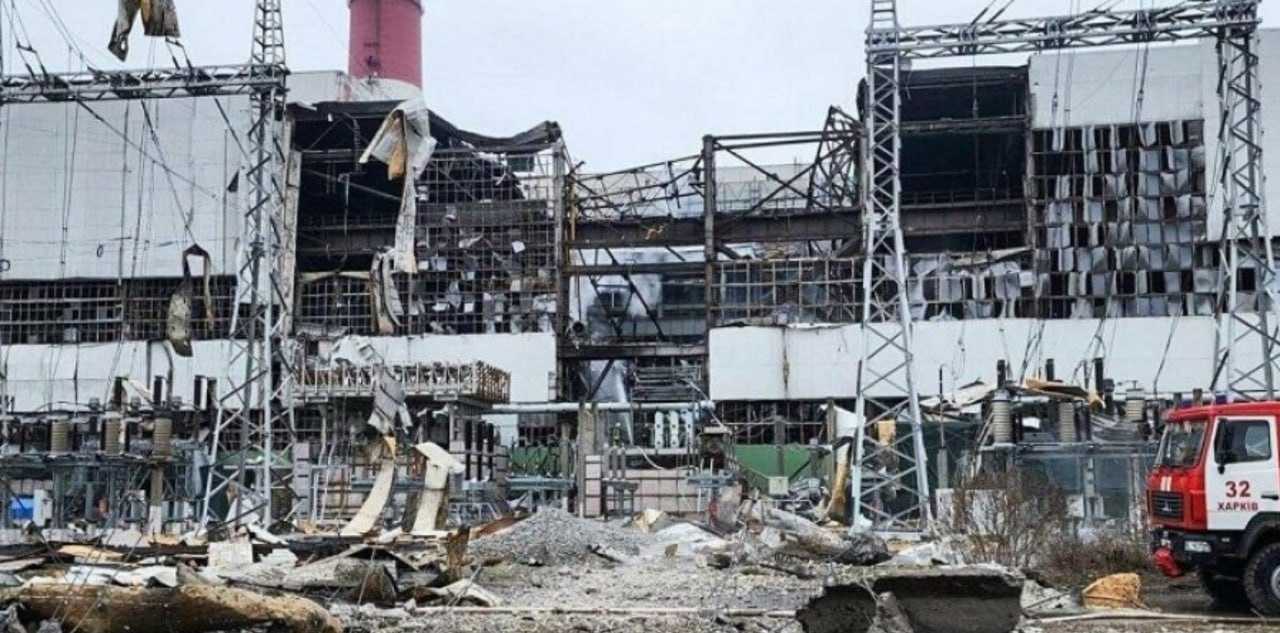
In the Burshtyn community in the Carpathian region, heat and water supply are being gradually restored after enemy shelling on the night of February 7.
This was reported on Facebook by Vasyl Andriyeshyn, mayor of the Burshtyn community, according to "Komersant Ukrainian".
“As a result of enemy shelling on Friday night, our heat generation company was damaged. As of today, heat supply, as well as cold and hot water supply, have been restored, but not yet in full. Currently, the pressure parameters in the system are already within normal limits, and the gradual restoration of the temperature regime is continuing,” Andrieshyn noted.
According to him, the temperature of the heat carrier was about 55 degrees in the morning. According to the mayor, it is planned to reach normal levels by the end of the day. However, he noted that educational institutions in the community are currently operating remotely.
Preschool institutions have organized duty groups, which are additionally heated with electric appliances. The local hospital is heated by a solid fuel boiler room.
The Burshtyn Thermal Power Plant stopped working after a massive attack by the Russian Federation on February 7. The city felt the consequences of the shelling almost immediately—heating disappeared in Burshtyn and water supply deteriorated sharply.
Residential buildings, hospitals, schools, kindergartens, and other social facilities were left without heat. The damage was critical: key components of the power plant, without which electricity production is impossible, were put out of action. This was not a local malfunction, but serious damage that will take time and complex repairs to fix.
The Burshtyn Thermal Power Plant is the backbone of the city’s infrastructure—centralized heating, the operation of water supply pumping stations, and the stability of power grids all depend on its operation. After the plant was shut down, the boiler rooms stopped working, and the pumping stations were left without sufficient power.