Due to Orbán’s stance, the loan for Kyiv remains blocked: does the EU have a “Plan B”?
20 March 12:14
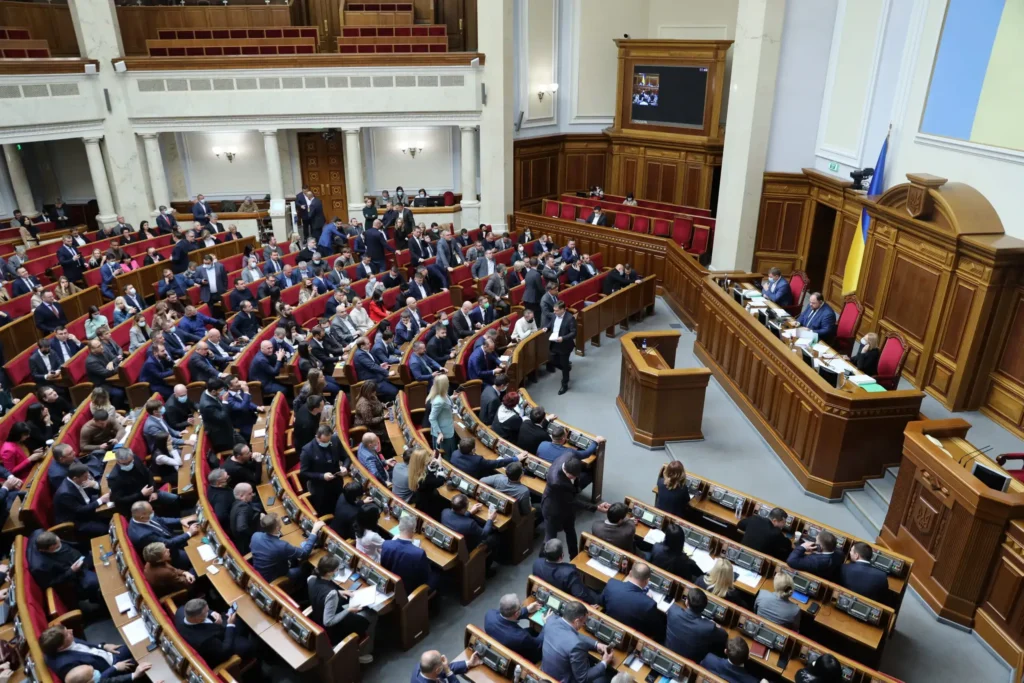
During the EU summit held in Brussels on Thursday, March 19, European leaders failed to persuade Hungarian Prime Minister Viktor Orbán to unblock a €90 billion loan for Ukraine. Orbán continues to insist that he will veto the EU loan for Ukraine and the 20th package of sanctions against Russia until Kyiv repairs the Druzhba oil pipeline, which, according to the Ukrainian side, was damaged as a result of Russian attacks, writes [Kommersant] citing DW.
The current summit of EU leaders was supposed to focus on competitiveness and the discussion of comprehensive measures that would promote EU economic growth. Instead, two developments disrupted this agenda: the war in Iran, which triggered a crisis in the European energy market, and Hungarian Prime Minister Viktor Orbán’s uncompromising stance on Ukraine. “Viktor wants to be the star of the show again,” diplomats joked grimly in the corridors of EU institutions on the eve of the summit. And it seems the Hungarian prime minister has indeed succeeded.
Credit for “Friendship”
The discussion on Ukraine lasted over an hour. Prior to the discussion, Ukrainian President Volodymyr Zelenskyy addressed the summit participants via video link. But none of this swayed Orbán’s position, and he continued to insist that Hungary’s lifting of its veto on the loan for Ukraine would depend on how quickly Kyiv restores Russian oil supplies via the Druzhba pipeline.
The decision to provide Ukraine with financial assistance in the form of a €90 billion loan for 2026–2027, funded by borrowing on the open markets and guaranteed by the EU budget, was adopted during the summit of European leaders in Brussels on December 18 of last year. The decision was supported by 24 of the 27 member states. Hungary, Slovakia, and the Czech Republic opposed participating in the loan but supported the decision itself.
The legislative package regarding the loan allocation has already passed all necessary votes in the European Parliament under an urgent procedure. And since political agreement had already been reached at the level of EU member state leaders, this decision only needed to be formally approved by the EU Council. Brussels rushed to complete all legal formalities so that Kyiv could receive the first tranche of the loan as early as April.
Orbán’s position is “unacceptable” and violates the principles of the EU Treaty
And it was precisely the fact that in December Viktor Orbán gave his political consent to the loan, but has now decided to block it, thereby undermining trust in the EU, that sparked outrage and rejection among EU officials and European leaders.
As a diplomat who attended the meeting on Ukraine told reporters on condition of anonymity, European Council President António Costa called Orbán’s behavior “unacceptable” because it violates the principle of good faith and sincere cooperation among member states, which is enshrined in the EU Treaty. Costa also emphasized that so far, none of the European leaders “has crossed this red line.”
At the same time, according to the source, the President of the European Council noted that “some of President Zelenskyy’s public comments about the Hungarian Prime Minister were unacceptable,” alluding to Zelenskyy’s remarks that if the EU loan were blocked, he would provide “that person’s address” to the Armed Forces of Ukraine. “Such an escalation does not serve the interests of either side,” Koshta emphasized.
The EU does not want to link the loan for Ukraine to the revival of “Druzhba”
Several European diplomats reported that during the drafting of the final declaration of the EU summit on Ukraine, Hungary and Slovakia insisted on including a clause in the text demanding the resumption of operations of the “Druzhba” oil pipeline. However, representatives of other EU countries opposed this, as the loan for Ukraine had already been approved and therefore did not require additional conditions or further discussion at the leadership level.
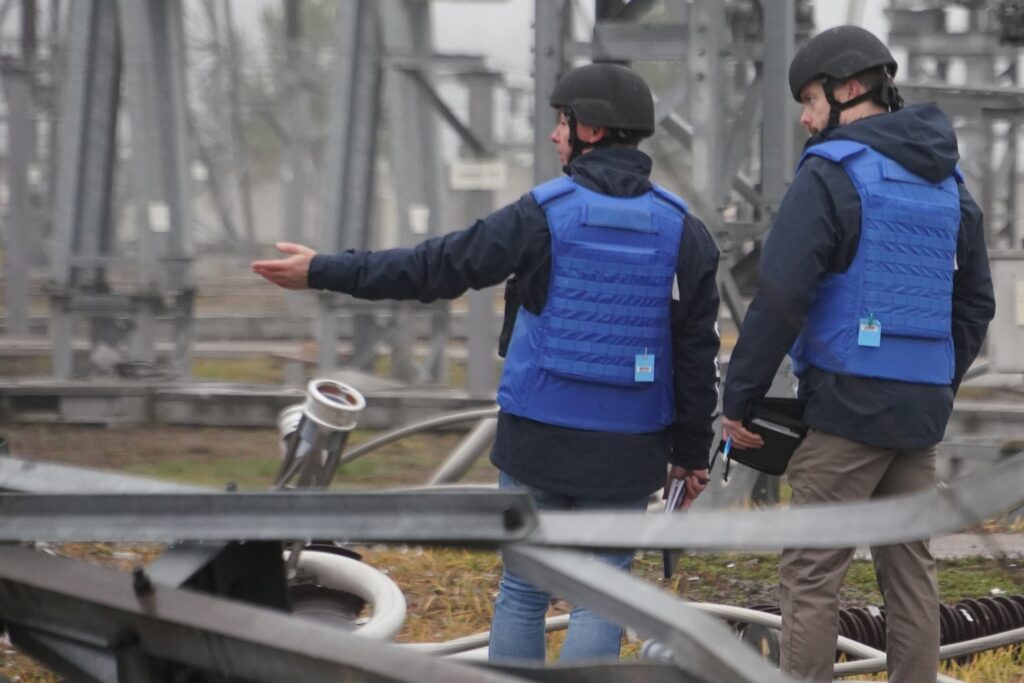
Despite this stance, a few days before the summit, the European Commission approved a decision to send a group of experts to Ukraine to assess the damage to Druzhba and allocate financial resources for the pipeline’s repair—a move that effectively appeared to be an attempt by Brussels to accommodate Viktor Orbán and lift the veto on the loan for Ukraine.
However, the Hungarian prime minister did not appreciate this move. “Hungary’s position is very simple. We are ready to support Ukraine once we receive our oil, which they have blocked,” Orbán stated. And during the meeting itself, he accused his colleagues of allegedly caring more about Ukraine’s interests than Hungary’s, for which Russian oil is an “existential issue,” said a diplomat who was present at the meeting. Viktor Orbán also categorically rejected accusations that he was violating the loan agreement, arguing that in December, when the decision was made, the Druzhba pipeline was operational.
Does the EU have a “Plan B”?
In the summit’s conclusions regarding Ukraine, which Hungary and Slovakia refused to sign, it is stated that the European Council expects the first tranche of the loan to Ukraine to be disbursed by early April, as well as the “swift adoption of the 20th package of sanctions,” and once again emphasizes the importance of “further reducing Russia’s energy revenues and further restricting the Russian banking system.”
After discussing the Ukrainian issue, European leaders moved on to a discussion of the situation with energy prices in the EU, which have risen due to the situation in the Middle East. The summit is expected to continue into the late evening, but European leaders will not return to the discussion of a loan for Ukraine, and it is not yet clear how the situation with the Hungarian veto will be resolved.
However, Belgian Prime Minister Bart De Wever told reporters before the summit began that the EU has a “Plan B” in case Viktor Orbán refuses to unblock funds for Ukraine, though he noted that discussing its details publicly would be “unwise.” However, according to DW sources, Brussels does not actually have a clear “Plan B.” The EU simply expects that after the April elections, the political situation in Hungary will change, and the veto on the loan for Ukraine and the 20th sanctions package will be lifted.