Prices are rising rapidly in the US due to Trump’s tariffs
30 July 2025 09:40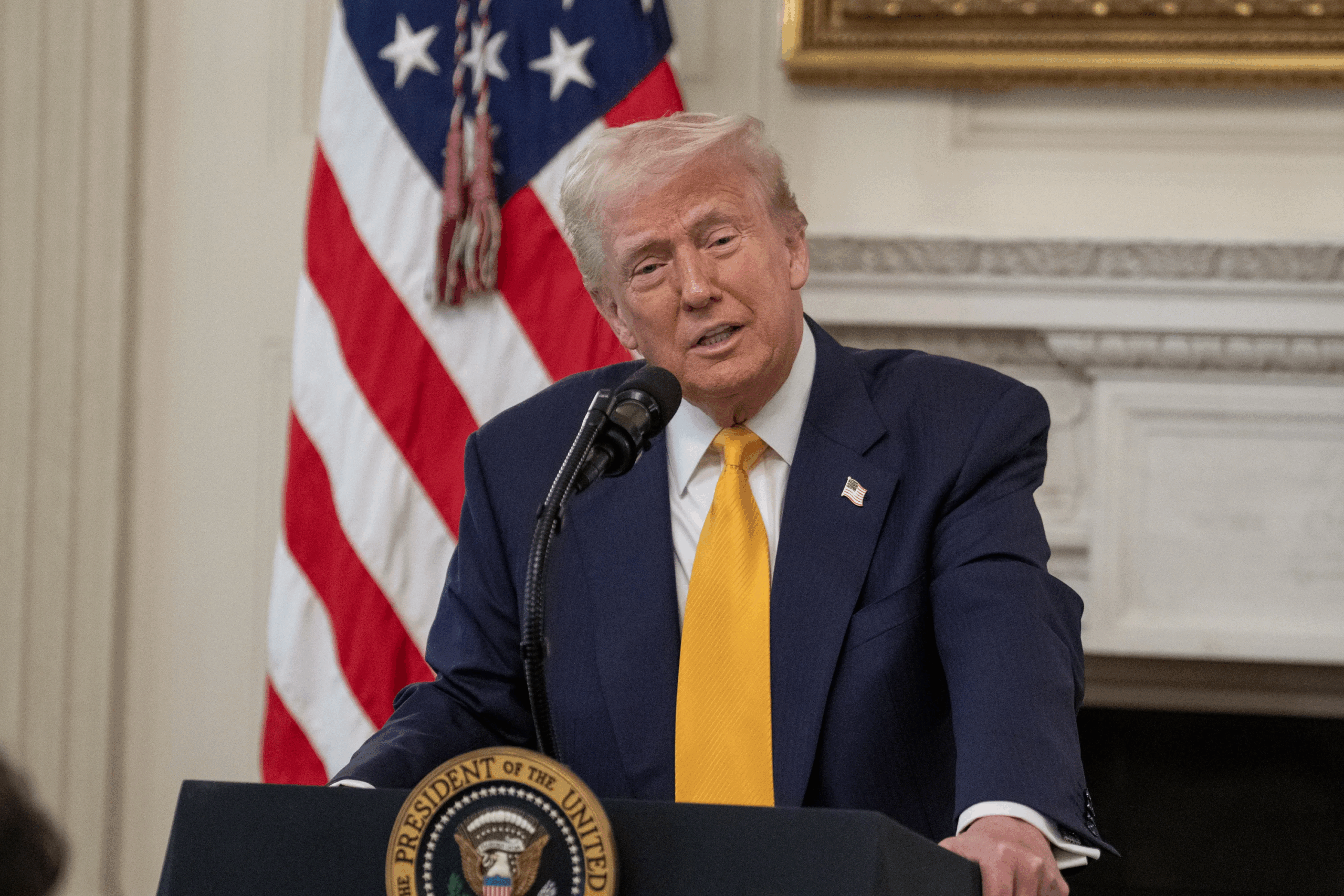
Large American corporations have begun to raise prices for everyday goods due to new trade duties imposed by the administration of US President Donald Trump. This is reported by "Komersant Ukrainian" with reference to Reuters.
Thus, the American consumer goods giant Procter & Gamble has announced an increase in prices for a quarter of its products in the United States, for example, Bounty paper towels and Tide laundry detergent. The company has notified major retailers, including Walmart, that it is forced to raise the cost of some products starting next week.
A P&G spokesperson said that prices will increase by an average of 5-7% across different product categories. This decision was a response to the new trade duties, which have significantly increased the company’s costs for imported goods and raw materials.
The problem affected not only P&G. Experts warn that large retailers such as Walmart, Amazon, and Best Buy will be forced to pass on additional costs to end consumers.
“Ordinary Americans have not yet felt the full impact of the increased tariffs, but they will become even greater,”
– said Bill George, former CEO of Medtronic and a lecturer at Harvard Business School.
Swiss watchmaker Swatch has already raised prices by 5% since the tariffs were announced in April. CEO Nick Hayek noted that this did not affect sales, as buyers of expensive watches are less sensitive to price changes.
However, American consumers are already tired of rising prices after the pandemic and are increasingly abandoning expensive branded goods in favor of cheaper alternatives.
Some companies managed to import additional goods and raw materials to the United States before the introduction of tariffs, which allowed them to postpone price increases. Economists believe that Americans will feel the real impact on inflation in the fourth quarter of this year or early next year.
Читайте нас у Telegram: головні новини коротко
Stock market reaction
The stock market reacted negatively to Trump’s trade policy. Since the announcement of the tariff policy on April 2, P&G shares have fallen by 19%, Nestle by 20%, and Kimberly-Clark has lost 11% of its value. At the same time, the S&P 500 index rose by more than 13% during this period.
According to Reuters, companies expect a total loss of $7.1 to $8.3 billion for the year due to the new trade duties. Automakers General Motors and Ford have so far absorbed additional costs that reach billions of dollars.
Trump’s tariffs
In the second half of 2025, the Donald Trump administration introduced a large-scale tariff program aimed at imports from most countries. The basic rate of the “universal tariff” was 10% and came into effect on April 5 (“Liberation Day”), and by mid-summer the average effective rate reached about 15-16%, the highest level in more than a century.
In addition to the universal tariff, special measures were introduced: a 25% tariff on imports from Canada and Mexico (with exemptions for goods under the USMCA), and increased rates on goods from China, which reached 145% before the conclusion of a temporary agreement, when the level dropped to 30% on the US side and 10% on the Chinese side.
Further tariff increases are scheduled for August 1, 2025. For a number of countries that have not concluded bilateral agreements, the rates are 15-20%, and for Brazil – up to 50%, for Asian and less developed countries – from 25% to 40%. Letters with specific tariff decisions have already been sent to Japan, South Korea, Thailand, Cambodia, Bangladesh, Brazil, Canada, and Mexico by August 1.
Negotiations have been intensified: the EU, Japan, the UK, Indonesia, and Vietnam have signed or agreed on agreements that avoided the harshest tariffs (for example, the EU agreed on a 15% tariff, and Japan on a 15% tariff instead of the 25% threat). Negotiations with China are underway in Stockholm in anticipation of the Trump-Xi Jinping summit; officials have so far refrained from reducing the current 30% tariffs imposed by the US and 10% by China.
International institutions, including the IMF, warn of risks: massive tariffs contribute to global inflation, slow down aggregate economic growth, and create uncertainty for market players. At the same time, the U.S. government predicts that tariffs could bring in up to $1 trillion in budget revenues, partly to support the middle class and stimulate domestic production.
Читайте нас у Telegram: головні новини коротко