Will electricity and heating tariffs increase: what is known about the new laws
12 February 14:45
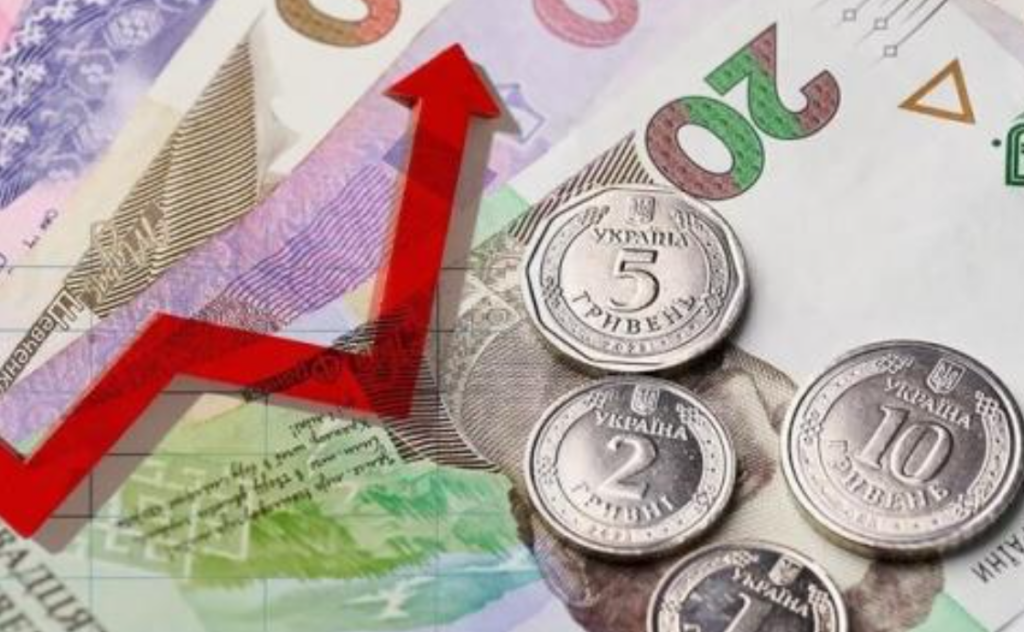
Discussions about possible increases in electricity, heating, and water tariffs have intensified in Ukraine. This was triggered by statements from politicians, new draft laws in the Verkhovna Rada, and the difficult situation in the energy sector following massive attacks by Russia. At the same time, the government and the Ministry of Energy assure that the current moratorium on tariff increases for the population remains in force and that no decisions on their revision have been made at this time.
Bill No. 13219 sparked political controversy
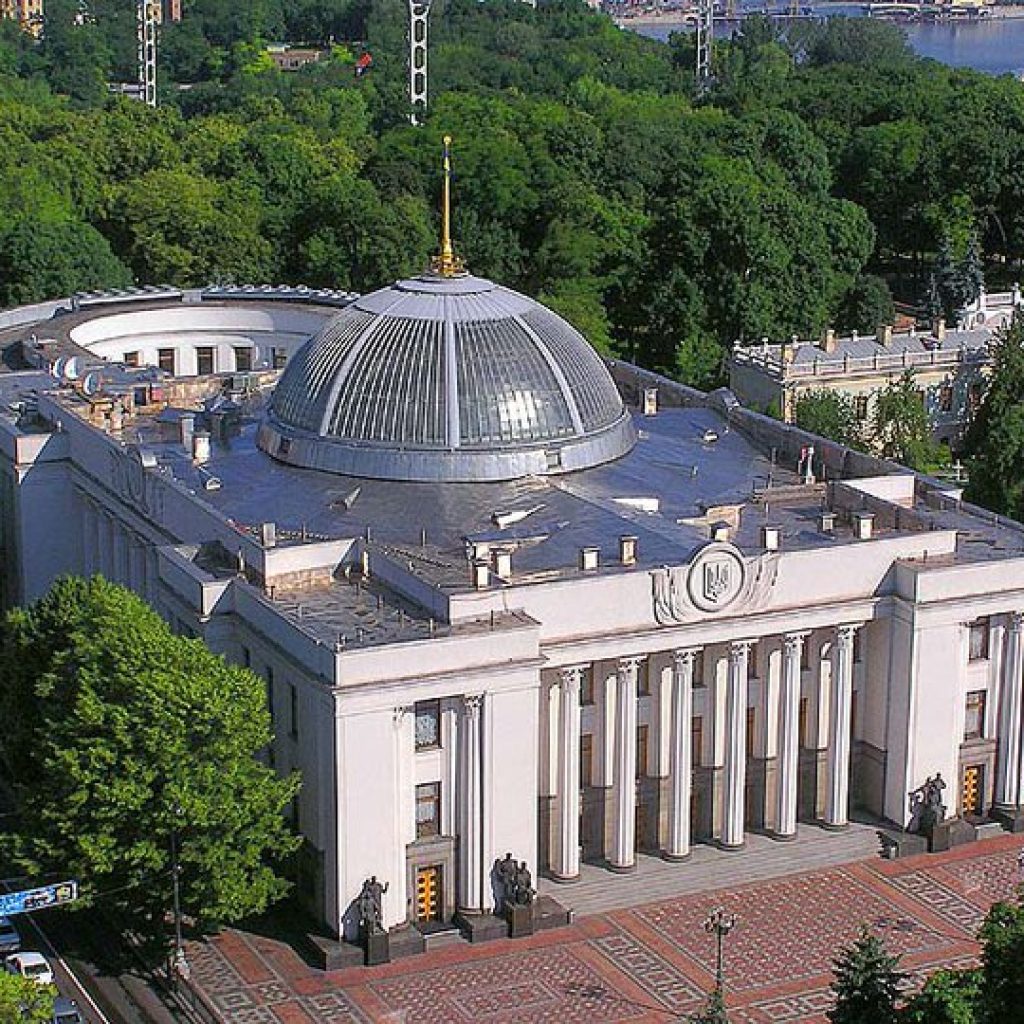
On February 10, on the first day of the 15th session of the Verkhovna Rada, MPs voted for two bills that would make ordinary Ukrainians and entrepreneurs pay for the government’s failures in the energy sector.
MP Andriy Pavlovsky said that bill No. 13219 imposes an obligation on Ukrainian citizens and entrepreneurs to pay an additional 37 billion hryvnia to private owners of solar and wind power monopolies by increasing electricity tariffs.
“In this peculiar way, the MPs ‘took care’ of the country, which is freezing. Parliamentary factions, with the exception of Batkivshchyna, unanimously supported the corrupt increase in electricity tariffs,” Pavlovsky wrote.
As for bill No. 14067, the people’s representatives also included provisions stipulating that the entire modernization of heating systems should be carried out not at the expense of reparations, but by increasing the tariff for heating for the people — this is the price Ukrainians will pay for the government’s experiments in this sector.
The Ministry of Energy denies the increase in tariffs
At the same time, the Center for Countering Disinformation stated that the information about the increase in tariffs for the population is not true.
As the Center noted in the Ministry of Energy, the moratorium on tariff increases for domestic consumers has been in effect since 2022. It will remain in effect throughout the period of martial law and for six months after its end. Tariffs for heat, hot water, and gas for the population are not currently being revised, and no decisions on their change have been made or are planned to be considered.
Separately, the Ministry of Energy commented on references to draft law No. 13219, which is publicly associated with a possible increase in tariffs.
The ministry noted that the document concerns the improvement of competitive conditions for electricity production from renewable sources and does not concern prices for domestic consumers.
Read us on Telegram: important topics – without censorship
A fixed tariff for the population is ensured through a mechanism of imposing special obligations on the state-owned companies Energoatom and Ukrhydroenergo. This mechanism is not related to support for green energy producers. Therefore, possible changes in the field of renewable generation will not affect electricity and heat tariffs.
The Center for Countering Disinformation emphasized that claims about the automatic transfer of debts to the population are manipulative.
Electricity, heating, and water tariffs may increase
Electricity, heating, and water tariffs may increase in Ukraine in the near future. This was reported in an exclusive comment
According to him, a series of government decisions, energy company debts, and new legislative changes are creating the conditions for a review of tariffs in the near future.
The expert stressed that Ukrainians are in fact being prepared for an increase in electricity prices, and the key factors are the financial problems of the energy sector and the need to restore infrastructure after massive attacks by Russia.
Ukrainians are being prepared for an increase in electricity tariffs
According to Oleksiy Kucherenko, signals of a possible increase in tariffs are appearing more and more often — both in statements by government officials and in forecasts by financial institutions.
“It is no coincidence that government spokespeople are already appearing on television and mentioning the figure of 8.5 hryvnia. It is no coincidence that the National Bank is talking about inflation. The IMF is stating directly that it will not be possible to restore the energy sector without raising electricity prices. They are preparing us for tariff increases,” said Oleksiy Kucherenko.
According to him, the energy sector has accumulated significant debts, and without revising its tariff policy, the government does not see any possibility of stable operation of the system.
“Such debts have accumulated, and they want to add even more, so without an increase, they do not see how to continue working. Therefore, it all leads to an increase,” he explained.
Kucherenko also stressed that the decision to change tariffs is made by the government.
“It is the government’s prerogative to set a regulated price for electricity,” the MP stressed.
“Green” tariffs and debts create an additional burden
One of the reasons for the potential increase in tariffs is the financial obligations of the state-owned company Ukrenergo, in particular to producers of electricity from renewable sources.
“Over the course of a year, Ukrenergo spends 37 billion hryvnia from its tariff not on network development or infrastructure protection, but on payments under the ‘green tariff’ and other investment projects,” Kucherenko said.
According to him, these costs are included in the tariff and are ultimately distributed among all consumers.
“All this will be included in Ukrenergo’s tariff and then distributed among all consumers,” the expert explained.
New laws may lead to higher water and heating prices
Oleksiy Kucherenko also drew attention to legislative changes that could affect water and heating tariffs.
In particular, draft law No. 13219 provides for the transfer of powers to set water supply tariffs to local authorities.
“What will this lead to? I think that in many places, the tariff for cold water supply will increase. Because it was being held back. Now, I think, in some cities, for example, in Lviv, they will try to raise this tariff,” he said.
In addition, the use of alternative fuels, such as wood chips, for heat production may also affect prices.
“This will lead to an increase in heating tariffs in cities where there are biofuel boiler rooms. For example, Vyshneve and Chabaniv. We have many small and medium-sized cities that use biofuel. For example, Zhytomyr. This will also lead to some increase in heating tariffs,” the MP explained.
Watch us on YouTube: important topics – without censorship
Restoring power plants requires enormous funds
After massive attacks by Russia, Ukraine’s energy infrastructure has suffered significant damage, and its restoration will require considerable financial resources. However, it is impossible to name the exact amounts at this time.
“Each station will have its own estimate and repair schedule. Who can calculate the exact amount right now? The main issue is control and justification of expenses,” Kucherenko noted.
He stressed that society must be given the opportunity to control the use of funds for energy restoration.
“The main thing is that consumers and society have the opportunity to verify the objectivity and validity of these figures,” he stressed.
When tariffs may be raised
According to the expert, the decision to raise tariffs may be made after the current government regulations expire.
“This will be in the spring, when the previous decree expires. I am convinced that the government will prepare for a tariff increase,” Kucherenko said.
At the same time, he added that the issue of tariffs will be the subject of political debate.
“We will resist. People need to understand what decisions are being made and who is responsible for them,” the expert concluded.
Will tariffs change in the near future?
Currently, electricity, heat, and gas tariffs for the population remain unchanged. The government and the Ministry of Energy officially deny that decisions are being prepared to increase them.
However, experts note that the situation in the energy sector remains difficult due to debts, the need to restore infrastructure, and the need to modernize the system.
Further decisions on tariff policy will depend on the economic situation, funding for energy sector recovery, and government policies to support the population.
Watch us on YouTube: important topics – without censorship