Will the state be able to force Telegram into the framework: where does freedom of speech end and “black PR” begin?
9 December 2024 16:12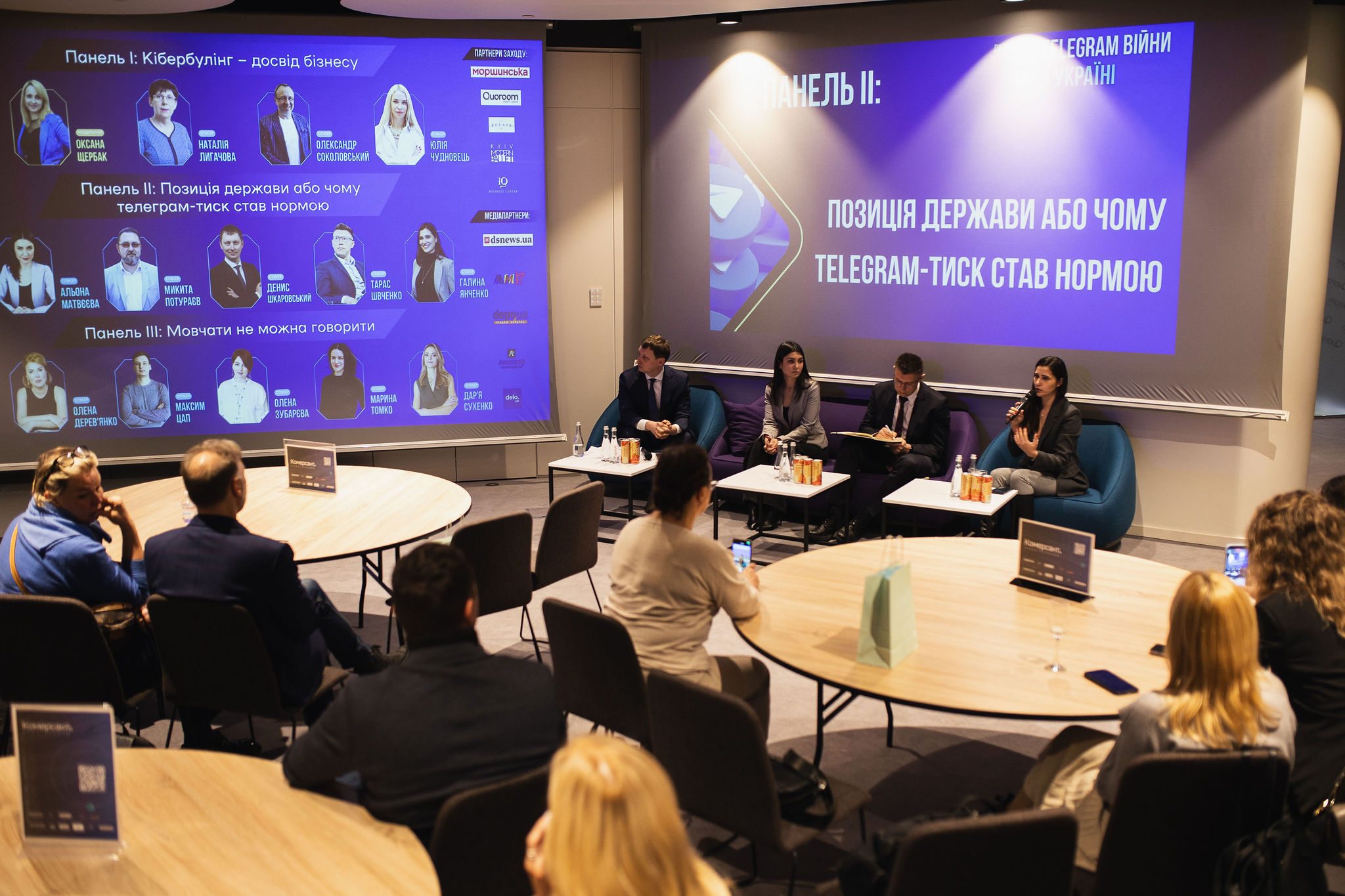
 ANALYSIS
Telegram channels have become an integral part of our information space. They are often the first to report the beginning and end of air alerts, inform about the situation in the sky and events in different regions before official sources. These are the words of the editor-in-chief of "Komersant Ukrainian" Oksana Shcherbak started the discussion panel on the topic: TELEGRAM WARS in Ukraine: How to survive cyberbullying and save your company. Business stories and the government’s position.
“Especially in the first months of the war, Telegram helped us not to feel an information vacuum, to quickly find out what was happening even in the most remote corners of the country. It was a tool that united the society,”
– said Oksana Shcherbak
At the same time, the media expert drew attention to the importance of a critical approach to information in telegram channels, as they can be used in hybrid warfare, often do not respect copyright and operate without proper registration. Shcherbak called for using this tool responsibly.

“No one indicates or rarely indicates the source information: which publication, which author conducted this or that investigation. There is also no copyright for the use of video and photo content. A lot of Telegram channels are not registered as mass media and are not responsible, they cannot be sanctioned,”
– emphasized Oksana Shcherbak
Telegram: a threat or an opportunity?
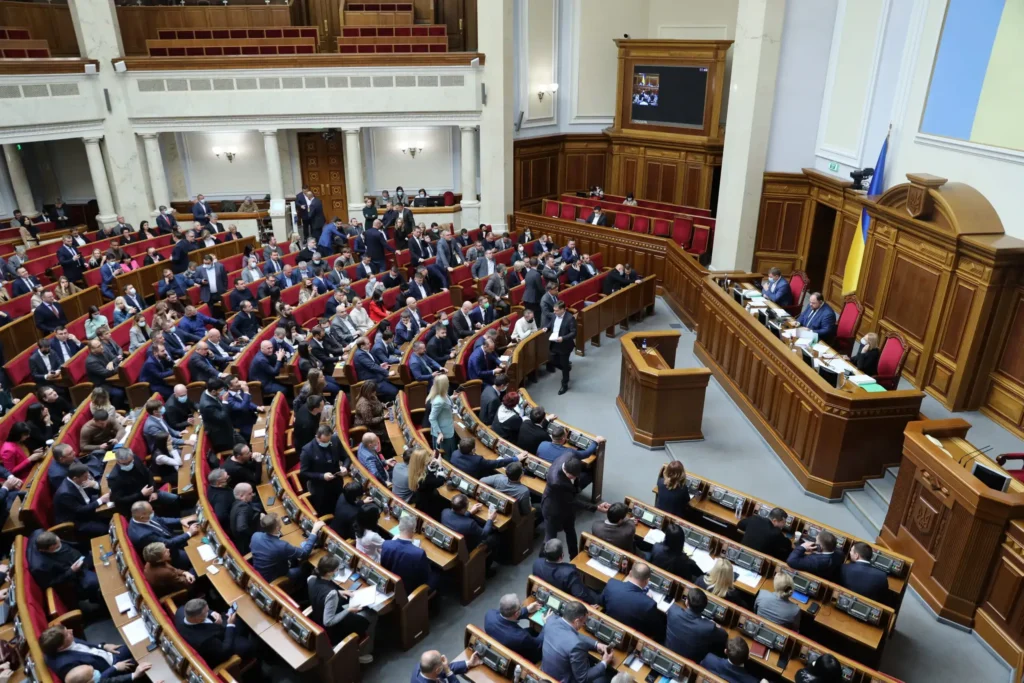
Galyna Yanchenko, Member of Parliament and Head of the Parliamentary Special Commission on Investor Protection, raised a number of important issues, including effective regulation of Telegram channels, protection of business from unreasonable pressure from law enforcement agencies, and the role of reputation in modern business.
The parliamentarian is convinced that the idea to ban Telegram channels seems unreasonable. In her opinion, this tool is neutral, and its role depends on who uses it and how.
“I don’t think Telegram should be banned. This tool played an important role at the beginning of the full-scale invasion, when the channels managed to convey alternative information to citizens in the occupied territories and even to the Russians,”
– noted Halyna Yanchenko.

At the same time, the MP emphasized that the problem arises when the platform is used to spread disinformation or manipulation. The MP recalled that before Telegram, there were so-called “cisterns” in the form of websites, and now they are channels. Banning the platforms does not solve the problem, as new mechanisms for such activities will emerge. Yanchenko also emphasized the importance of reputation as a tool to combat disinformation:
“Businesses should actively work on their image, as it is a key element of trust, especially in the context of Telegram channels that can be used as a tool for manipulation.”
Galyna Yanchenko
Follow us on Telegram: the main news in a nutshell
How Telegram affects law enforcement activities
In today’s information space, Telegram has become not only a platform for sharing news, but also a tool that can influence government processes. During the discussion panel, Alyona Matveeva, spokesperson for the Bureau of Economic Security (BES ), emphasized that Telegram channels can turn into a powerful tool for manipulation, interference in the work of law enforcement agencies, and even the publication of confidential information.
For example, information from Telegram channels sometimes becomes part of investigative actions or criminal proceedings. However, this is only the initial stage, and such data is not enough to form a verdict, the BES spokeswoman notes
“Even if one of the alleged evidences is a publication in the Telegram channel, in order to bring the case to court and serve someone with a suspicion, a lot of other evidence needs to be collected,”
– explained Aliona Matveeva.

However, the openness of the information field creates difficulties for investigators. Often, reports of searches or investigations get into the public space before the investigative actions are completed.
“Our representatives of the Bureau of Economic Security come to a search, and the telegrams are already being sent. Even if we would like to avoid commenting, we are forced to respond because there are requests from the media,”
– added Aliona Matveeva.
“Black PR” as a means of influencing reputation
Matveeva stated that Telegram is used to discredit not only businesses but also government agencies. The BES spokeswoman described cases when channels spread false information, which caused reputational risks for law enforcement.
“Telegram channels publish information without citing any sources. They can indicate surnames, names of companies without being responsible for it,”
– noted Aliona Matveeva.
Manipulation of facts in high-profile investigations is a frequent phenomenon on Telegram channels. In particular, they spread information that investigators are allegedly delaying the investigation because of their personal interest in its results. In reality, the delay is caused by lawsuits that were beyond the control of the BES, the BES spokeswoman said.
“When such fakes are spread by anonymous sources, the public quickly accepts them at face value. This undermines the credibility of not only a particular agency, but the entire law enforcement system,”
– noted Matveeva.
Such publications not only discredit the activities of the agency, but also force law enforcement officers to be distracted by refuting false statements. This wastes resources that could be used for effective investigation.
“Every fake news story forces us to prepare responses that refute these accusations. And this takes time and effort of our specialists,”
– emphasizes Matveeva.
How to regulate Telegram?
The BES spokeswoman emphasized that to minimize reputational risks, it is necessary to improve communication mechanisms and respond promptly to information attacks.
“To exclude this pressure of Telegram channels on law enforcement agencies, we need to establish constructive communication and be open to the public,”
– Matveeva summarized
At the same time, Taras Shevchenko, Deputy Minister of Culture and Information Policy of Ukraine (2020 – October 2024), founder of the Center for Democracy and Rule of Law, believes that banning Telegram is not a realistic or correct way. Instead, a combination of regulation and co-regulation is needed:
- Legal registration: Telegram channels that make money from advertising should be registered as businesses to ensure financial transparency and tax payment.
- Labeled ads: Sponsored content should be clearly labeled as advertising so that consumers can distinguish it from news.
- Ethical standards: Create and enforce ethical codes for Telegram channels through co-regulation with the media community.
- Benefits for legal channels: Legal channels should have access to government events and accreditations.

“The more transparent the channels are, the more trust they will gain. Regulation should help separate legal players from those who work illegally,”
– Shevchenko summarized.
Thus, in the age of digital information, Telegram is both a source of news and a tool for information wars. Therefore, it is important for the state to find a balance between combating disinformation and respecting the principles of freedom of speech.
Follow us on Telegram: the main news in a nutshell