The decree may be reduced from 3 years to 4 months. What other changes are envisaged in the Labor Code?
9 March 15:30
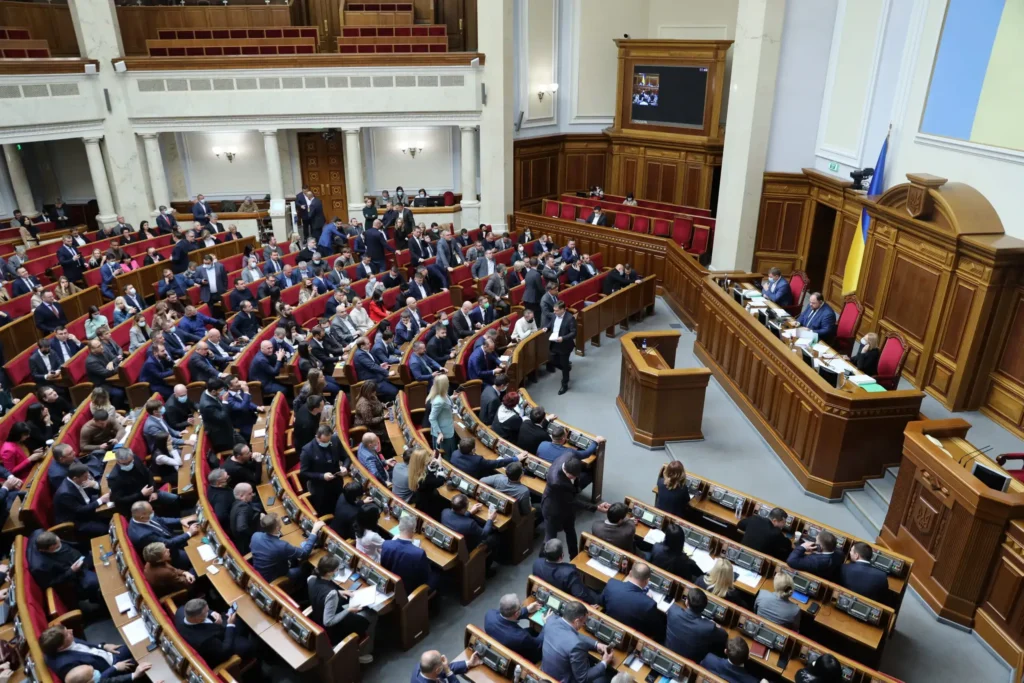
The Verkhovna Rada’s profile committee recommended that parliament adopt the draft of the new Labor Code as a basis. One of the most discussed innovations is the possible reduction of maternity leave, according to "Komersant Ukrainian".
According to the proposals, standard paid parental leave in Ukraine could be reduced from the current three years to four months.
The authors of the changes refer to international practice, but the duration of maternity leave varies significantly from country to country:
- Germany and France: together with childcare leave, the term can reach 3 years.
- Canada: up to 78 weeks (about 1.5 years).
- Poland: 61 weeks (about 1 year and 2 months).
- United Kingdom: up to 52 weeks (1 year).
- United States: there is no paid maternity leave at the federal level.
The government explains that the document is intended to replace the current Labor Code of 1971 and systematically update labor legislation, taking into account the current socio-economic realities and Ukraine’s European integration commitments. Controversial provisions will be revised.
What else does the draft provide for?
Key provisions include the regulation of individual and collective labor relations based on the principles of freedom and equality of the parties, updating approaches to fixed-term employment contracts, establishing rules for video surveillance in the workplace and monitoring of official correspondence.
The document also contains provisions on the development of the institution of labor mediation and the procedure for resolving collective labor disputes.
Probationary period
In addition, concerns were raised about the provision on the possible extension of the probationary period beyond three months. The trade union side believes that this creates risks for employees, in particular young professionals and internally displaced persons.
Fixed-term employment contracts
The expansion of the scope of fixed-term employment contracts was discussed separately. Trade unions emphasized the need to preserve permanent contracts as the main form of employment and to establish restrictions on the renewal of fixed-term contracts.
Positions of government agencies
The Ministry of Economy, the Ministry of Finance, and the Ministry of Social Policy supported the draft. At the same time, the Ministry of Education and Science proposed to clarify the rules regarding student and pupil employment contracts and to maintain the possibility of paying remuneration during internships.
A number of scientific institutions provided suggestions and comments to be taken into account when finalizing the document.
The draft was prepared over two years with the participation of trade unions, employers, and representatives of the relevant committee. It is planned to take the comments into account and finalize the controversial provisions before the second reading.
The adoption of the new Labor Code aims to liberalize labor relations, but the clause on reducing maternity leave has already sparked heated debate in society. Experts emphasize that such changes will require the development of a network of kindergartens and nurseries that can accept infants from an early age.