Dmitriy Snegirev on peace talks with Russia: there are big concerns
3 May 2024 12:39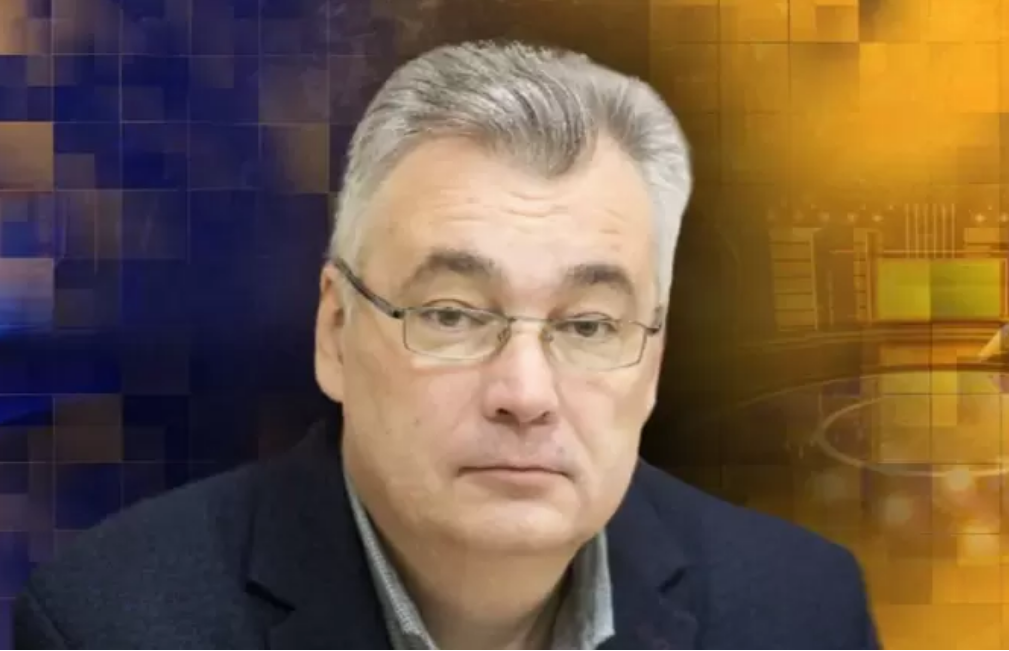 БЛІЦ
БЛІЦ
Ukraine cannot win against Russia on the battlefield alone, so the war is likely to end in negotiations with Moscow. This opinion was expressed in an interview with The Economist by Vadym Skibitskyi, deputy head of the Defence Intelligence of Ukraine. The DIU representative said that both sides are currently trying to take the “most favourable position” before potential negotiations, but they will not begin until the second half of 2025. [Kommersant] asked military expert Dmitry Snegirev whether it is possible to count on negotiations with a country that does not adhere to any requirements and standards.
The Defence Intelligence of Ukraine said that meaningful negotiations with Russia could begin no earlier than the second half of 2025. What kind of negotiations could we be talking about?
This is an open question. Especially since the NSDC decision bans any negotiations with Russia. Accordingly, the question will arise as to whether the NSDC’s decision is illegitimate, which entails legal conflicts in the form of cancellation of previous NSDC decisions on imposing sanctions on legal entities and individuals. So I would also like to understand what is behind these statements.
Were there any negotiations, for example, with Hitler during the Second World War?
As for the Soviet side, there were certainly non-aggression pacts signed before the war, even the last demonstration that took place in Moscow on 1 May – representatives of the German Wehrmacht were present. Diplomatic relations were maintained until the end. Even at the time of the attack, when Ribbentrop announced the declaration of war, the Soviet leadership did not quite understand what he was talking about. Another question was during the war. No, there is no such information.
What about the Allies? Were they engaged in such negotiations?
As for the possibility of negotiations on the part of the Allies, well, there was information, but it is not confirmed. But I’m not entirely convinced that anyone could have negotiated with him, given the situation at the war and the front, which was not in favour of Nazi Germany. This would be a discredit to the very governmental institutions of the West and the Soviet Union. So there was no point in the negotiation process at that time.
The only negotiation process was what happened in early May, and there was indeed a negotiation process, but it was on the terms of surrender.
That is, if we look at historical analogies, there is no question that negotiations are possible, but they will either concern the end of the war on the terms of the winner, or the terms of surrender. Therefore, if this option is chosen – if there are negotiations with Russia to end the war on Ukraine’s terms – there are no questions. Or, in this sense, if this is what the GUR meant, then there are no questions, all processes have relevant historical parallels.
Is it possible to expect to negotiate with a country that does not comply with any requirements and standards?
No, not at all. The same Minsk agreements: both the first and the second were violated by Russia and were used, respectively, only to reformat the Russian economy. Therefore, I have great concerns that if these negotiations are held, and they do not go in Ukraine’s favour, this will be used by Russia as an element to reformat the military, i.e. the armed forces and the economy, respectively. Taking into account the processes that have taken place during these 3 years of war.
Author – Iryna Shevchenko