Durov promised to make Telegram traffic “more difficult to detect and block”
4 April 19:10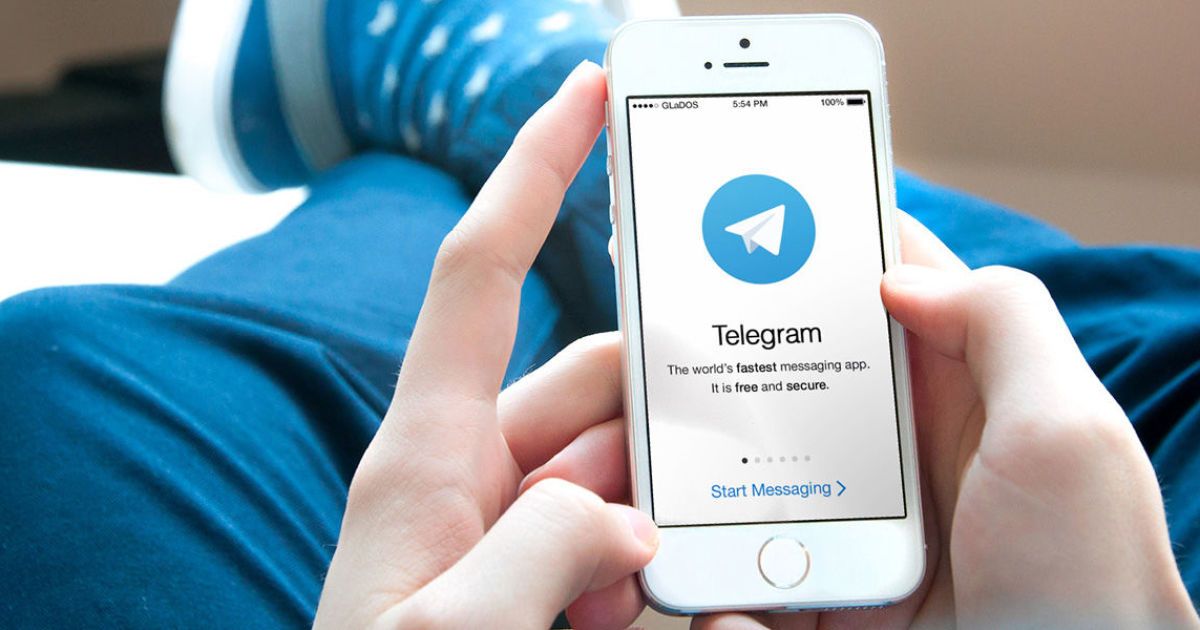
Telegram founder Pavel Durov stated that the messaging app will continue to adapt to blocks to make its traffic harder to block, according to "Komersant Ukrainian".
“Welcome back to the digital resistance, my Russian brothers and sisters. The entire nation is now mobilized to circumvent these absurd restrictions. Thousands of people are setting up VPNs and proxy servers. For our part, we will continue to adapt so that Telegram traffic is harder to detect and block,” he wrote on his Telegram channel.
Durov noted that despite attempts to restrict access to Telegram, 65 million Russians continue to use it daily via VPN, with over 50 million sending messages every day.
“The government has spent years trying to ban VPNs as well. Their attempts to block them have just triggered a massive banking failure—yesterday, cash briefly became the only payment method across the country,” he added.
The businessman also cited the example of Iran, where Telegram was banned several years ago: the government, Durov noted, had hoped for the widespread adoption of its surveillance apps, but instead saw the widespread adoption of VPNs.
“Now, the 50 million members of the Digital Resistance in Iran have been joined by more than 50 million in Russia,” the messenger’s founder emphasized.
Roskomnadzor began restricting Telegram’s operations in the summer of 2025, citing the fight against fraud and sabotage. The agency announced the start of a full block on February 10. As of early April, according to the OONI project, the blocking rate had reached 80%. Rostelecom CEO Mikhail Oseevsky reported a tenfold drop in Telegram traffic on the T2 network.
The RKN also completely blocked WhatsApp, removing its address from the National Domain Name System (NSDI) along with previously banned social networks and Western media websites.
Telegram is still operating with glitches in some regions, but, according to IT analyst Mikhail Klimarev, this is tantamount to a complete block.
“What’s the difference if every fifth message comes through or every third? In any case, not all messages are coming through, which is unacceptable for the messenger to function normally,” he explains.
Durov previously said that by blocking Telegram, Russian authorities are trying to “force” their citizens to switch to Max—a “state-controlled app created for surveillance and political censorship.”