Justin Trudeau announces his resignation: what it means for Canada and Ukraine
6 January 2025 22:00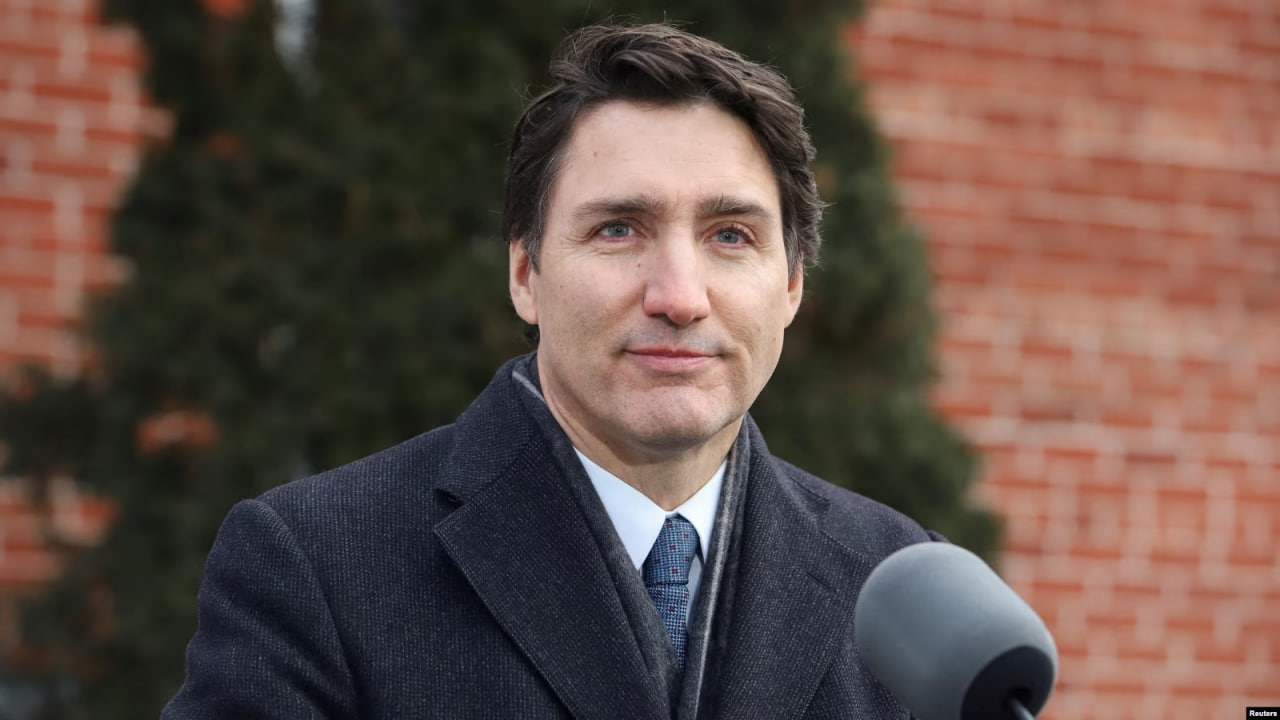 ANALYSIS FROM
Canadian Prime Minister Justin Trudeau has announced his decision to step down as head of government and leader of the Liberal Party. He made the announcement during a press conference on Monday, January 6. What this means for Ukraine and whether there is a candidate to replace Trudeau , "Komersant Ukrainian" analyzed.
Trudeau said that Canada deserves a “real choice” in the upcoming elections. At the same time, he said, internal conflicts in the party do not allow him to effectively fulfill his duties.
“I intend to step down as party leader and as prime minister after the party elects its next leader. It has become clear to me that if I have to fight internal battles, I will not be the best option,” Trudeau said.
Crisis in the Liberal Party of Canada
Trudeau’s decision to resign was the culmination of long-standing problems within the Liberal Party. In December, there were media reports about a possible change in the party’s leadership. The day before, most members of the parliamentary faction called on the prime minister to resign.
Recently, Justin Trudeau’s popularity has plummeted. Rising inflation, record food prices, and the housing crisis have become the main causes of public discontent. The COVID-19 pandemic has forced the Trudeau government to resort to significant spending, resulting in record budget deficits. In addition, the prime minister’s migration policy has been criticized. A significant influx of migrants has made it difficult to access housing and healthcare services, which are traditionally the strengths of the Canadian system.
The situation was exacerbated by the resignation of Deputy Prime Minister and Minister of Finance Chrystia Freeland. She resigned due to disagreements with Trudeau over strategic decisions for the country.
According to opinion polls, the Liberal Party’s rating is currently at 16%, the worst in the last century. At the same time, the opposition Conservative Party has come out on top in the ratings.
Trudeau’s political heritage
Justin Trudeau has served as Prime Minister since 2015. His tenure was marked by a number of reforms, particularly in the areas of climate policy, human rights, and immigration. At the same time, recent years have been a test for him due to economic challenges and growing discontent among voters.
The decision to resign opens a new chapter in Canadian political life. The election of a new leader of the Liberal Party will be crucial not only for the party but for the country as a whole.
Who will lead the Canadian government: potential scenarios
By October of this year, parliamentary elections are due to be held in Canada, and until then, the Liberal Party will formally remain in power. However, the political situation is complicated by a number of factors, including internal contradictions in the party and the lack of a parliamentary majority.
According to The Globe and Mail, Justin Trudeau had the opportunity to immediately resign as prime minister, handing over the leadership to current Finance Minister Dominique Leblanc as interim leader of the party and government. However, Trudeau decided to stay in office for a transitional period, which is drawing criticism from both the opposition and his fellow party members.
The Liberal Party has been working in a minority government for several years, depending on the situational support of other parties. Against this background, the opposition Conservative Party and the New Democratic Party are calling for early elections.
According to analysts, these elections could take place as early as spring. Given the current rating of the Liberal Party, the chances of retaining power seem low. According to Poll Tracker, a poll aggregator, the Conservatives have a 44% rating, while the Liberals have only 20.9%. The New Democratic Party is in third place with 19%.
What does this mean for Ukraine?
The potential resignation of Trudeau and changes in the government could have a significant impact on support for Ukraine. Both in positive and negative ways.
- Chrystia Freeland is one of the likely candidates for leadership of the Liberal Party. As a representative of the Ukrainian diaspora, she has long been a consistent supporter of Ukraine. Her coming to power would be positive for Ukrainian-Canadian relations.
- The Conservative Party also declares its support for Ukraine. Its leader, Pierre Poilievre, has previously criticized the Trudeau government for not providing enough assistance to Ukraine. In February last year, he accused the prime minister of failing to increase ammunition production and delaying the delivery of the promised NASAMS air defense systems to Ukraine.
Nevertheless, Poilievre’s policy may be more pragmatic. His negative stance on the free trade agreement between Ukraine and Canada suggests that the Conservatives may adjust their course toward greater dependence on domestic economic interests. In addition, Poilievre, who is often compared to Donald Trump, may be guided by the policies of the newly elected US president.
Thus, although Justin Trudeau’s decision to remain in office temporarily postponed the political crisis, the situation remains tense. The election is likely to be a key moment in determining Canada’s future both domestically and internationally.
Author – Anastasia Fedor