Ukraine’s economy is growing despite blows and falling exports, but the Accounting Chamber warns of budget risks by the end of the year
26 November 2025 20:55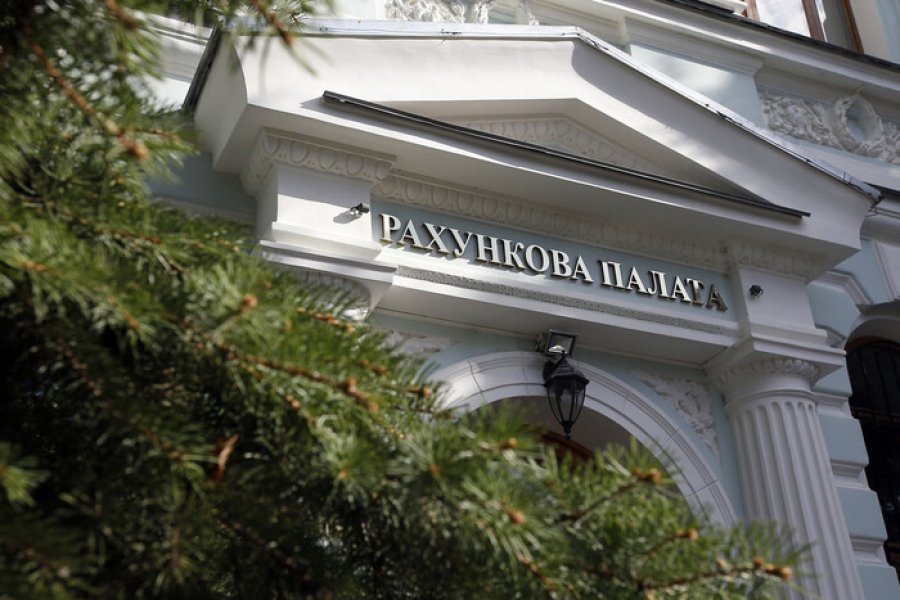
Ukraine’s economy continued to grow in the third quarter of 2025, despite Russia’s intense attacks on energy and transportation infrastructure and a decline in exports. This is stated in the Opinion of the Accounting Chamber on the implementation of the state budget for the first nine months of the year, adopted at a meeting on November 25, "Komersant Ukrainian" reports.
The economy is growing, but the role of international support remains critical
According to the audit, the key drivers of GDP growth were construction (15.5%) and retail trade (6%). At the same time, the overall structure of budget revenues remained heavily dependent on external support: UAH 1.4 trillion was received from international partners, largely in the form of loans. The share of grants in this amount decreased to 23.5%.
Due to delays in the implementation of reforms, Ukraine did not receive the planned €5.7 billion from the EU under the Ukraine Facility program and $0.5 billion from the IMF. Among the problems is the failure to meet targets for the work of the High Anti-Corruption Court and the Asset Recovery and Management Agency (ARMA).
Budget revenues are growing, but there are risks of shortfalls
In January-September, total state budget revenues amounted to UAH 2.7 trillion, 25% more than a year earlier. The general fund revenues plan was exceeded, in particular due to higher wages and business profitability.
Nevertheless, auditors warn of the risks of underperforming the annual revenue plan.
The main reasons are:
- lower-than-forecast hryvnia exchange rate;
- reduction in gas production and fuel production due to damaged infrastructure;
- a 10% drop in corporate profits in the first half of the year;
- growth of the tax debt to UAH 201.1 billion.
The penalties charged for late payments in foreign economic activity increased particularly sharply, by 13.6 times.
Defense is a priority, but some programs are underfunded
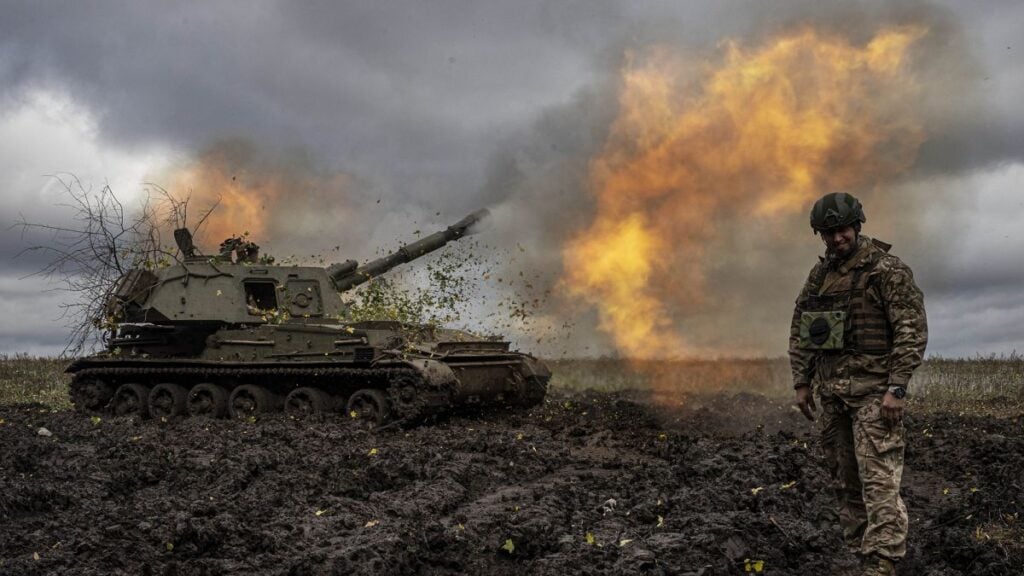
Budget expenditures for the first nine months of the year reached UAH 3.6 trillion, which is 22% more than last year. Spending on the security and defense sector grew the most, up to 69.4% of total expenditures. However, in a number of areas, the Ministry of Defense spent less than the contracted amount.
Expenditures were also under-executed:
- The Ministry of Social Policy – by UAH 25.5 billion;
- Ministry of Health – by UAH 11 billion;
- The Recovery Agency – by UAH 8 billion.
A quarter of the funds were misused
62% of the reserve fund’s resources have been allocated, but about 25% have been used for purposes that do not correspond to its purpose. We are talking about the Winter Support program, compensation to buyers of Ukrainian goods, and infrastructure repairs to improve accessibility.
The Accounting Chamber emphasizes that the reserve fund should be used only for unforeseen needs.
Problems with public investment and debt
The audit also recorded significant delays in the implementation of infrastructure projects and public investment, with expenditures in this area reaching only 40% of the plan. Some programs, such as compensation for destroyed housing or energy efficiency of public buildings, have not started at all.
Overdue accounts receivable are also growing – in particular, the Defense Ministry has UAH 68.1 billion of such liabilities.
Against this backdrop, the public debt increased by 14.9% to UAH 8.24 trillion, significantly increased by external borrowing. This increases the budget’s vulnerability to currency fluctuations.
What are the recommendations of the Accounting Chamber?
The head of the institution, Olha Pishchanska, said that the government and its managers should
- take measures to reduce the tax debt;
- accelerate the fulfillment of obligations under the Ukraine Facility program;
- pay off overdue receivables and payables;
- reorient unused funds of budget programs to more urgent needs.
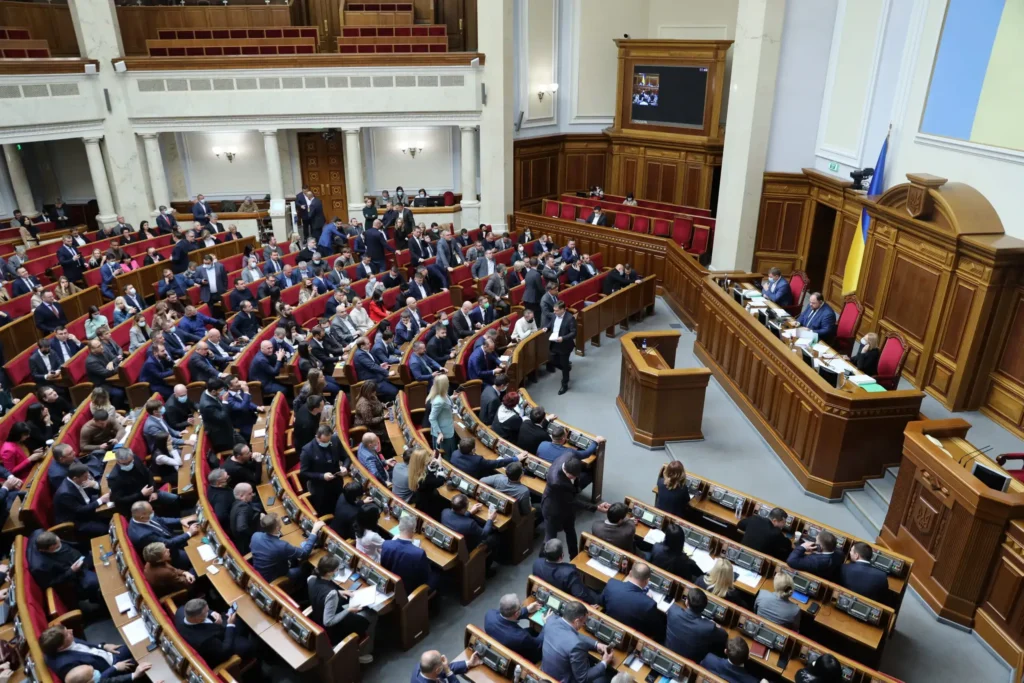
The decisions and conclusions of the Accounting Chamber will be submitted to the Verkhovna Rada, the government and specialized agencies.