Former US Ambassador Herbst supports the project of completion of KhNPP units, which the Rada ignores
18 December 2024 13:38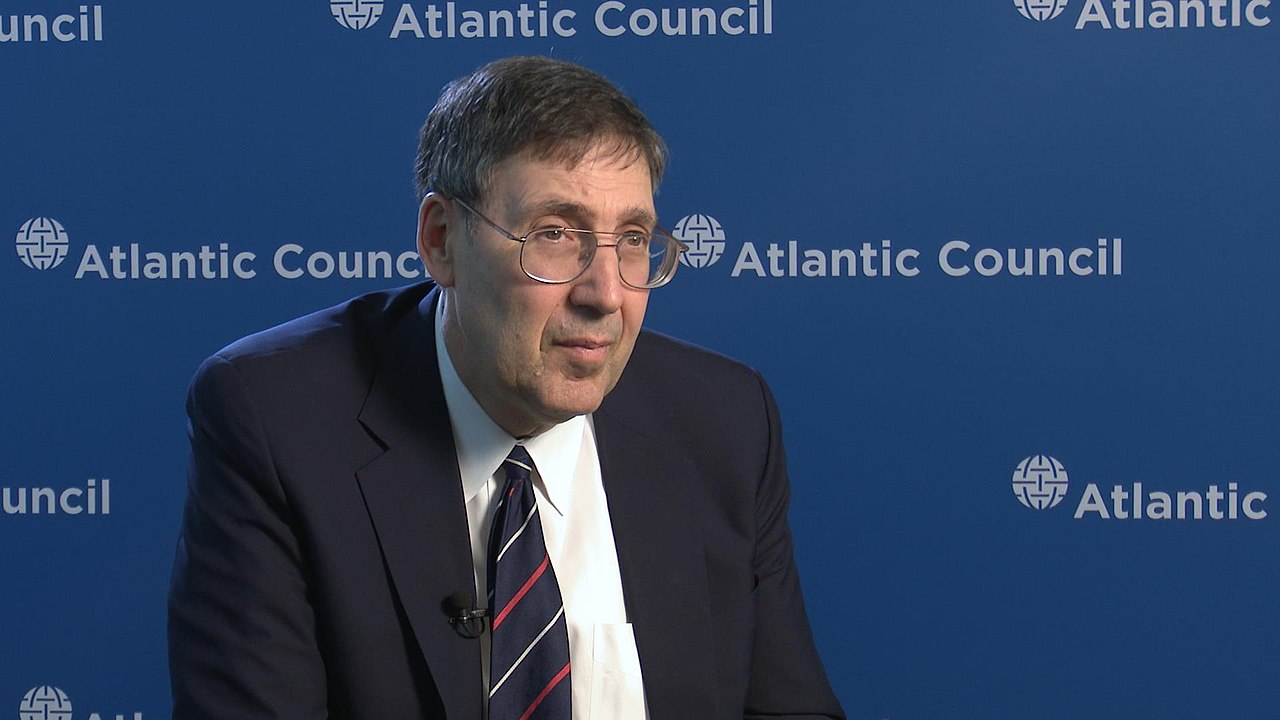
Former U.S. Ambassador to Ukraine John Herbst praised the Ukrainian government’s intention to complete the third and fourth power sides at the Khmelnytsky NPP. He wrote about this in X, "Komersant Ukrainian" reports.
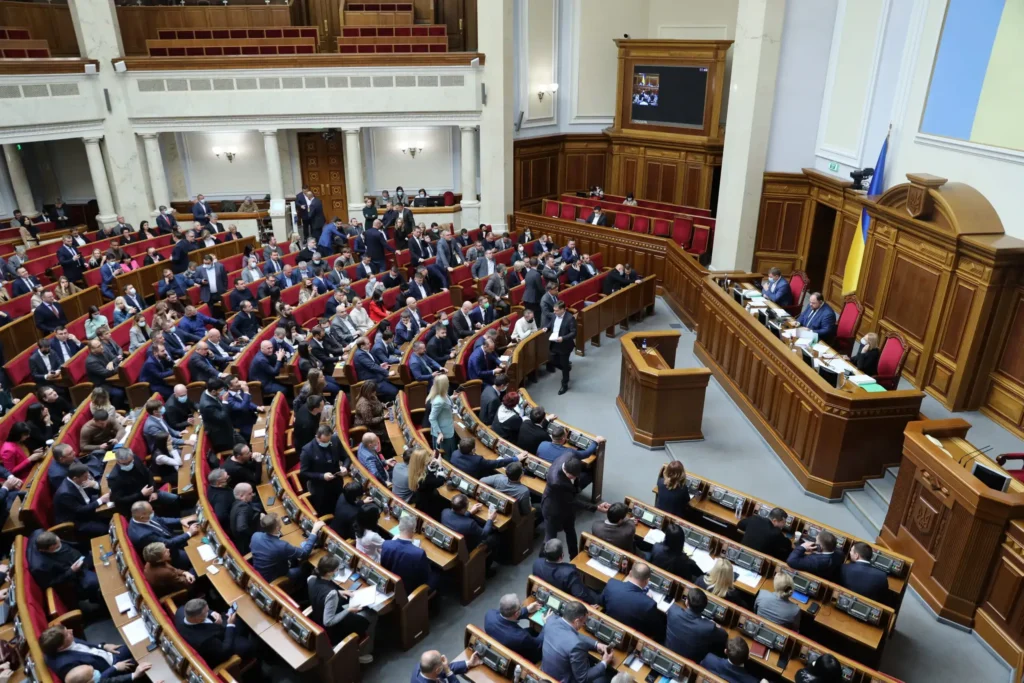
“As Moscow’s air campaign against Ukraine’s energy infrastructure continues, it is gratifying to see that the Verkhovna Rada is considering legislation to complete the Khmelnytsky Nuclear Power Plant, which should be done through cooperation with American companies. This will contribute to Ukraine’s energy independence and further U.S.-Ukrainian cooperation in the nuclear industry,”
– the diplomat wrote.
The American official was referring to the government’s draft law No. 11146, registered in parliament back in April and expected to be considered by the Rada this week. However, Herbst was a little late with his post – at the time of its publication yesterday at 9 p.m. Kyiv time, a number of MPs had already reported that the draft law had been removed from the agenda. In particular, Yaroslav Zheleznyak wrote about this. According to the MP, there are currently no votes in the parliament to support the government’s initiative.
“Do you remember the first draft law on “large nuclear construction” on the agenda? It has already been removed) There are no votes) Although they are still very actively working to find votes….. I have not seen this in the Rada for a long time. A lot of money is at stake,”
– he wrote on Telegram, also criticizing the document.
As reported by , in the context of the difficult situation in the energy sector due to Russian shelling, the Cabinet of Ministers has decided to build two new units at the Khmelnytsky N PP and has already received approval from the relevant parliamentary committee. However, the government’s initiative provoked a mixed reaction in society and politics. For example, the Razumkov Center criticized the plans, but some experts believe that only traitors or scoundrels are against the construction of nuclear power plants today.
Follow us on Telegram: the main news in a nutshell
The situation in the Ukrainian energy sector
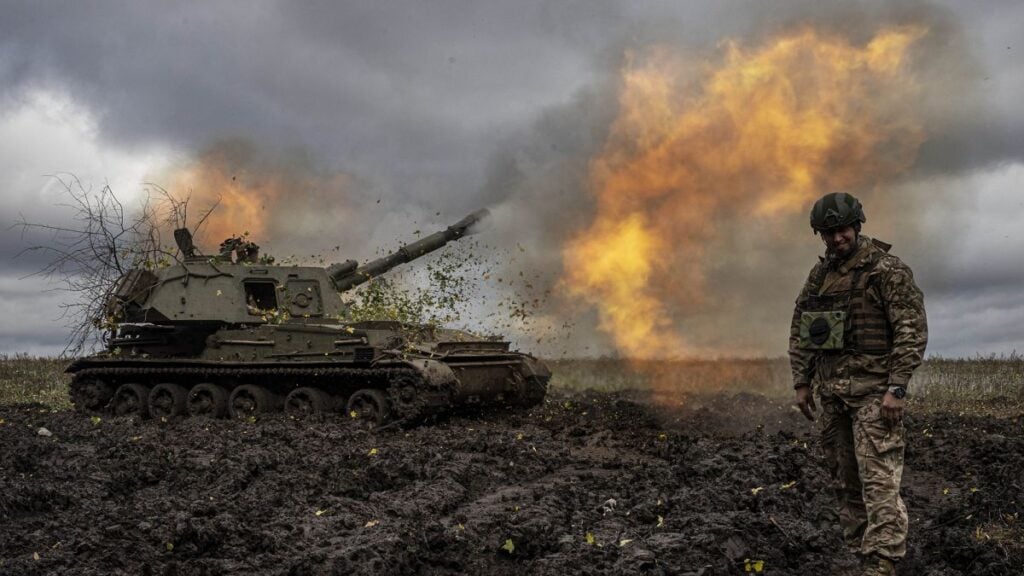
on March 22, 2024, Russia resumed its attacks on the Ukrainian energy sector, carrying out one of the most massive shelling attacks in the entire period of the full-scale war. In particular, DniproHES and other Ukrainian energy facilities were hit. Since then, Russia has been regularly shelling Ukrainian energy infrastructure.
For example, the Russians destroyed the Trypillia and Zmiiv thermal power plants, causing Centrenergo to lose 100% of its generation. Also, 5 of DTEK’s 6 thermal power plants were severely damaged.
After that, power outages began again in Ukraine, Ukrenergo introduced blackout schedules, and the government raised electricity tariffs by 60% at once.
Russia launched another massive attack on the Ukrainian energy sector on August 26. This time, it targeted distribution and power generation systems, and the Kyiv hydroelectric power plant was also hit.
Russia carried out the most massive shelling of Ukraine on November 17, 2024, firing 127 cruise, ballistic, and supersonic missiles and 109 attack drones. DTEK reported serious damage to its thermal power plants. The situation in Odesa and Odesa region was the most difficult: on the night of July 18, the city was partially without electricity and water. Ukraine reintroduces power outage schedules on July 18
Some experts believe that the blackouts may last until spring. And the Center for Countering Disinformation of the National Security and Defense Council of Ukraine recently voiced a worst-case scenario that envisages blackouts of up to 20 hours a day.
It was against this background that the government decided to build two power units at Khmelnytsky NPP right during the hot phase of the war with Russia.
Follow us on Telegram: the main news in a nutshell