Energy efficiency in housing: Verkhovna Rada supports law on ITPs
10 February 15:19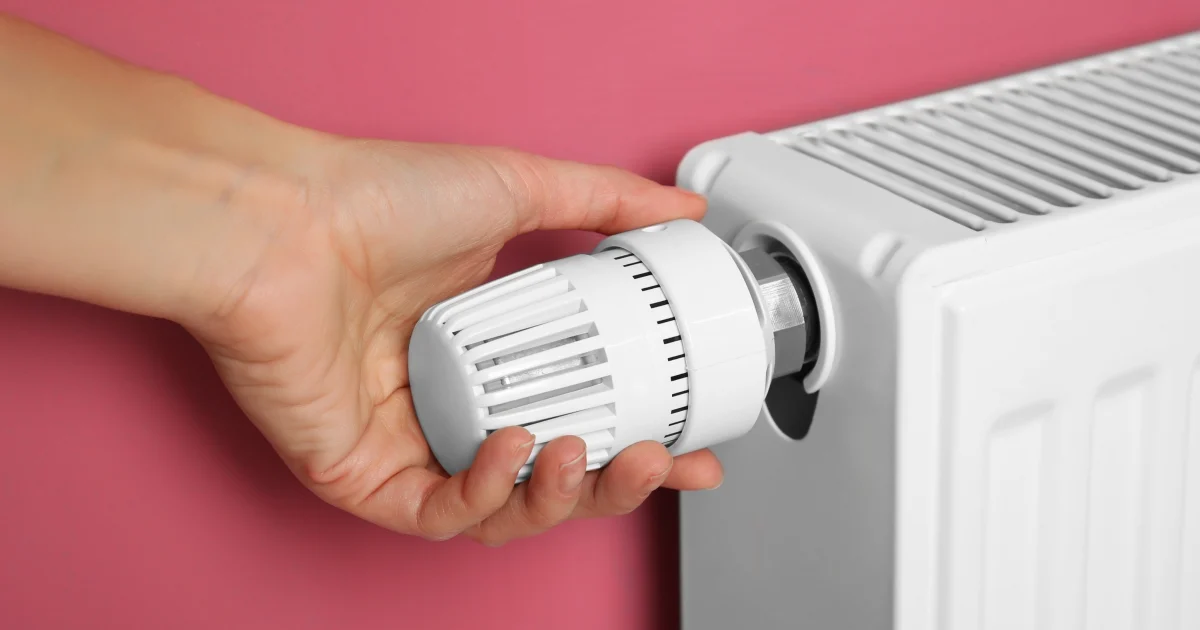
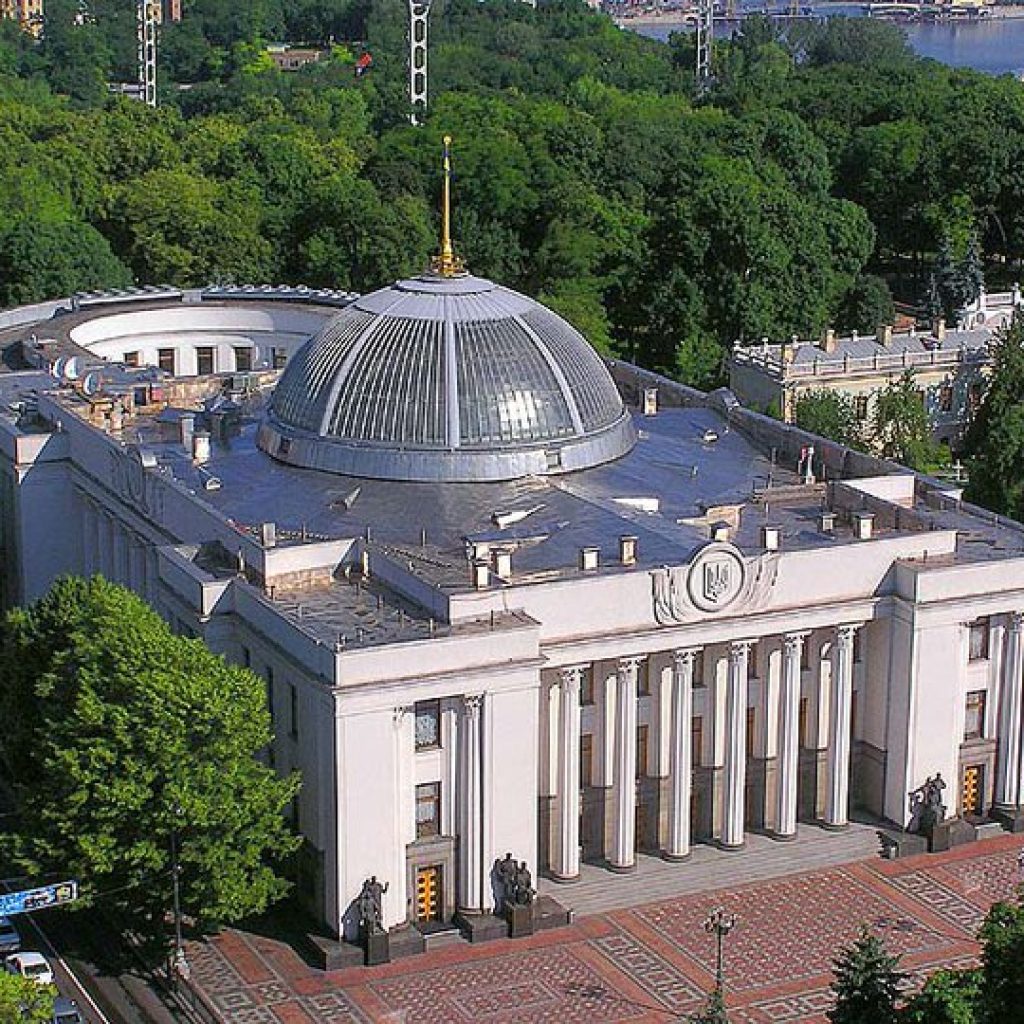
The Verkhovna Rada has approved a draft law that requires the installation of individual heating units in buildings connected to centralized heating networks.
This was reported by "Komersant Ukrainian" with reference to the press service of the Verkhovna Rada.
Heat control and metering in buildings
The parliament supported in the first reading draft law No. 14067, which provides for the development of efficient and sustainable centralized heat supply.
The document aims to modernize outdated heat supply infrastructure and make it mandatory to install individual heating units in buildings connected to centralized networks.
The bill was developed as part of the implementation of the Ukraine Facility Plan and Ukraine’s European integration commitments to adapt its legislation to European Union standards.
According to the explanatory note, the purpose of the draft law is to create favorable conditions for the modernization, development, and stable operation of centralized heat supply systems in Ukraine. In particular, the document provides for the mandatory installation of individual heating points (IHP) in buildings connected to centralized heating networks, which will allow for the regulation of heat consumption and ensure its accurate accounting.
The draft law pays particular attention to clarifying the competitive rules for heat-generating companies that produce heat energy from various sources.
Why was there a need to adopt the law?
The draft law was developed by the Ministry of Community and Territorial Development of Ukraine on its own initiative as part of improving legislation in the field of heat supply. Its preparation is due to the need to stimulate the introduction of individual heat distribution units, introduce transparent mechanisms for financing and implementing investment programs, and update approaches to competition in the heat supply market.
The adoption of the document will allow for the official recognition of centralized heat supply as an area of public interest and lay the foundation for a comprehensive upgrade of heating systems both in communities and at the national level.
The draft law also creates conditions for energy conservation, modernization, and reconstruction of heating networks, encourages local authorities to implement mechanisms to support such projects, and will help attract investment in the industry.
The implementation of the provisions of the law is expected to provide consumers with uninterrupted heat and hot water supply, improve the quality of services, reduce the costs of enterprises for the production, transportation, and supply of heat energy, and stimulate the reduction of energy consumption and the introduction of energy-efficient technologies.
The draft act does not require funding from the state and/or local budgets.
State of emergency in the energy sector
On January 14, President Volodymyr Zelensky declared a state of emergency in the energy sector. A headquarters was set up in Kyiv to coordinate the situation, which will operate on a permanent basis. The president appointed First Deputy Prime Minister and Minister of Energy Denys Shmyhal to lead efforts to support people and communities in such conditions, as well as to resolve practical issues.
The president instructed government officials to intensify their work with partners to obtain the necessary equipment and additional support. The Cabinet of Ministers must ensure maximum deregulation of all processes related to connecting backup energy equipment to the grid during this situation.
In turn, Energy Minister Denys Shmyhal stated that there is not a single power plant left in Ukraine that has not been hit by Russian strikes during the war.