FT: NABU and SAPO reforms jeopardize European funding and Ukraine’s accession to the EU
23 July 2025 17:56
President Volodymyr Zelenskyy’s controversial decision to bring anti-corruption agencies under the control of the Prosecutor General could disrupt European financial support and jeopardize Ukraine’s European integration. This was reported by theFinancial Times, citing high-ranking European officials, "Komersant Ukrainian" reports.
on July 22, Zelenskyy signed Law 1241, which transfers control of the National Anti-Corruption Bureau (NABU) and the Specialized Anti-Corruption Prosecutor’s Office (SAP) to the Prosecutor General, an official appointed by the president. Zelenskyy himself explained this as a desire to eradicate Russian espionage in these agencies.
However, the law was strongly criticized in the European Union and the G7 countries.
EU Economic Commissioner Valdis Dombrovskis, who is responsible for financial assistance to Ukraine, told the FT that the independence of NABU and SAPO is critical to the reform of the state:
“These agencies must act independently to effectively fight corruption and maintain public trust. Our financial support is directly dependent on transparency, judicial reforms and adherence to democratic standards,” he said.
According to the FT, this week, French President Emmanuel Macron and European Council President Antonio Costa held talks with Zelenskyy, urging him to reconsider the law.
The newspaper reminds that corruption and the lack of independent justice remain the main obstacles to Ukraine’s path to EU membership. Despite the candidate status granted in 2022, real progress in the negotiations is being blocked by Hungary, the country that maintains the most Russia-friendly position among EU members.
At the last summit of the 27 EU leaders, only Viktor Orban refrained from praising Ukraine’s reforms. The others urged Kyiv to take the next steps to start membership negotiations, which should include key European values such as democratic checks and balances, financial control, and an independent anti-corruption system.
However, the new Ukrainian law has jeopardized these plans, European officials said.
What is known about the draft law No. 12414:
- The Prosecutor General receives broad powers over NABU and SAPO:
- access to all cases and the right to transfer them to other agencies;
- the ability to give binding written instructions to detectives;
- close investigations at the request of the defense;
- resolve disputes over jurisdiction independently;
- to sign suspicions against top officials without the SAPO’s participation ⟶ effectively turning the SAPO into a nominal body and the NABU into a subdivision of the Prosecutor General’s Office.
How it happened
- The amendments were introduced to draft law No. 12414 (originally on missing soldiers) by Buzhansky and Mamka at the last minute before the vote.
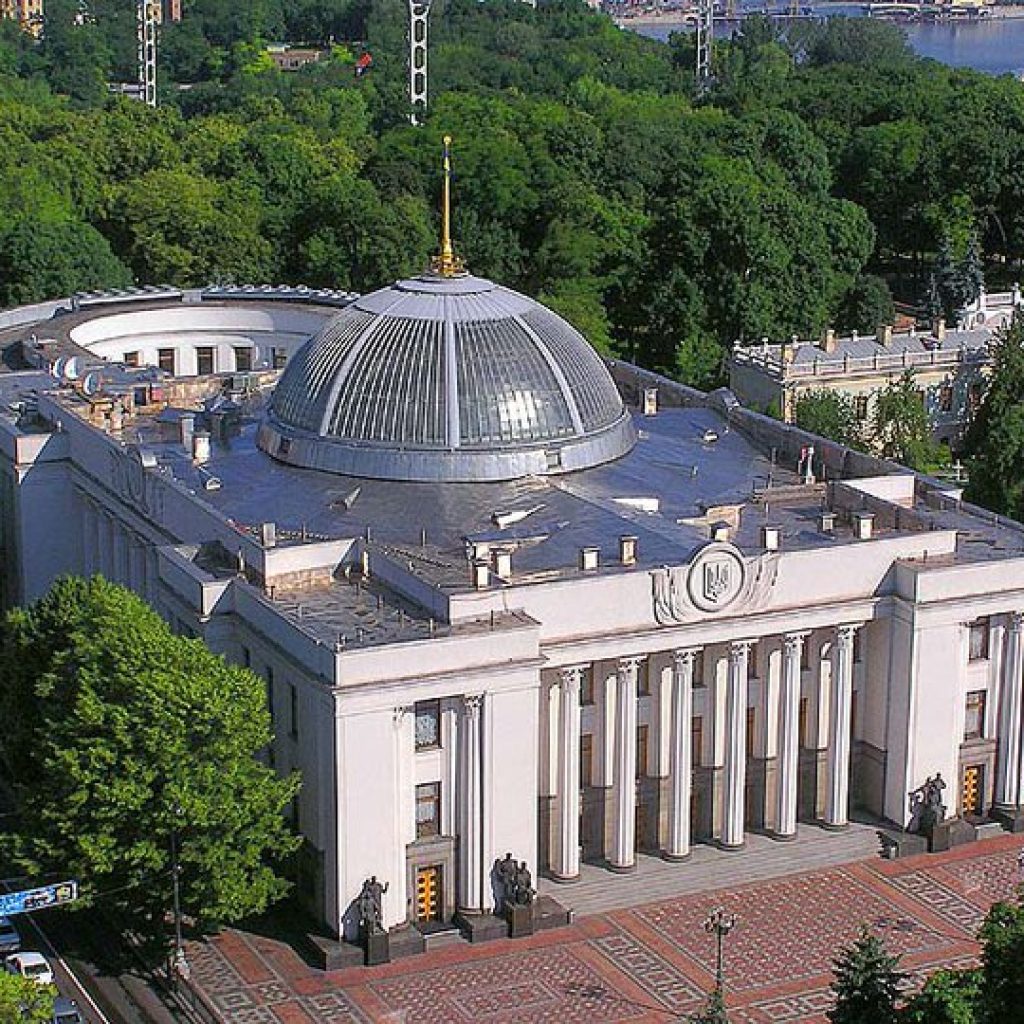
- The Verkhovna Rada adopted the amendments on July 22, with 263 MPs voting in favor.
Resonance and reaction
- The NABU, the SAPO, experts and analysts call the law a destruction of the anti-corruption infrastructure. The bureau’s management characterized SAPO as a “nominal figure” and NABU as a unit of the Prosecutor General’s Office.
- NABU acting director Semen Kryvonos said it was a threat to Ukraine’s Euro-Atlantic aspirations and called for a blocking resolution.
- TheSBU and the PGO simultaneously conducted more than 70 searches of NABU and SAPO employees.
- Mass protests in Kyiv, Lviv, Dnipro, and other cities were the first significant protests during the war.
International reaction
- The EU, OECD, the Netherlands, France, and Sweden expressed serious concern:
- the independence of anti-corruption bodies is a key condition for EU accession;
- the attack could undermine trust, hinder defense investment and reconstruction.
What’s next
- President Zelenskyy signs the law, explains that it is a cleansing of Russian influence, and promises a new anti-corruption strategy in two weeks.
- The parliament and analysts are preparing an appeal to the Constitutional Court and considering vetoing the law.