KAMAZ CEO charged in Ukraine: what is known about the case
21 January 08:54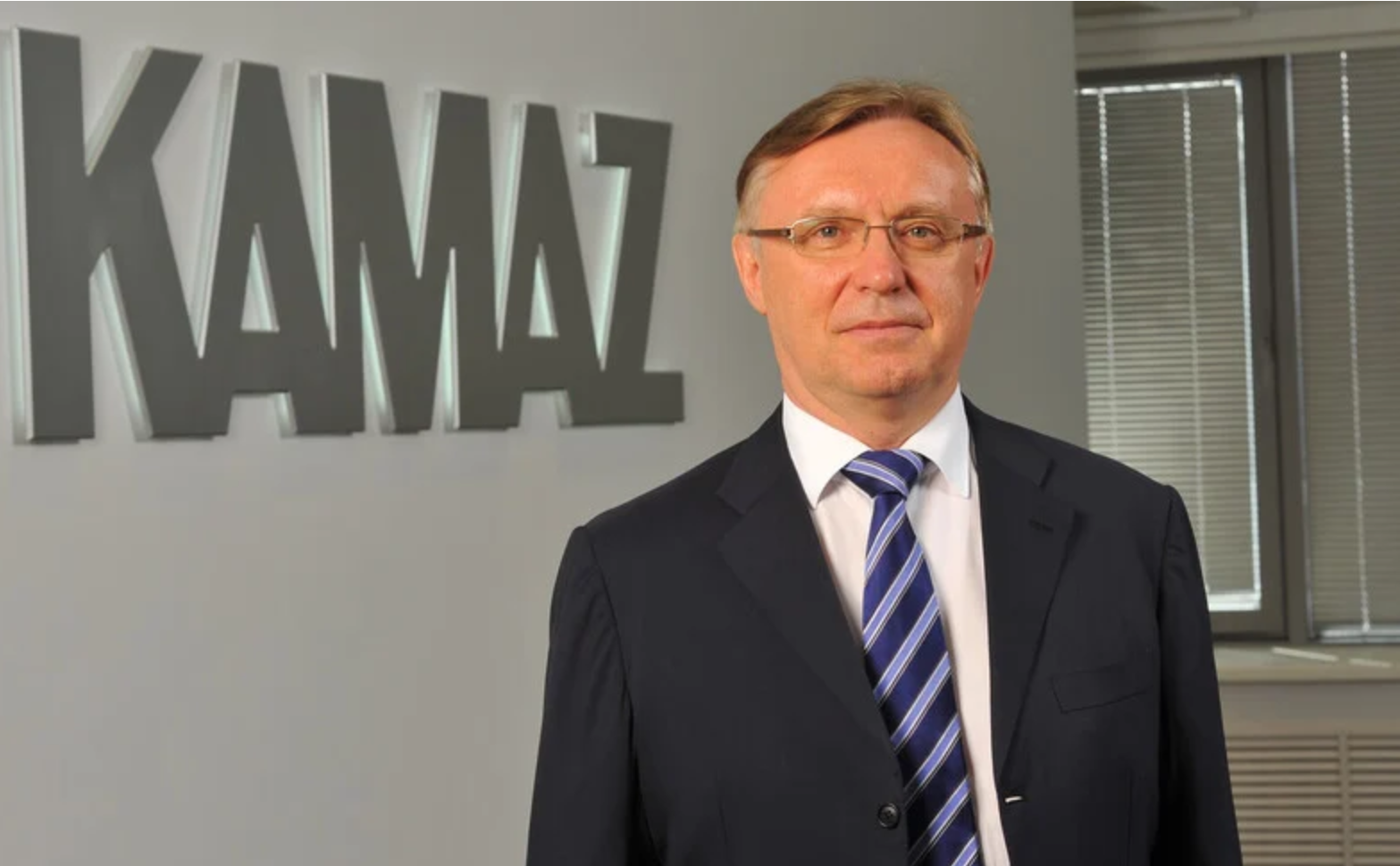
Prosecutors from the Office of the Prosecutor General have notified the CEO of PJSC KAMAZ that he is suspected of aiding the Russian Federation’s armed aggression against Ukraine. The case concerns the systematic supply of military vehicles for the needs of the Russian army after the start of the full-scale invasion, according to "Komersant Ukrainian".
What is the KAMAZ CEO suspected of?
According to the investigation, since February 2022, the head of KAMAZ, which is part of Rostec, has organized large-scale deliveries of equipment to the armed forces of the aggressor state. The total number of units delivered is at least 15,000.
Among the deliveries are:
- more than 12,000 trucks;
- more than 2,000 semi-trucks;
- more than 400 dump trucks;
- about 1,000 specially modified vehicles.
Modifications for war
The investigation established that, in addition to serial deliveries, technical and mechanical modifications of the vehicles were organized. These changes allowed the equipment to be used for:
- military logistics;
- transporting ammunition;
- supplying the rear units of the Russian army.
In fact, civilian equipment was purposefully adapted to the needs of waging an aggressive war against Ukraine.
Legal classification
The suspect’s actions are classified under:
- Part 5 of Article 27 of the Criminal Code of Ukraine (aiding and abetting),
- Part 2 of Article 437 of the Criminal Code of Ukraine (waging aggressive war).
The Office of the Prosecutor General emphasized that Ukraine consistently brings to justice all individuals and company executives who work for the Russian military machine.
“Anyone who contributes to aggression against Ukraine, regardless of their position or country of residence, will be held accountable before the law,” the OGP emphasized.
What this means
The announcement of suspicion against the head of one of Russia’s largest machine-building enterprises
- strengthens the international legal responsibility of businesses working for the war;
- creates grounds for expanding sanctions;
- establishes evidence for future international courts regarding the crime of aggression by the Russian Federation.