General Staff does not confirm encirclement of Ukrainian units in Kursk region
15 March 2025 05:00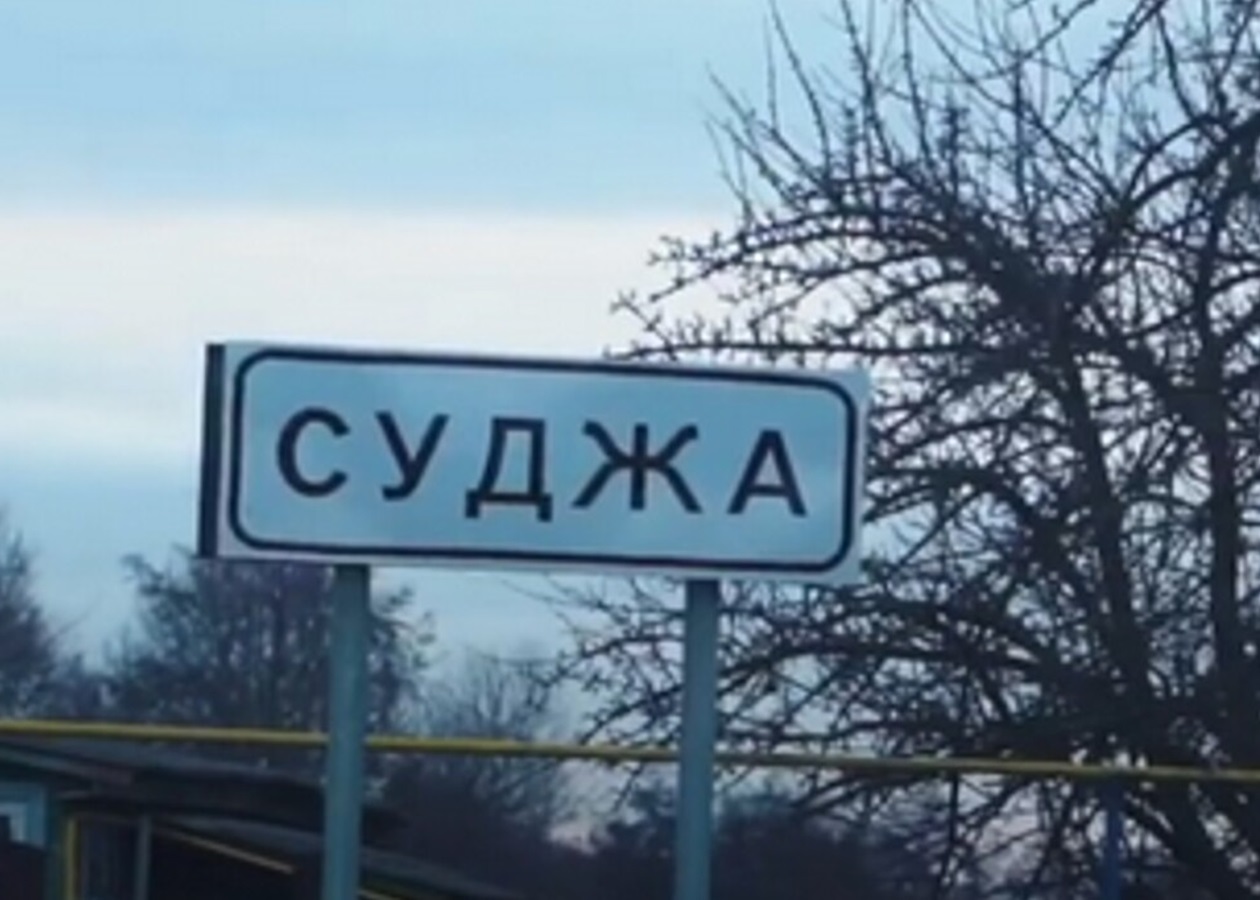
Reports about the enemy’s alleged encirclement of Ukrainian units in the Kursk region are not true. Such reports are created by Russians for political purposes and to put pressure on Ukraine and its partners. The situation did not change significantly over the day. Combat operations in the operational area of the Kursk military grouping continue. The General Staff of the Armed Forces of Ukraine posted this message on its Facebook page .
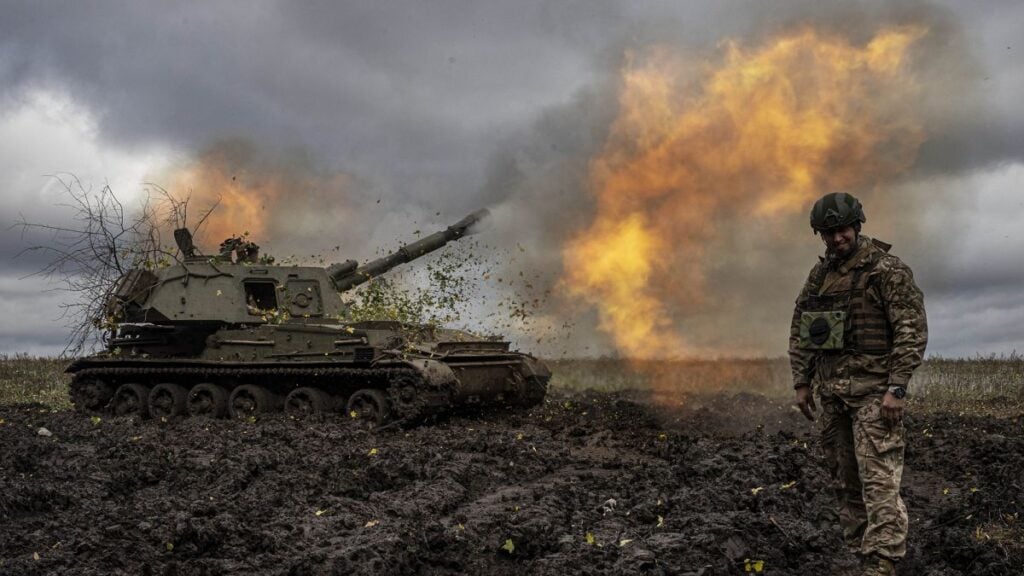
“Our command notes that the units of the Ukrainian Defense Forces have regrouped, moved to more favorable defense lines and are performing their assigned tasks in the Kursk region. Our warriors are repelling the enemy’s offensive and inflicting effective fire damage from all types of weapons.
“Since the beginning of the day, 13 combat engagements took place in the Kursk sector. There is no threat of encirclement of our units,” the General Staff of the Armed Forces of Ukraine said.

As a reminder, Russian dictator Vladimir Putin demanded that Ukrainian troops withdraw from the Kursk region of Russia. He “guaranteed” the lives of our defenders if they lay down their arms.
Russian dictator Putin says that he is not against the US proposal to introduce a 30-day ceasefire at the front. But he has many demands to Ukraine and has no idea how this ceasefire will work.
Follow us on Telegram: the main news in brief
Moscow against the ceasefire: why does the Kremlin reject a 30-day pause in the war?
Russian presidential spokesman Dmitry Peskov said that the Kremlin is “carefully studying” the final statements made after the US-Ukraine talks in Jeddah. He urged “not to get ahead of ourselves” on the issue of the 30-day truce agreed upon by Kyiv and Washington.
Peskov also noted that a telephone conversation between Russian President Vladimir Putin and former US President Donald Trump “will be quickly organized” if the need arises. However, according to him, there has been no official request for such a conversation from the White House.
Commenting on the talks in Jeddah, Russian Foreign Ministry spokeswoman Maria Zakharova said that the main news for Russians comes not from abroad but from Moscow. She emphasized that
“the formation of the position of the Russian Federation does not take place outside the country and does not depend on external agreements.”
Russian “warlords” and ultranationalists reacted sharply to the idea of a 30-day ceasefire. Many of them, including those with Kremlin support, have spoken out against the truce, calling it unacceptable. They argue that Ukraine and the United States will use the pause to regroup and strengthen their military capabilities.
Russian State Duma deputy Lieutenant General Viktor Sobolev also spoke out against the proposed truce. In his opinion, a 30-day ceasefire would allow Ukraine to rearm, which is contrary to Russia’s interests.
Thus, official Moscow and pro-Russian military analysts unanimously reject the idea of a ceasefire, seeing it as a threat to their positions on the front.
The role of the UK in the ceasefire initiative
Britain was actively involved in the development of the American initiative to temporarily cease hostilities between Ukraine and Russia for 30 days. According to sources in the UK government, over the past week, European leaders under the leadership of Prime Minister Keir Starmer have been making efforts to strengthen relations between Kyiv and Washington.
According to the BBC, last week, the British Prime Minister’s National Security Advisor Jonathan Powell worked with his American counterpart Mike Volz, as well as representatives of Germany and France, on a ceasefire plan. In addition, over the weekend, Powell personally visited Kyiv to meet with Ukrainian President Volodymyr Zelenskyy to discuss a proposal that would include a temporary ceasefire, a prisoner exchange, and the return of deported Ukrainian children.
According to European officials, this initiative should force Russia into the center of international attention and demonstrate its position on a peaceful resolution of the conflict.
Despite international efforts, the Kremlin continues to demonstrate intransigence on ceasefire issues. Refusing to agree to a ceasefire or delaying it only deepens Russia’s isolation and may push the United States and Europe to take even tougher measures. Will Moscow’s reaction be another proof of its unwillingness to compromise, or will it unexpectedly open the door to new negotiations? The answer to this question may determine the further development of the war, and it will be revealed in the coming days.
Follow us on Telegram: the main news in a nutshell