The main targets are critical infrastructure, homes, and civilians: what are the consequences of another attack by the Russian Federation?
9 January 16:26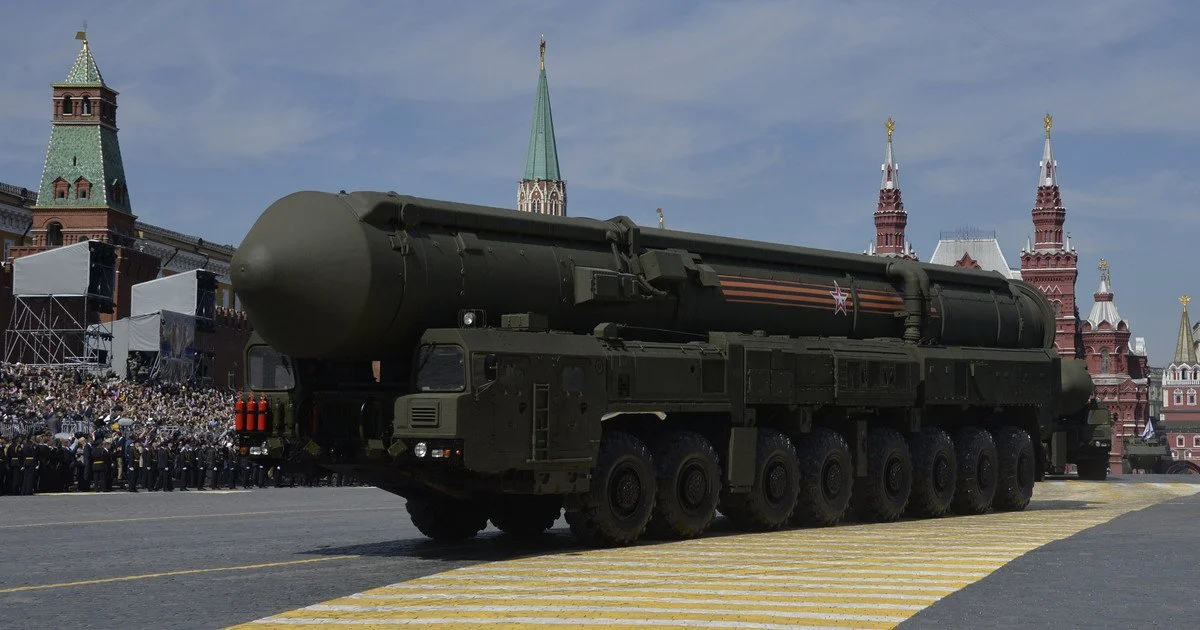 ANALYSIS FROM
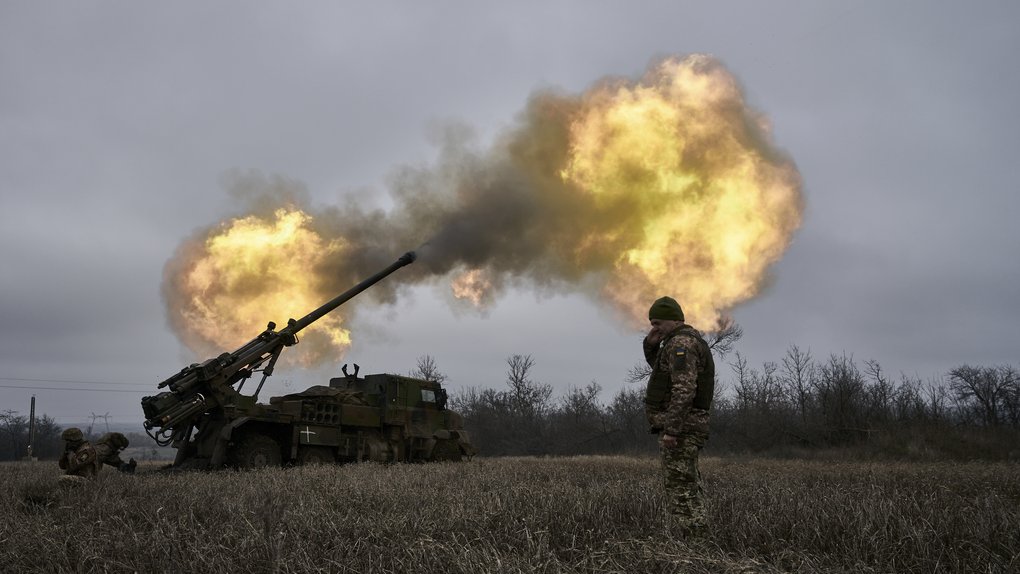
On the night of January 9, 2026, the Russian Federation carried out another massive air strike on Ukraine. Kyiv, the Kyiv region, and the Lviv region were hit. As in many previous cases, the key feature of this attack was not the military nature of the targets, but the systematic destruction of civilian infrastructure and residential buildings. This confirms once again that Russia is waging war not against the army, but against Ukrainian society as such, reports "Komersant Ukrainian".
The targets were not defense facilities, but people’s homes and critical infrastructure
The Air Force’s radio-technical troops detected and tracked 278 air attack vehicles — 36 missiles and 242 UAVs of various types. Eighteen missiles and 16 strike UAVs were recorded hitting 19 locations. The nature of the strikes indicates a deliberate choice of targets. In Kyiv and the Kyiv region, damage was recorded in residential areas, multi-story buildings, and the private sector. Entrances and roofs were damaged, windows were broken, and fires broke out in homes.
In total, about seven districts of Kyiv were affected. The most damage in the capital was on the left bank. Five people were killed and 25 were injured. The victims were civilians who had no connection to the military or military facilities.
At the same time, Russia struck critical infrastructure on which the lives of civilians directly depend: energy, water supply, and heating networks. Many areas of the capital are without electricity, water, and heat. In winter, such strikes are a form of energy terrorism.
Lviv region: an attempt to break the rear and civilian security
A separate target of the Russian Federation’s attack was the Lviv region, which for a long time remained a relatively safe rear for the civilian population and internally displaced persons. The very fact of the attack on this region sends a clear psychological message: there are no “safe zones” in war.
The strikes were directed at critical infrastructure facilities that have no military purpose but provide for the basic needs of civilians. This refers to the probable destruction of the Stryi gas field and underground fuel storage facility. This once again confirms the logic of Russian tactics: to destabilize the lives of civilians and undermine their sense of security even far from the front line.
The Air Force reported that Russia had struck Lviv with a long-range ballistic missile from the Kapustin Yar test site. According to monitoring channels, it was an Oreshnik missile.
Russia acknowledged the use of the Oreshnik and explained it as a response to Ukraine’s attack on Putin’s residence in Valdai, which in fact did not happen.
“Tonight, in response to the terrorist attack by the Kyiv regime on the residence of the President of the Russian Federation in the Novgorod region, carried out on the night of December 29, 2025, the Russian Armed Forces launched a massive strike… with the Oreshnik medium-range missile system… against critical targets on the territory of Ukraine,” the Russian Ministry of Defense said.
Ukrainian Foreign Minister Andriy Sybiga wrote that such a strike near the borders of the EU and NATO is a serious threat to security on the European continent and a test for the transatlantic community.
“Putin is using intermediate-range ballistic missiles near the borders of the EU and NATO in response to his own hallucinations — this is truly a global threat. And it requires a global response,” Sybiga wrote.
As of this moment, there is no information about casualties in Lviv and the region. According to preliminary information, civilian objects and residential buildings in Lviv were not damaged; the shelling targeted critical infrastructure.
All these factors directly indicate a violation of international humanitarian law. Targeted strikes on civilian facilities and peaceful people are not “collateral damage” — they are a deliberate strategy of terror.
What is known about the Oreshnik
The Oreshnik medium-range ballistic missile was created by “treacherous” violators of the 1987 Treaty on the Elimination of Intermediate-Range and Shorter-Range Missiles, writes Forbes.
Pentagon Deputy Spokesperson Sabrina Singh described the missile as a variant of the Russian RS-26 Rubezh ballistic missile, which is a 40-ton solid-fuel missile. And it belongs to two prohibited treaty categories.
“The missile is experimental. We know for sure that as of October, two prototypes were to be made, maybe a few more, but believe me, it’s a prototype, not yet in serial production, thank God,” Budanov said.
Russian President Vladimir Putin shared some information about the rocket in his statement.
He said that the missile was “non-nuclear hypersonic equipment” and that its warheads “attacked targets at a speed of Mach 10, which is 2.5-3 kilometers per second.”
The non-governmental organization Center for Arms Control and Non-Proliferation, in its brochure on ballistic nuclear missiles, cites a lower figure — 3,200 kilometers per hour, or almost 900 meters per second. However, it is also very difficult to shoot down warheads at such speeds.
Most likely, the Oreshnik was developed by the Moscow Institute of Thermal Technology (MIT).