Cash as a new form of insurance: cash circulation has increased in Ukraine due to rocket attacks and financial monitoring
9 February 18:17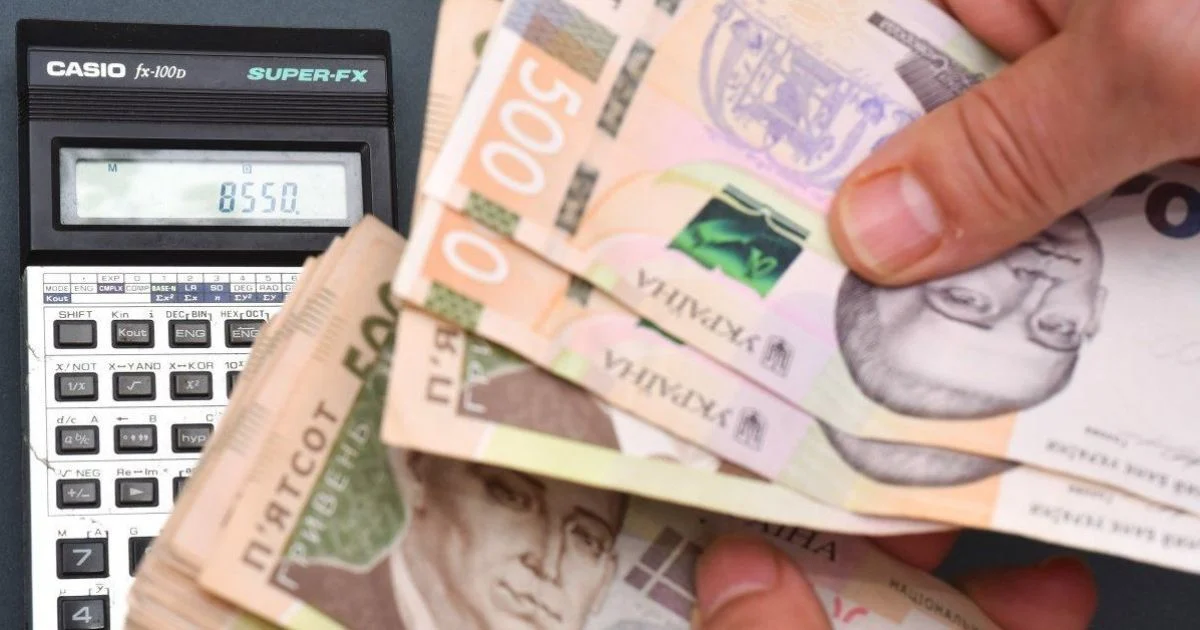
The amount of cash in Ukraine is increasing every year. Banks are sounding the alarm, but the situation in the country does not promote trust in financial institutions. The main reasons for this mistrust were examined by
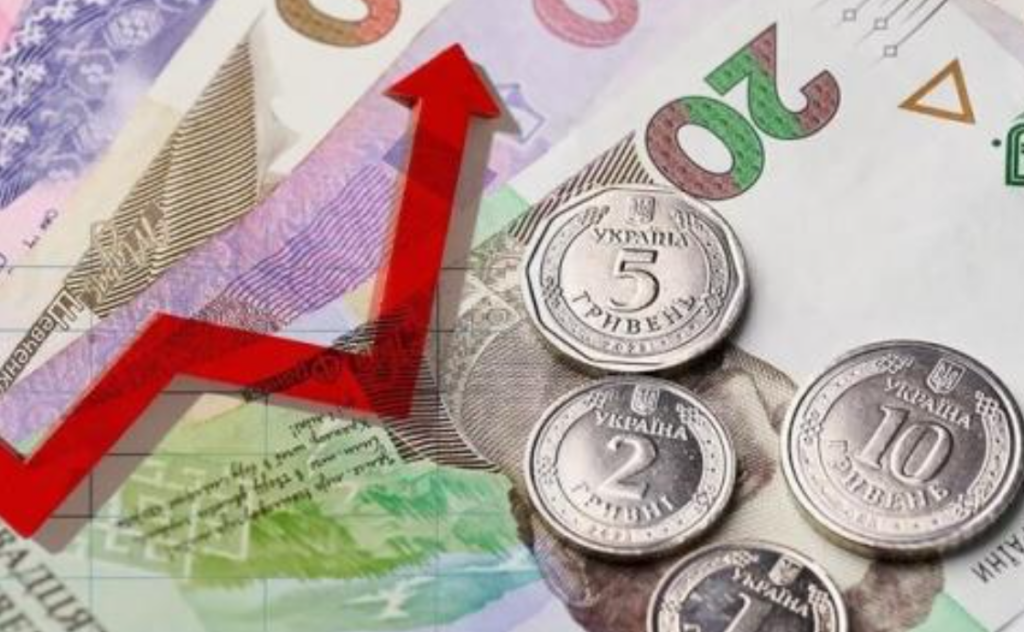
According to the National Bank, in 2025, the amount of cash increased by 12.6%, or 103.9 billion hryvnia, and as of January 1, 2026, reached 926.3 billion hryvnia. For example, in 2024, the increase was 7.6%.
There are currently 2.6 billion banknotes in circulation worth almost 917 billion hryvnia and 15.2 billion coins worth 9.3 billion hryvnia. On average, there are 64 banknotes and 193 coins per capita, and the most popular denomination remains 500 hryvnia, accounting for more than a quarter of all banknotes.
The National Bank of Ukraine notes that last year, the growth rate of cash accelerated (in 2024, the increase was 7.6%). The main reasons are the recovery of economic activity, growth in wages and social payments, steady consumer demand, and a slowdown in inflation. However, when compared to 2022, when the population was larger, the situation looks quite bleak, as there was 677.7 billion hryvnia in cash in circulation as of October 1, 2022.
Cash on hand is the key to success
Due to the risks of attacks on energy and other infrastructure, Ukrainians are more likely to stockpile cash. And this is one of the main reasons, as experts note.
First, due to prolonged power outages in many shops, cafes, and restaurants, and even in some pharmacies, bank terminals are not working due to the lack of electricity and internet, and only cash is accepted at the cash registers. It is impossible to withdraw cash from ATMs, which also do not work without electricity. Therefore, it is necessary to have cash on hand. In other words, bank cards are of no help in this situation.
“The amount you may need depends on your family’s expenses. If you spend a thousand hryvnia a day, you should have 30,000 hryvnia on hand for a month. It is advisable to have bills of different denominations, as you may not be able to get change from large bills,” notes
"Komersant Ukrainian" financial analyst Olga Dubinskaya.
Secondly, many Ukrainians have lost trust not only in bank cards, but also in bank accounts. After all, if you urgently need a certain amount of money, it is difficult to withdraw it. Electronic payments depend on electricity, the internet, and communication — everything that can disappear at any moment. It’s fine if the bank has electricity and communication, but what if it doesn’t?
“Some Ukrainians, especially after the recent shelling, which left their homes without heating, are ready to leave cold cities at any moment for places where there is electricity and heat, taking some of their savings with them. Landlords love cash, and not by accident,” the expert notes.
And this is the third factor — fear of financial monitoring. In 2025, 1.4 million transactions were subject to financial monitoring in Ukraine. Ukrainian banks check payments five times more actively than in European Union countries, and the number of blockages is growing by about 10% annually.
“Financial monitoring in 2026 applies to both individual entrepreneurs and individuals. For individuals, a year ago (since February 2025), people were allowed to make payments of 50-100 thousand per month. That is, it is easier for a citizen to withdraw money from an account in cash and hand it over to the person who needs it than to transfer it. And today, more than ever, many people have to make expensive purchases—generators, charging stations, and other gadgets that help them survive during power outages, heating outages, and so on,” notes Olga Dubinskaya.
Citizens try to make any purchases without going through banks, using cash, so as not to have their cards blocked if the transaction suddenly appears suspicious. There are already tens of thousands of such cases.
“And don’t forget that corrupt officials will not take the money they receive as bribes to the bank. Remember how much cash (though mostly in foreign currency) was seized from members and heads of military medical commissions, heads of territorial recruitment and social support centers, officials, and other “respected” people living on unearned income. And these people try to make their money work for them, or they try to invest it in real estate, land, or take it out of the country,” the expert emphasizes.
Insurance in case of an emergency
In other words, the more unstable the situation in the country, the more cash the population will have on hand. Therefore, this is not surprising. However, as economic expert Yuriy Gavrilechko notes, the entire money supply (and the National Bank of Ukraine has issued about one trillion hryvnia) cannot be in the hands of the people.
“Yes, today we can say that most Ukrainians no longer have the financial cushion they used to have. Only a few can afford to keep money under their mattresses or in bank deposits. The bulk of hryvnia in circulation—that is, everything that people receive—is spent immediately. Given that expenses have increased—prices in stores have risen, people are buying various gadgets necessary for survival in the absence of electricity, heating, the internet, and so on,” says Yuriy Gavrilechko.
And, as the expert notes, about 70% of Ukrainians’ money is in term accounts. This includes salaries, for example, of military personnel, pensions — anything that has not been withdrawn from cards. And only half a percent of citizens have deposits.
In the situation the country finds itself in, having cash on hand is insurance in case of an emergency. And there is nothing surprising about that.
Author: Alla Dunina