Humanoid robots for the warehouses of the future: Amazon has signed a new deal
25 March 20:16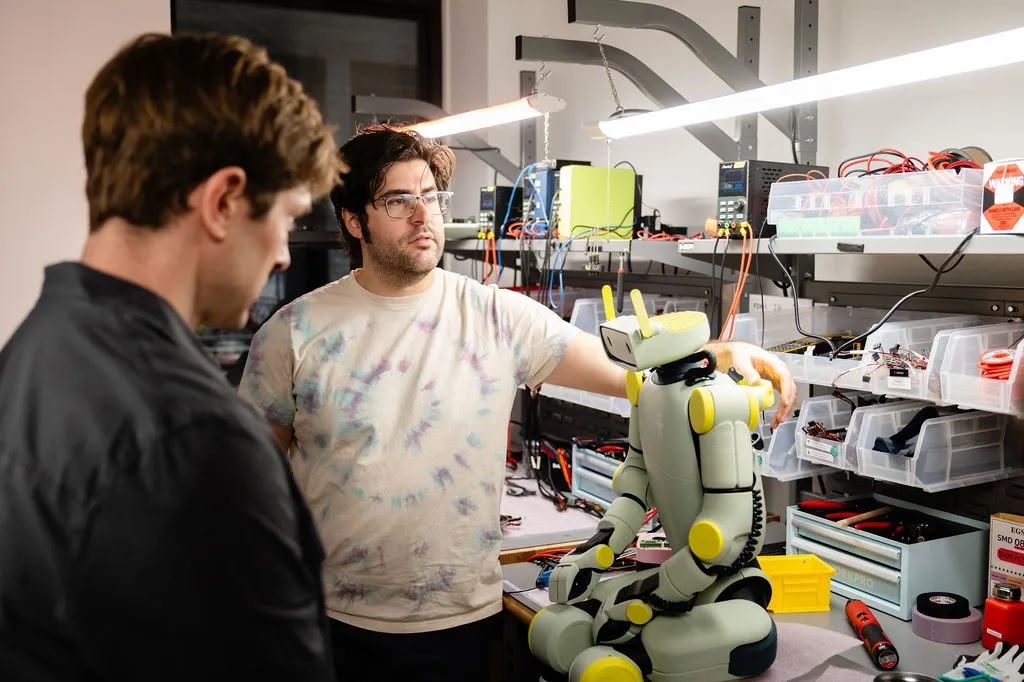
The American technology company Amazon has acquired the startup Fauna Robotics, which develops child-sized humanoid robots. This was reported by TechCrunch, according to "Komersant Ukrainian".
This is Amazon’s second acquisition in the robotics sector in March, indicating the company’s active expansion into automation and artificial intelligence.
What is known about the startup’s robots
Fauna Robotics’ flagship product is the Sprout robot, which stands approximately 107 centimeters tall.
This humanoid robot is capable of:
- dance;
- interact with people;
- wave its hand;
- give a high-five;
- hold various objects.
According to the developers’ vision, these robots are designed to be friendly, safe, and suitable for everyday use.
The startup’s CEO, Rob Cochrane, stated that joining Amazon opens up new opportunities for the technology’s development.
The startup’s team will join Amazon
Once the deal is finalized, approximately 50 Fauna Robotics employees will join the
.
They will work on the further development of humanoid robots and the integration of these technologies into the company’s products.
Second robotics deal in a month
Earlier in March, Amazon also acquired the Swiss startup Rivr.
This company develops autonomous delivery robots capable of:
- deliver packages;
- navigate through the city;
- climb stairs, making them suitable for urban delivery.
One Million Robots in Amazon’s Network
According to the company, from 2012 to 2025, Amazon manufactured and deployed over one million robots across its operational network.
The main goal of automation:
- to simplify employees’ work;
- to increase order processing speed;
- to improve logistics efficiency.
Next-generation robotic warehouses
In 2024, Amazon opened a next-generation fulfillment center.
At this facility:
- eight different robotic systems are in operation;
- robots assist employees in picking and shipping orders;
- the complex covers an area roughly equivalent to 55 football fields.
In this way, the company continues its push toward large-scale automation of its logistics infrastructure.