Import dependence and higher chicken prices: what’s happening in the poultry market
24 March 18:48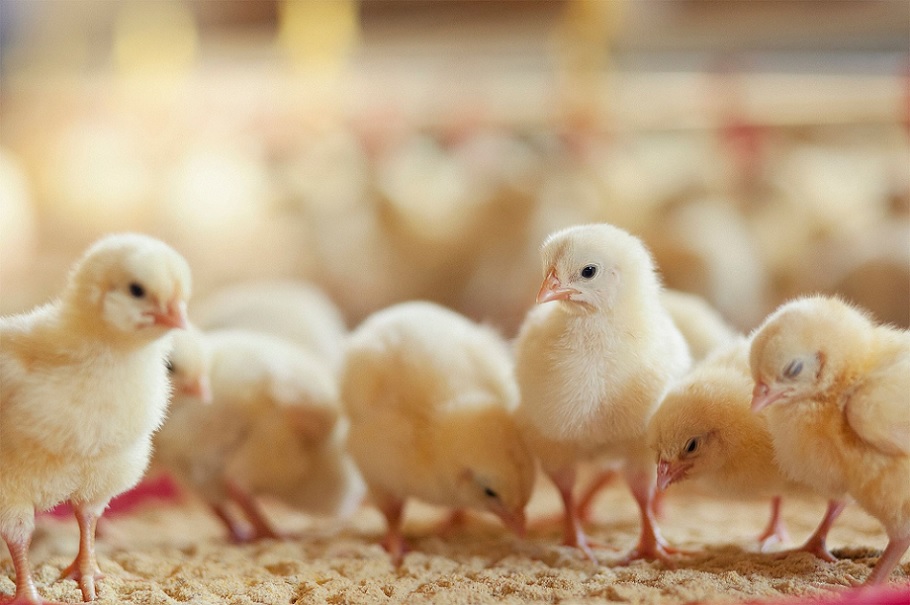
Serhiy Karpenko, Executive Director of the Ukrainian Poultry Farmers’ Union, stated that no shortage of day-old chicks is expected in Ukraine in the near future, despite the industry’s reliance on imports of breeding stock from the European Union. He made these remarks in a comment to "Komersant Ukrainian".
According to him, last year’s market disruptions were linked to outbreaks of avian influenza in European countries, which affected parent flocks.
Why the shortage occurred
Karpenko explained that Ukraine is completely dependent on imports of day-old chicks, which come mainly from EU countries.
That is why the situation on the European market directly affects Ukrainian producers.
Last spring, the shortage of day-old chicks was caused by:
- losses of breeding flocks in Europe;
- outbreaks of avian influenza;
- a reduction in the production of hatching stock.
This year, according to an industry representative, there has been no significant impact of seasonal avian influenza on parent flocks, so a repeat of the shortage is unlikely.
Read us on Telegram: important topics – without censorship
Chicks have become significantly more expensive
At the same time, prices for day-old chicks have risen significantly over the past year:
- broiler breeds have risen in price by approximately 40%;
- laying breeds—by approximately 25%.
According to Karpenko, this is a result of the reduction in the breeding flock in the European Union last year.
How this affects prices
The rise in chick prices affects the production cost of poultry meat and eggs, but does not determine the final product price.
Karpenko explained that market prices are shaped by several factors:
- the population’s purchasing power;
- demand for products;
- the overall situation in the food market.
The main problem is not production
According to a representative of the Ukrainian Poultry Farmers’ Union, the key challenge for the industry right now is not a shortage of chicks, but a decline in demand for products.
“Today, the problem is not a shortage of chicks; the problem is that there is no one to consume the produced goods,” Karpenko noted.
Watch us on YouTube: important topics – without censorship