Incident involving Oschadbank employees: Hungarian intelligence services may have used a “sedative” during the interrogation of a cash collector
20 March 20:20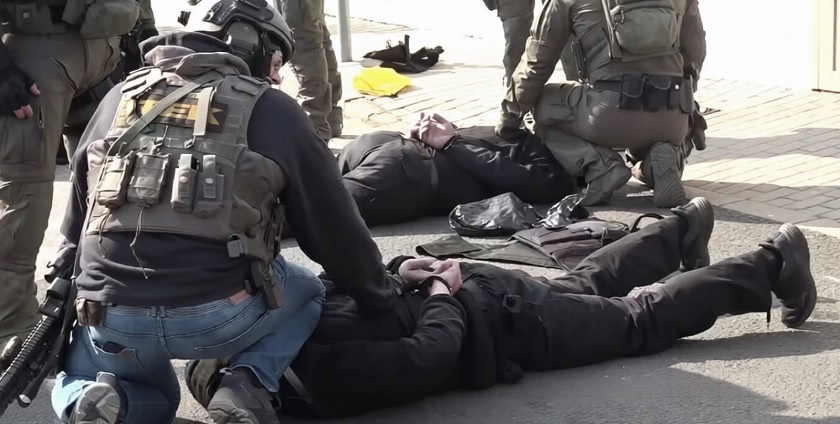
Ukrainian intelligence agencies claim that one of the Oschadbank cash-in-transit employees detained in Hungary may have been forcibly injected with a drug intended to influence his behavior during questioning.
This was reported by The Guardian, citing sources in the Security Service of Ukraine, according to "Komersant Ukrainian".
What Ukrainian sources are saying
According to sources in the Security Service of Ukraine, one of the detained Ukrainians was forcibly injected with a drug that has a relaxing effect.
According to them, the drug could:
- weaken psychological resistance during interrogation;
- make the person more willing to talk;
- affect the detainee’s behavior.
Upon returning to Ukraine, blood tests allegedly showed traces of this drug.
Ukrainian sources described these actions as “Russian-style,” comparing them to the practices of so-called “truth serums” used by the secret services during the KGB era.
What is known about the detainee’s condition
Earlier, the Ukrainian Ministry of Foreign Affairs stated that the injection was administered to a man with diabetes.
After the drug was administered:
- his blood sugar level rose sharply;
- he developed hypertension;
- he had to be hospitalized.
The Ukrainian side emphasizes that the collector refused medical intervention, but the drug was administered by force.
Conditions of detention for Ukrainians
According to the Ministry of Foreign Affairs of Ukraine, harsh methods were used against Ukrainian citizens during their detention in Hungary.
Among the reported violations:
- 28 hours in handcuffs;
- transportation while blindfolded;
- psychological and physical pressure;
- refusal to allow testimony in the Ukrainian language;
- ignoring the lawyer’s requests for legal protection.
How the scandal began
The incident occurred on March 5.
Oschadbank reported that two cash-in-transit vehicles and seven bank employees had been detained in Budapest.
GPS data revealed that the vehicles were located:
- in the city center
- near the premises of the Hungarian Counter-Terrorism Center.
What the cash transport vehicles were carrying
According to the bank, the vehicles were transporting:
- $40 million
- 35 million euros
- 9 kg of gold
The cargo was transported under an agreement with Raiffeisen Bank International.
The bank claims that the transport was carried out in accordance with international rules and EU customs procedures.
Hungary’s Position
According to Hungarian authorities, the detention was linked to suspicions of money laundering.
Hungary’s National Tax and Customs Administration stated that a retired general of the Ukrainian special services may have been among those detained.
Hungarian Foreign Minister Péter Szijjártó suggested that large sums of cash may have been transported on behalf of the “Ukrainian military mafia.”
Ukraine’s Response
Ukrainian Foreign Minister Andriy Sibiga called the incident “a de facto hostage-taking and theft of money.”
The Ukrainian side also stated that it may impose sanctions against individuals involved in the detention of Ukrainian citizens.
How it all ended
On the evening of March 6, Hungary released all seven Oschadbank employees.
However:
- the cash transport vehicles
- and the bank’s valuables
remain on Hungarian territory, keeping tensions high between Kyiv and Budapest.