Iran will charge a fee for passage through the Strait of Hormuz during the ceasefire: how this will affect the markets
8 April 13:18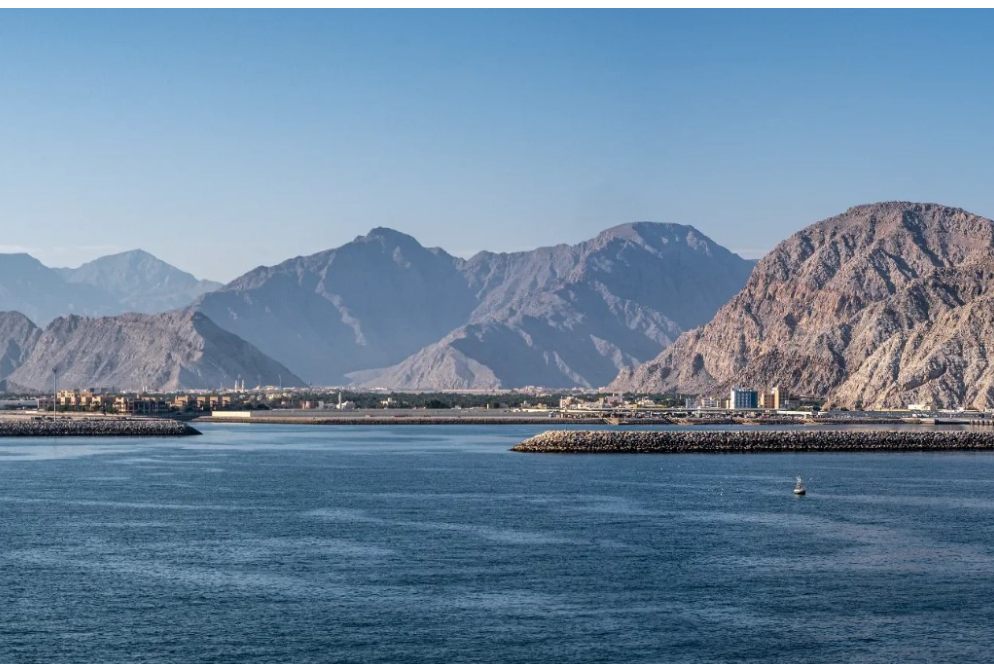
During a two-week ceasefire with the United States and Israel, Iran intends to charge fees to ships passing through the Strait of Hormuz. According to the Associated Press, this condition is part of a new agreement, and Iran and Oman will be able to collect the fees. Against this backdrop, the Strait of Hormuz, traditionally considered an international waterway, is effectively transitioning to a controlled passage regime, reports "Komersant Ukrainian"
What exactly happened
Following the announcement of a two-week ceasefire between the U.S. and Iran, it became clear that the terms of de-escalation entail not only the resumption of shipping through the Strait of Hormuz but also a new financial mechanism. The Associated Press, citing a regional official, reported that Iran and Oman will be able to charge fees to ships passing through this maritime artery during the truce.
Reuters also reports that Iran is proposing to introduce tolls for passage through the Strait of Hormuz as part of a peace agreement following the conflict with the U.S. and Israel. According to the agency, the amount of the fees may depend on the type of vessel and cargo, and Tehran is working with Oman on a separate protocol for licensing passage.
Why this matters
The Strait of Hormuz is one of the world’s most critical energy routes. About one-fifth of the world’s maritime oil shipments pass through it. That is why any restrictions or new rules regarding passage through this strait immediately impact the oil market, logistics, fuel prices, and global trade.
Before the war, passage through the Strait of Hormuz did not involve separate transit fees, as it was considered an international waterway. Reuters notes that international maritime law does not allow coastal states to simply charge fees for transit through an international strait, although certain service fees are permissible.
What is happening with ships in the Gulf
Despite the partial reopening of the strait, the situation in the region remains tense. According to Bloomberg, citing Kpler, more than 800 ships are waiting to leave the Persian Gulf. A significant portion of these are tankers carrying crude oil and petroleum products, as well as gas carriers and cargo ships with other goods.
The International Maritime Organization previously reported that approximately 20,000 civilian seafarers remain in the Persian Gulf region, facing heightened risks and prolonged delays. This situation has become not only a logistical and energy issue but also a humanitarian crisis.
How Iran Explains the New Fee
According to the AP, Iran may direct funds from the new fee toward reconstruction. Meanwhile, Reuters notes that Tehran is using the Strait of Hormuz issue as a lever for political and economic influence within broader post-war negotiations.
Iran also states its intention to coordinate safe passage through the Strait of Hormuz with its armed forces. This means that even under a formal ceasefire, shipping in the region will not return to the pre-war regime of free passage but will remain under heightened control.
How this affected the oil market
Following the announcement of the ceasefire , oil prices plummeted as markets saw an opportunity to reduce the risk of a major energy shock. At the same time, Reuters notes that the physical oil market remains strained, and there has not yet been a full return to normal traffic through the strait.
In other words, the market reacted positively to the de-escalation itself, but the new conditions for passage through the Strait of Hormuz mean that the threat to global logistics and energy has not yet disappeared.
What this means for the world
If the toll for passage through the Strait of Hormuz does indeed become the new rule, it could increase shipping companies’ costs, affect insurance, and raise the price of delivering oil, gas, and other cargo. The countries most vulnerable to such changes will be those that depend on energy supplies via the Persian Gulf.
Moreover, the very existence of such a mechanism indicates that Iran is attempting to secure political and financial control over one of the world’s major maritime corridors. This is precisely why the issue of the Strait of Hormuz remains central to the new Middle East crisis.