Iran has agreed to reopen the Strait of Hormuz: what is known about the agreement
8 April 06:55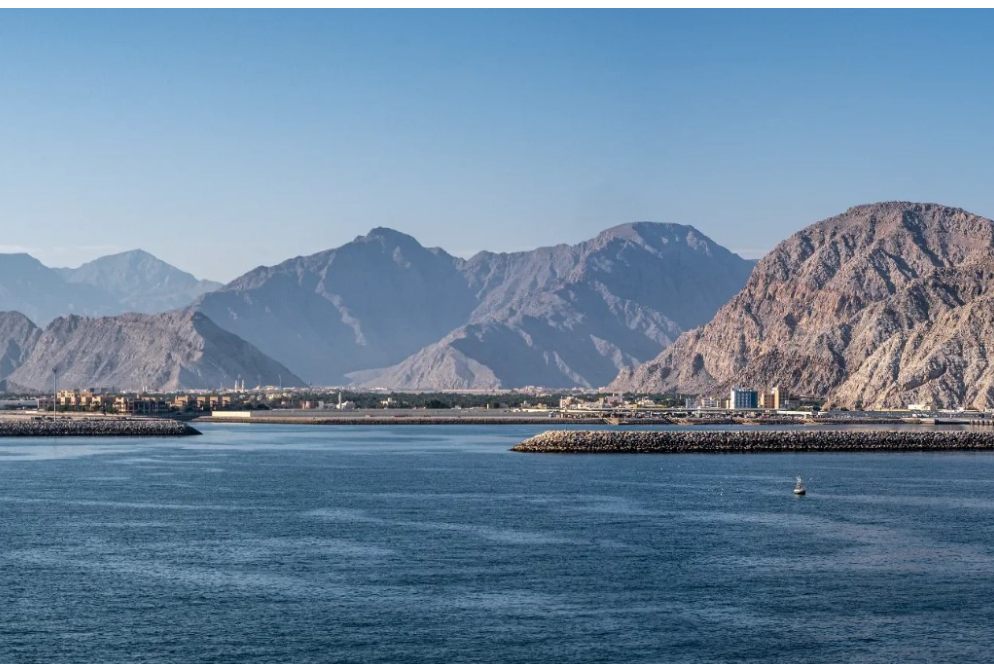
Iran has agreed to ensure safe passage through the Strait of Hormuz for two weeks as part of a new diplomatic agreement with the United States. This pause is part of a broader two-week ceasefire. Iranian Foreign Minister Abbas Araghchi announced this on the social media platform X, according to "Komersant Ukrainian"
The Strait of Hormuz is one of the world’s most critical energy routes, through which about one-fifth of global oil supplies pass. That is why any restrictions on shipping in this area immediately affect oil prices, markets, and the overall security situation in the Middle East.
What exactly happened
On the evening of April 7, the situation surrounding Iran escalated sharply following reports of U.S. and Israeli strikes on Iranian targets. At the same time, Donald Trump stated that he was prepared to suspend the bombing of Iran for two weeks if Tehran agreed to fully open the Strait of Hormuz and resume negotiations.
Following this, Iran announced through its official channels that it was ready to ensure safe passage through the strait for two weeks if the strikes on the country were halted.
“…I hereby declare on behalf of Iran’s Supreme National Security Council: If attacks on Iran cease, our powerful armed forces will halt their defensive operations,” the statement reads.
Araghchi stated that safe passage through the Strait of Hormuz would be ensured for two weeks, with maritime safety coordinated with the country’s armed forces and all technical constraints that could affect ship movement taken into account:
“Within two weeks, safe passage through the Strait of Hormuz will be possible thanks to coordination with the Iranian armed forces and with due consideration of technical constraints.”
Iran’s Foreign Minister expressed gratitude to Pakistani Prime Minister Sharif and Field Marshal Munir for their efforts to end the war in the region.
“In response to Prime Minister Sharif’s fraternal request, expressed in his tweet, and taking into account the U.S. request for negotiations based on their 15-point proposal, as well as the U.S. President’s announcement of accepting the general framework of Iran’s 10-point proposal as a basis for negotiations,” he noted.
What the U.S. and Iran Agreed Upon
According to Trump’s statement, the U.S. agreed to a two-week suspension of strikes against Iran in exchange for the full and secure opening of the Strait of Hormuz. The U.S. president also reported that he had received a 10-point proposal from Iran and considers it a suitable basis for further negotiations.
On the Iranian side, Foreign Minister Abbas Araghchi confirmed that Tehran is ready to halt its defensive operations if attacks on Iran are stopped. He also stated that safe passage through the Strait of Hormuz will be ensured in coordination with the Iranian armed forces for two weeks.
What role did Pakistan play?
Pakistan emerged as one of the key mediators in the new agreement. Prime Minister Shehbaz Sharif publicly called on the parties to a two-week ceasefire, and Reuters reported that it was Pakistani contacts that helped open a diplomatic window between Washington and Tehran.
In his statements, Trump directly referred to conversations with Shehbaz Sharif and Field Marshal Asim Munir, explaining why he agreed to postpone new strikes on Iran. The Iranian side also thanked Pakistan for its mediation efforts.
What the reopening of the Strait of Hormuz means
Iran’s decision means that over the next two weeks, the passage of ships through the Strait of Hormuz should resume under safer conditions. This is not only a matter of shipping but also an attempt to ease some of the tension in the global energy market.
At the same time, Iran has not abandoned its intention to maintain influence over the conditions of passage through the strait. According to Reuters and The Wall Street Journal, Tehran insists on the right to control the order of passage and is discussing the possibility of imposing fees on ships.
How the markets reacted
News of the two-week ceasefire and Iran’s intention to open the Strait of Hormuz triggered a sharp market reaction. According to the Associated Press, oil prices fell significantly, while U.S. stock futures surged amid reduced risk of a major disruption to energy supplies.
The explanation is simple: markets saw an opportunity to avoid a larger-scale war in the region of a key oil route. That is why the Strait of Hormuz has once again become the focus of attention not only for diplomats and the military, but also for global business.
Does this mean complete peace?
The current agreement does not mean a definitive end to the conflict. Reuters reports that Iran is setting its own conditions for a lasting peace, including a cessation of strikes, guarantees of non-aggression in the future, and discussions on compensation.
Even after the announcement of a two-week pause, Western media noted that the situation remains fragile, and the ceasefire is temporary and dependent on both sides adhering to the terms. Therefore, the reopening of the Strait of Hormuz is currently more a part of an interim de-escalation than a final resolution.
Why this news matters to the world
The Strait of Hormuz is one of the main maritime corridors for global oil and gas trade. Its blockage or even partial disruption immediately affects the energy security of many countries, oil prices, fuel costs, and global inflation.
That is why Iran’s announcement of its readiness to restore safe passage through the strait became one of the key international news stories on April 8. It is important not only for the Middle East, but also for Europe, the U.S., Asia, and the global economy as a whole.