Iran announces closure of Strait of Hormuz: what this means for global markets and oil prices
3 March 05:52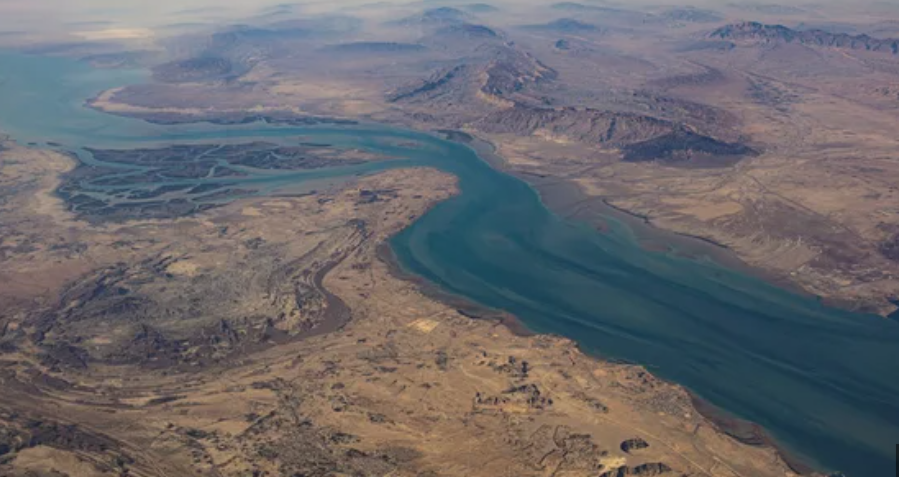
Iran has announced the closure of the Strait of Hormuz, a strategic sea route through which about 20% of the world’s daily oil consumption passes. This was reported by Reuters, according to "Komersant Ukrainian".
The statement was made by a representative of the Islamic Revolutionary Guard Corps (IRGC). According to him, the strait is now “closed,” and Iran will open fire on any vessel that attempts to pass through this route.
Tehran’s harshest warning
According to Reuters, IRGC commander advisor Ebrahim Jabari called this decision Tehran’s toughest warning in recent times.
Iran had already warned international shipping about the possibility of blocking the route, but the current statement effectively means a complete closure of this key transport artery.
Why the Strait of Hormuz is critically important
The Strait of Hormuz is a narrow sea passage between the Persian Gulf and the Gulf of Oman. It is used to transport oil and liquefied gas from Saudi Arabia, Qatar, the UAE, Iraq, and Kuwait.
About one-fifth of the world’s oil supplies are transported via this route. Therefore, any blockade automatically causes a sharp rise in energy prices.
Market reaction: prices are already rising
Against the backdrop of Iran’s statement, global oil prices continued to rise. Traders fear large-scale supply disruptions and further escalation of the conflict in the Middle East.
The day before, strikes by Israel and the US on Iran and Tehran’s response have already led to the temporary closure of a number of oil and gas facilities in the region.
What will happen to fuel in Ukraine
The Ukrainian fuel market depends on global oil prices and logistics supply routes. If the blockade of the Strait of Hormuz continues, it could:
- cause oil prices to rise;
- affect wholesale prices in Europe;
- push up the cost of gasoline and diesel in Ukraine.
Is military escalation possible?
The closure of a strategic sea route could provoke a harsh response from the US and its allies, as freedom of navigation is a key principle of international security.
For now, the situation remains tense, and markets are reacting with sharp fluctuations.