The case involving Oschadbank’s cash collectors in Hungary: Bereza raised concerns about a possible capital flight scheme
23 March 20:14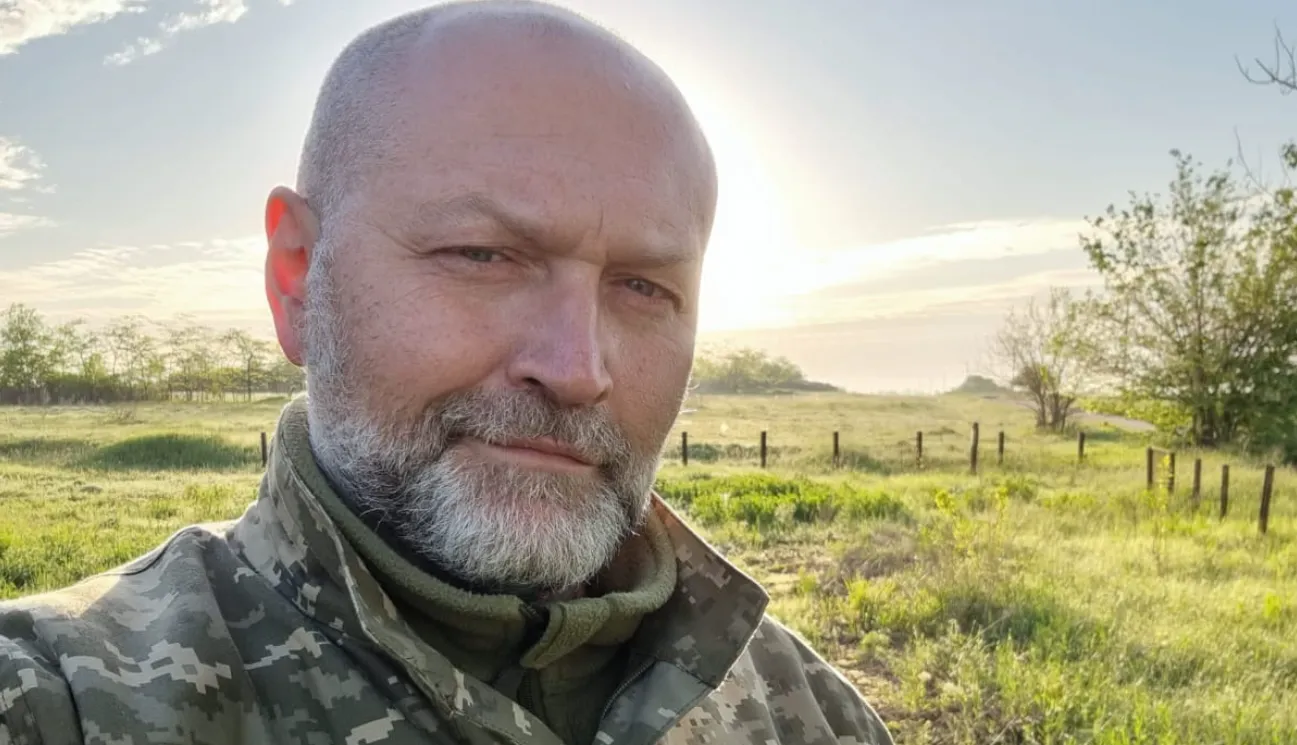 OPINION
Former Ukrainian MP Boryslav Bereza has revealed information about the possible use of cash-in-transit vehicles belonging to a Ukrainian state-owned bank to secretly transfer millions out of the country. According to him, a former head of the President’s Office, former law enforcement officials, and top officials from the National Bank may be involved in organizing the cash logistics. Borislav Bereza presented his version of events, citing unnamed sources in the banking sector, noting in his Facebook post that it is supported by a number of illogical facts, reports "Komersant Ukrainian".
Thus, as the politician points out, first, there is a specific European route taken by Oschadbank’s armored cash transport vehicles. According to the published account, the armored vehicles travel to Vienna (Austria), where they officially purchase foreign currency and gold from the local Raiffeisen Bank. The amounts cited as examples include 35 million euros, 40 million U.S. dollars, and 9 kilograms of gold. However, instead of returning directly to Kyiv, the cash collectors allegedly deviate from the route and stop in Serbia, where they may leave the purchased assets at local bank branches.
“With official documents in hand, they cross the border, where neither the Hungarian nor the Ukrainian side usually checks the actual presence of funds in the armored vehicle,” Bereza notes.
According to his information, after crossing the border in empty vehicles, once inside Ukraine, they may be loaded with other “shadow cash and gold in similar amounts,” which likely end up in the bank’s vault for official reporting purposes.
Berez highlights certain peculiar circumstances surrounding these trips. In particular, the odd number of cash collectors, even though instructions stipulate there should be four per vehicle.
Berez cites the difference in Oschadbank’s logistics compared to other financial institutions as his main argument.
“Why, out of the four market players (Oschadbank, PrivatBank, Raiffeisen Bank, and PUMB) that purchase cash from Raiffeisen Bank (Vienna), is Oschadbank the only one sending its cash collectors directly to Austria? The other three banks receive currency at the Hungarian-Ukrainian border, where the Austrian side hands over the cash to them directly,” he emphasizes.
According to Bereza, a special “supervisor”—a retired general—could play a key role in ensuring the security of “shadow shipments.”
The author of the post cites the numbers of presidential decrees concerning former OP head Andriy Yermak and ex-General Hennadiy Kuznetsov (who accompanied Oschadbank’s cash-in-transit vehicles and was detained by the Hungarians, – ed.):
“…on the same day, the president appoints both of you to positions: you, the so-called Ali Baba, as head of the Presidential Office, and that general as Ukraine’s representative in the working subgroup on humanitarian issues of the Trilateral Contact Group. The decree numbers are, respectively, No. 48/2020 and No. 51/2020.”
The former MP also claims that this former general has a history of corruption allegations and allegedly played a role in opaque deals regarding prisoner exchanges.
Separately, the politician notes the reaction of National Bank head Andriy Pyshnyy following reports of the arrest of cash collectors.
“Many were immediately surprised by the somewhat frantic activity of the NBU head—Andriy Grygorovych rushed to the media spotlight at least five times with hysterical outbursts. This looked a bit strange against the backdrop of the restrained, calm statement by Oschadbank Board Chairman Katsion,” Bereza believes.
According to the former MP, since the start of the full-scale invasion, the cash collection service controlled by the bank has already made more than 15 such trips to Vienna.
Hinting that he has even more data on this issue, Boryslav Bereza called on relevant anti-corruption agencies, particularly NABU, to verify the information he has disclosed.
“Oschadbank” in Hungary
The incident occurred on March 5. Oschadbank reported that two cash-in-transit vehicles and seven bank employees were detained in Budapest.
GPS data revealed that the vehicles were located:
- in the city center
- near the premises of the Hungarian Counter-Terrorism Center.
What the cash transport vehicles were carrying
According to the bank, the vehicles were transporting:
- $40 million
- 35 million euros
- 9 kg of gold
The cargo was transported under an agreement with Raiffeisen Bank International. The bank states that the transport was carried out in accordance with international regulations and EU customs procedures.
Hungary’s Position
According to Hungarian authorities, the detention was linked to suspicions of money laundering. Hungary’s National Tax and Customs Administration stated that a retired general of the Ukrainian special services may have been among those detained.
Hungarian Foreign Minister Péter Szijjártó suggested that large sums of cash may have been transported on behalf of the “Ukrainian military mafia.”
Ukraine’s Response
Ukrainian Foreign Minister Andriy Sibiga called the incident “a de facto hostage-taking and theft of money.”
The Ukrainian side also stated that it may impose sanctions against individuals involved in the detention of Ukrainian citizens.
How it all ended
On the evening of March 6, Hungary released all seven Oschadbank employees.
However, the bank’s armored vehicles and valuables remain on Hungarian territory, keeping tensions high between Kyiv and Budapest.