ISW: Attacks on Ukraine’s energy sector have two strategic objectives for the Kremlin
25 January 13:25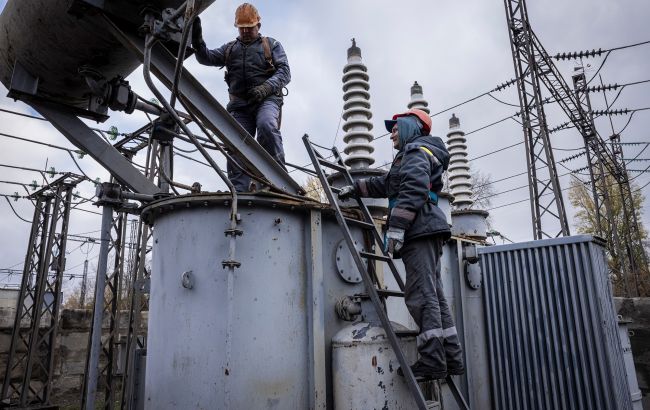
The series of Russian attacks on Ukraine’s energy sector is part of a broader campaign. It aims to freeze the country this winter and force it and the West to refrain from making political decisions that are beneficial to Russia.
This is stated in a report by the American Institute for the Study of War (ISW).
“Russia’s intensified campaign of long-range strikes against Ukrainian energy infrastructure during the fall of 2025 and winter of 2025-2026 has significantly deteriorated the state of Ukraine’s power grid,” the report says.
The Russians are striking energy infrastructure that is not near any military targets, and the occupiers are also preventing repairs to damaged facilities by launching drones over them.
Maksym Timchenko, head of DTEK, told Reuters that Russian strikes on DTEK’s energy infrastructure reduced DTEK’s total electricity production capacity by 60-70% and caused damage estimated at $64-70 billion.
Russia intends to undermine Ukraine’s electricity generation capacity and its ability to provide Ukrainians with heat in the middle of winter, in particular by attempting to split Ukraine’s energy network in half and create energy islands cut off from Ukraine’s electricity generation, supply, and transmission systems.
“Every autumn and winter, Russia launches a series of intensified strikes against Ukraine’s energy infrastructure. This is an attempt by Russia to undermine Ukraine’s energy security and industrial potential, as well as to demoralize the Ukrainian population. The Kremlin’s ongoing and intensifying campaign of long-range strikes against Ukraine is just one indicator of Moscow’s lack of interest in peace,” the ISW emphasized.
As a reminder, Russia began to intensify its strikes on Ukraine’s energy infrastructure during the fall of 2025 and the winter of 2025-2026.
With winter approaching, the Russians began to strike energy facilities almost daily, causing power outages in a number of regions.