The Releaf Paper case: why a green startup with an EU grant never made it to commercial production
14 November 2025 22:15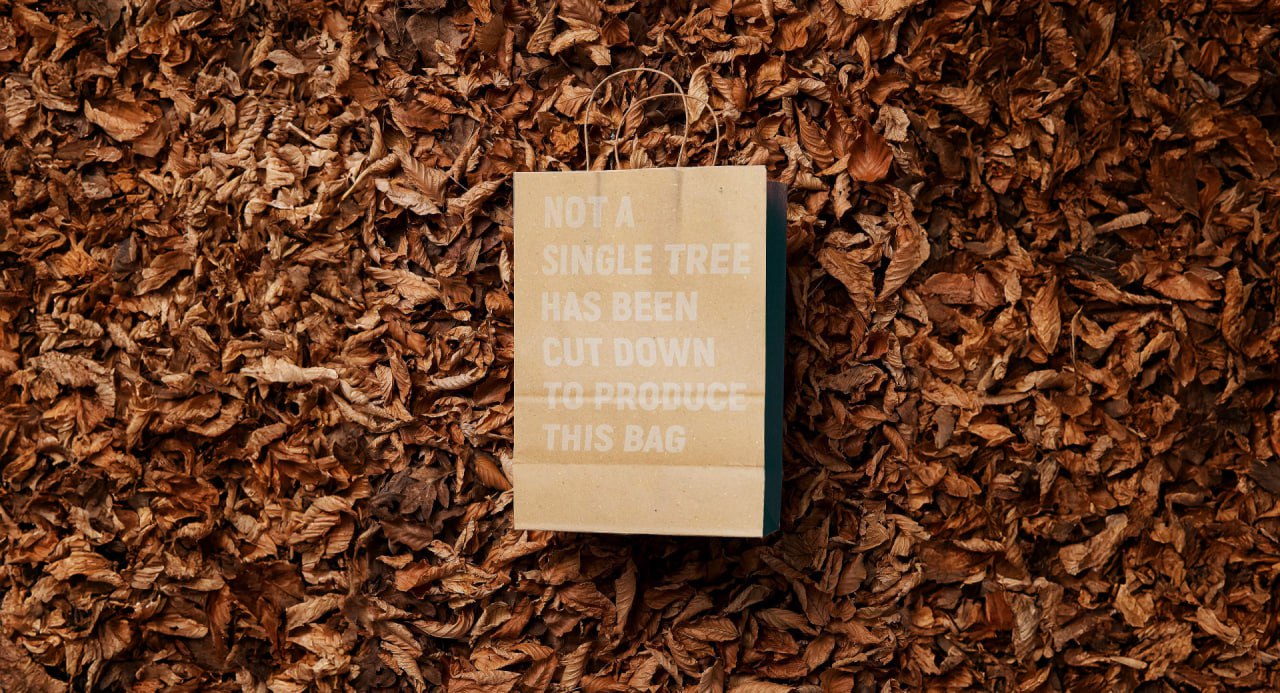
Ukrainian startup Releaf Paper, which promised to produce paper from fallen leaves and received a €2.5m grant from the European Commission for this purpose, has failed to implement its patented technology in commercial production. This is reported "Komersant Ukrainian" with reference to the material Forbes Ukraine.
As three former employees of the company told the media, the share of leaves in the finished product was only 10 – 20%, and the patented method itself was not used in practice. The former head of the company, Alexander Sobolenko, confirms such data.
It turned out that the patented method produced a semi-finished product that could not compete with wood paper in terms of quality or cost,” Sobolenko explains the reasons for the conflict with his partner.
According to him, the cost of the product grew 50 times.
Frechka’s technology, patented in 2019, involved chemical treatment of leaves to obtain non-wood pulp. Releaf Paper’s business model was built on this concept in 2020. However, full-fledged trials did not begin until after the EIC grant in 2022. During this period, manager Alexander Sobolenko joined the company to handle finance and investment raising, while Frechka was responsible for the technological part. In September 2025, Frechka returned to the position of president, while Sobolenko left the company amid a corporate conflict.
According to Sobolenko, the patented method turned out to be unprofitable: the resulting semi-finished product could not compete with wood paper in terms of quality or cost. The cost of raw materials increased tenfold. Frechka replies that the technology was adapted to French law because using chemicals and electricity above a certain threshold would have required permits that would have taken longer to obtain than the grant allowed. The method was therefore modified, and in 2024 Frechka secured a new patent stipulating the use of a minimum of 10% leaves.
The actual production capacity of the pilot line in France turned out to be much lower than stated. Instead of the promised 10,000 tons of pulp per year, the line could only produce about 200 tons of pellets. Frechka confirms this figure, noting that he tried to gradually improve the technology between 2023 and 2025. In August 2025, he managed to produce 50 kg of fiber, which he sent to potential partners after receiving preliminary letters of intent. In parallel, he began discussing cooperation with European technology centers, believing that launching a large plant without significant investment would be a mistake.
The conflict between the founders deepened due to differences in approach. Sobolenko argues that Frechka guided development based on laboratory insights rather than industry standards and resisted bringing in an experienced technical director. He says the company created the illusion of a finished technology and lost investor confidence. Frechka, in turn, claims that the partner gave an ultimatum to terminate the project or leave, which he could not agree to.
According to the media, the story of the conflict repeated itself with Frechka’s first partner Andrei Vartsaba. Their cooperation lasted a year and ended with mutual claims about unfulfilled obligations and control over intellectual property. Later, Frechka created a new legal entity and sold a 25% stake to Sobolenko. The parties are now discussing his exit from the project. Despite the difficulties, Frechka maintains that the technology is advancing and the company is moving to a model of producing finished products rather than raw materials.
Read us on Telegram: important topics – without censorship