Epiphany Eve: traditions of the holiday
5 January 00:21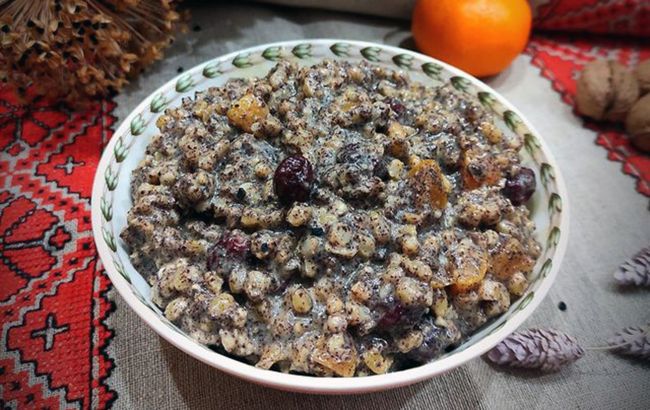
On Monday, December 5, Epiphany Eve is celebrated, which precedes the important feast of Epiphany. Because of this, Epiphany Eve is often called Epiphany Night, and popularly known as Hungry Kutia.
What not to do on Epiphany Eve, as well as the traditions of this holiday, are discussed in "Komersant Ukrainian".
Why Epiphany is celebrated
Since Epiphany Eve is celebrated on the eve of Epiphany or Jordan, the events of the Epiphany described in church books were remembered on this day.
The second Christmas Eve was a time of preparation for the main holiday and, in some regions, the last day of caroling and caroling. Epiphany Eve, like other holidays of the Christmas cycle, was characterized by celebrations and obligatory traditions.
What are the traditions of Epiphany Eve?
The traditions and customs of Epiphany have a lot in common with the celebrations of Christmas Eve. However, some characteristic rituals and beliefs are associated with the next day – the feast of Epiphany.
Cleaning the house
It was believed that celebrating in an unclean house could ward off happiness and harmony. In addition, on Epiphany, one should not do housework, as it is a manifestation of disrespect for this day. Therefore, on the day of Epiphany, they tried to do all the housework before dark.
Blessing of water
On Christmas Eve, the eve of Epiphany, water is blessed in churches. It is believed that water blessed on the eve of Epiphany is no less healing than the next day.
Then, as a rule, water was sprinkled on relatives, as well as in the corners of the house and around the house. Blessed water was not used for domestic purposes.
Earlier, ancestors used to decorate dishes for liquids with dried flowers, such as cornflowers or immortelle. It was an additional kind of amulet against evil spirits.
In Podillia, there was also a custom to bake three pies, which the youngest boy in the family had to bite during the consecration of the house. The first pie was bitten when the hayloft was blessed, the second when the barn was sprinkled, and the third outside.
Fasting
During the Epiphany Eve, people observe a strict fast, just like on Christmas Eve. For the ritual dinner on this day, they cooked lean dishes such as dumplings with cabbage, fish, buckwheat pancakes, as well as kutia and uzvar.
A ritual meal
On Christmas Eve, on the eve of Epiphany, people would sit down to a festive table when the first evening star appeared in the sky. A special place belonged to kutia: the meal was started with it and then taken out to the chickens for better fertility.
Drawing crosses
In some regions of Podillia and Polissia, it was customary to draw crosses on the windows and doors, as well as on the walls of the house on Epiphany. According to beliefs, this prevented evil spirits from entering the house.
Chalk or dough made from flour and holy water was used to draw the amulets.
Caroling
On the Second Christmas Eve, people used to go out to give money, a custom observed in Galicia. The carolers carried hazel branches with them, which were considered a talisman against evil.
The branches were given to the owner of the house, and he poured out oats to the generous people for a good harvest.
The main prohibitions of this day
On the eve of Epiphany, one should not quarrel, fight, or think badly of anyone, because on Christmas Eve harmony and peace should reign, and then the whole year will be successful.
You cannot do heavy work – it is disrespectful to the holiday. Also, you cannot bless water with bad thoughts – the liquid will lose all its healing properties.
In addition, according to folk beliefs, on Epiphany Eve, you should not call chickens loudly – someone evil can jinx poultry.