When Ukrainians will be able to have two passports: the Ministry of Unity has set a date
6 May 2025 14:45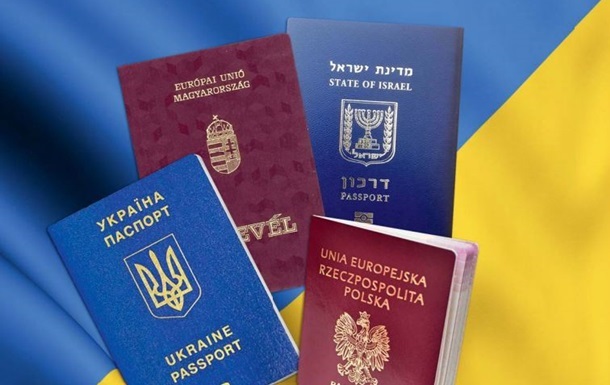
Minister of National Unity Oleksiy Chernyshov said that the draft law on multiple citizenship in Ukraine is to be finalized by the end of this year. He said this in an interview with the Italian newspaper La Repubblica, "Komersant Ukrainian" reports
According to the minister, the introduction of dual citizenship will help unite Ukrainians both in Ukraine and abroad.
After the relevant law is passed, Ukrainians with multiple passports will be able to enjoy the same rights as citizens permanently residing in Ukraine, including the right to vote.
However, answering a question about the diaspora’s participation in the upcoming presidential election, Chernyshov noted that this issue has not yet been finalized.
“It will take a lot of time to implement this mechanism: you need to go through a certain procedure and prove the fact of residence in Ukraine,” the minister explained.
Under current law, Ukraine does not recognize other citizenships of its citizens. In fact, many Ukrainians currently living abroad have already obtained or plan to obtain the citizenship of their host countries in the future.
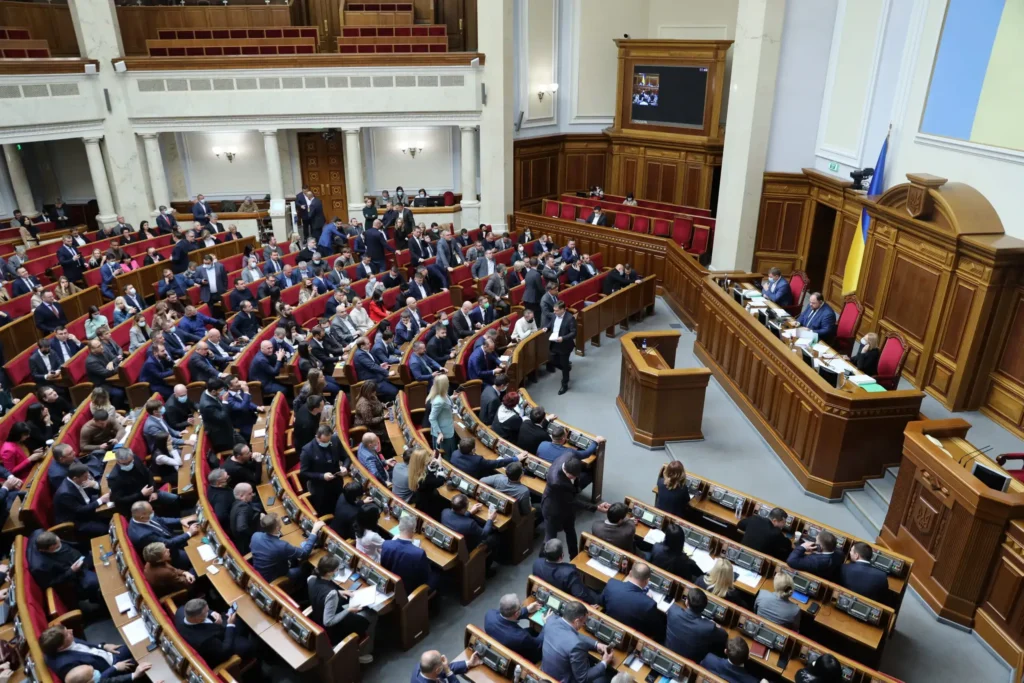
on January 22, 2024, the President submitted a bill on multiple citizenship to the Verkhovna Rada.
In December 2024, the Rada supported the draft law No. 11469 on multiple citizenship as a basis.
What does the bill provide for?
- The introduction of multiple citizenship and simplification of the acquisition of Ukrainian citizenship for citizens of countries from a special list (established by law)
- Termination of Ukrainian citizenship for persons who have voluntarily acquired the citizenship of the aggressor state or other countries outside the list
- Simplified process for foreigners who fought for Ukraine.
What is multiple citizenship?
Multiple citizenship (multipatriotism) is a citizenship status in which a person is consistently recognized as a citizen of two or more countries under the laws of those countries. It is assumed that states enter into a bilateral agreement with each other in which they mutually recognize the status of a person with two passports, his or her rights and obligations.
In some countries, a distinction is made between a person’s citizenship, which is more related to participation in the domestic political life of the country, and nationality, which refers to the international status of a person. Although multiple citizenship gives certain preferences to its holders, there may be conflicts of law, for example, in the performance of military and other duties under the laws of individual countries.
Multiple citizenship is permitted in most countries, but the rules and conditions may vary considerably. Most European countries recognize multiple citizenship. For example, France, Germany, Sweden, and the United Kingdom allow citizens to hold multiple passports. The exceptions are Austria and Estonia, which have strict restrictions, although there are exceptions in certain circumstances.
America also generally supports dual citizenship. The United States, Canada, Mexico, Brazil, and Argentina allow multiple citizenships without significant restrictions.