Conflict with the US escalates: Iran declares control over oil flows
10 March 11:57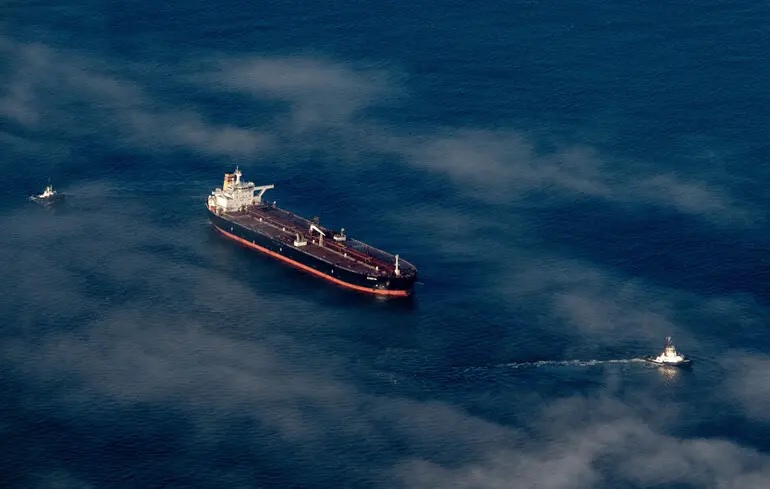
Iran is considering introducing special “security fees” for oil tankers and merchant ships belonging to US allies passing through the Persian Gulf.
This was reported by CNN , citing a source familiar with the plans of the Iranian leadership, according to "Komersant Ukrainian".
According to the channel’s interlocutor, Tehran may use its control over the key sea route to influence global energy prices.
Tensions around the Strait of Hormuz
At the center of the conflict is the Strait of Hormuz, a strategic maritime corridor between Iran and Oman that connects the Persian Gulf with the Indian Ocean.
About one-fifth of the world’s oil exports pass through it, making the strait one of the most important energy routes in the world.
According to the source, despite President Donald Trump’s statements, the strait remains effectively closed.
The position of the Iranian military
Sardar Naini, a representative of the Islamic Revolutionary Guard Corps, said that the Iranian armed forces would not allow US allies to export oil from the region.
At the same time, Tehran claims that European and Arab countries can get free passage through the strait if they expel US and Israeli diplomats from their countries.
US reaction
US President Donald Trump warned that if oil supplies through the Strait are blocked, Washington could strike Iran with force “20 times stronger.”
He also noted that blocking the route would be beneficial to China and other countries that actively use this sea route to supply energy.
Preconditions for escalation
The situation began to escalate after the US and Israel launched strikes on Iranian territory on February 28.
In response, Iran fired on US military bases in:
- Bahrain
- Qatar
- Kuwait
- United Arab Emirates
Missile strikes were also carried out on Israeli territory.
Market reaction
Amid the tensions, tanker traffic through the Strait of Hormuz has declined sharply.
Some shipping companies have already:
- changed their routes;
- suspended voyages due to the risk of attacks.
Financial markets reacted quickly — on March 9, global oil prices exceeded $100 per barrel for the first time in almost four years.