Conflict in the Middle East: IMF warns of major economic risks
9 March 23:19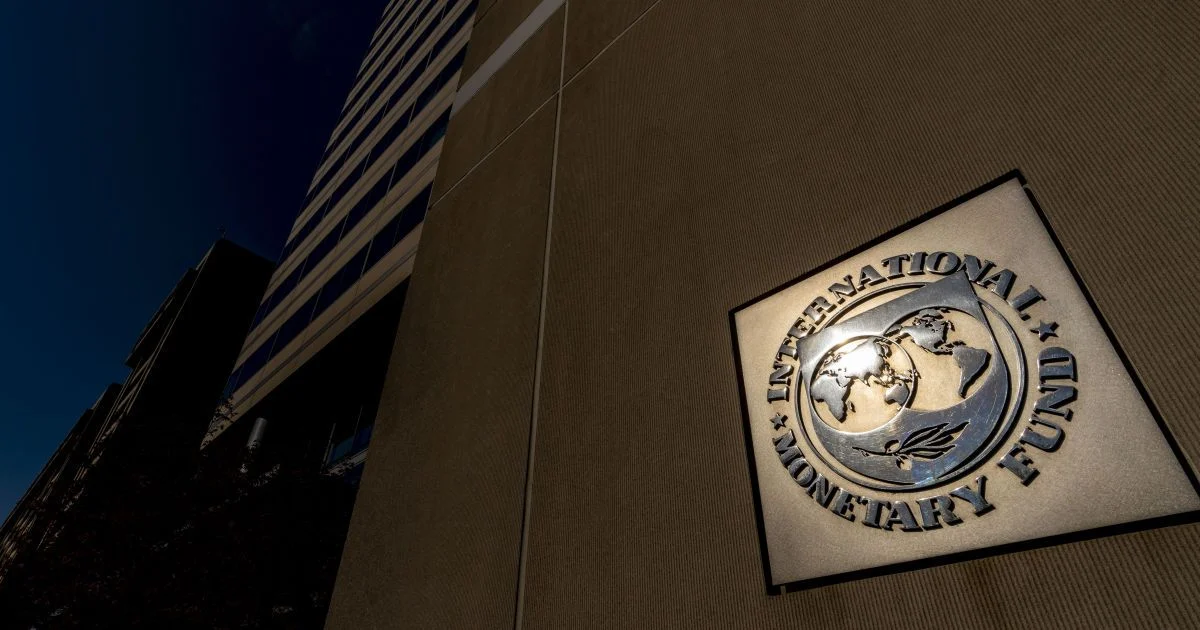
Managing Director of the International Monetary Fund (IMF) Kristalina Georgieva said that prolonged hostilities in the Middle East could seriously affect market sentiment, economic growth, and inflation, creating new challenges for policymakers.
This was reported by "Komersant Ukrainian" with reference to Bloomberg.
“If the new conflict proves to be protracted, it has clear potential to affect the market, growth, and inflation, placing new demands on policymakers,” Georgieva said at a symposium in Tokyo.
According to her, the consequences may continue even after the conflict ends, highlighting the prospect of further uncertainty. Georgieva called on governments to prepare for the “new normal” and strengthen domestic political and economic institutions.
These comments came amid a sharp rise in oil prices. On Monday, the price of a barrel of crude oil reached $120, after which it partially corrected amid the escalation of the conflict and a reduction in the capacity of the Strait of Hormuz.
About one-fifth of the world’s oil and LNG supplies pass through the strait, including half of Asia’s oil imports and a quarter of LNG supplies, Georgieva said.
US President Donald Trump responded to the price surge in an evening post on Truth Social, calling the short-term fluctuations “a very small price” and adding that prices would fall “when the destruction of the Iranian nuclear threat is complete.”
Georgieva also outlined the potential economic consequences. She estimates that a 10% increase in energy prices over the course of a year will add 40 basis points to global inflation and slow economic growth.
She called on policymakers to invest in strong institutions and stable policy frameworks to increase economic resilience and make effective use of policy space in the event of shocks.
It is noted that the consequences could be particularly critical for Japan, which depends on the Middle East for about 90% of its oil imports. According to Georgieva, the combination of rising oil prices and a weak yen increases the risk of stagflation and could force the government to increase budget spending, while complicating central bank policy.