Kopytin responded to Tymoshenko’s statements about cooperation with NABU: what is known
17 January 07:50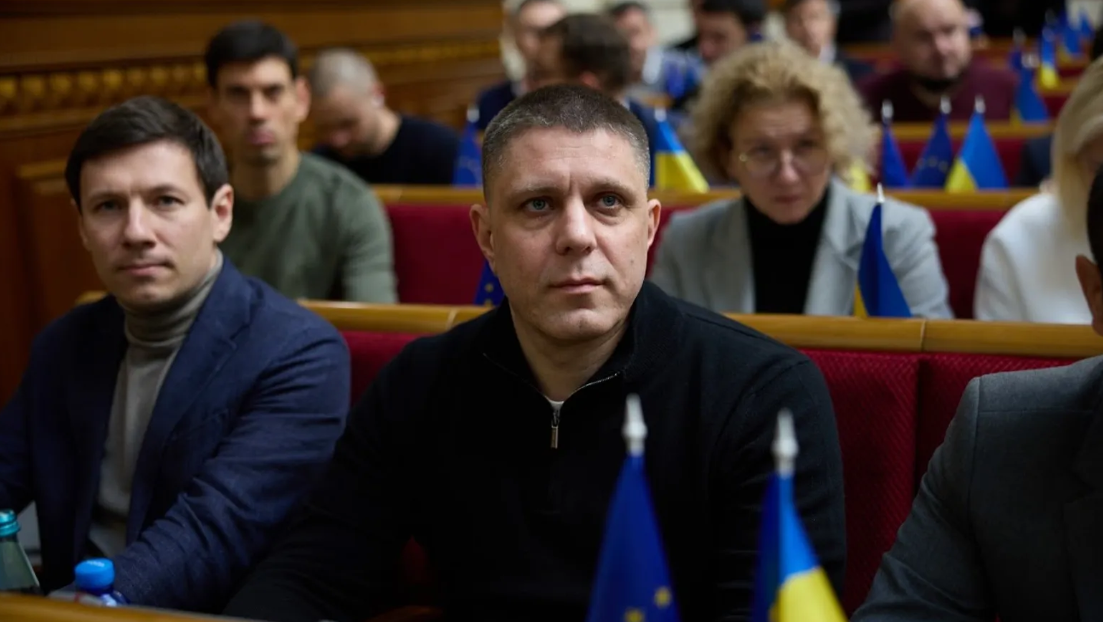
Igor Kopytin, a member of parliament from the Servant of the People faction, publicly denied accusations made by Yulia Tymoshenko, leader of the Batkivshchyna party, who claimed that he was allegedly cooperating with the National Anti-Corruption Bureau of Ukraine against her. Kopytin posted his response on his Telegram channel, according to "Komersant Ukrainian".
What Ihor Kopytin said
The MP stressed that the accusations against him have no factual basis and are part of political manipulation.
“A number of statements, assumptions, and accusations against me have been circulating in the media recently, which are untrue and have no basis in fact. They are trying to drag me into political interpretations of procedural actions and events to which I have no connection,” Kopytin wrote.
He also stressed that he does not participate in political games and, as a matter of principle, does not comment on the actions of law enforcement agencies.
Where did the accusations come from?
During the VAKS meeting on January 16 , Yulia Tymoshenko stated that Ihor Kopytin, together with NABU, allegedly “compiled” recordings of conversations involving her. According to the politician, the MP is allegedly cooperating with the investigation in order to avoid criminal liability in another case.
In addition, Tymoshenko accused NABU of carrying out a “political order” aimed at discrediting her as the leader of the opposition faction.
At the same time, the court denied Tymoshenko’s defense team’s request to question Igor Kopytin in this proceeding.
What decision did the court make?
At the same hearing , the High Anti-Corruption Court imposed a preventive measure on Yulia Tymoshenko in the form of bail in the amount of approximately 33 million hryvnias. The politician had previously stated that her bank accounts were frozen, which, according to her, made it difficult to pay the bail.
“We want to destroy this majority,” — NABU tapes
On January 14 , NABU released audio recordings of conversations which, according to the investigation, are evidence of negotiations regarding such a scheme. The recordings feature a voice that, according to detectives, sounds like Yulia Tymoshenko’s.
Anti-corruption authorities say that these materials formed the basis for the notification of suspicion. At the same time, the final assessment of the evidence must be provided by the court.
The conversations on the NABU tapes suggest that the person with a voice similar to Tymoshenko’s is discussing the start of cooperation with a group of three MPs and directly explaining the motives.
The conversations are dated January 12, the day before the party’s office was searched.
In the recordings, both speak Russian. Tymoshenko, in particular, says that on the issue of personnel changes, her deputies only vote for removal from office, but do not vote for appointments. Also, Batkivshchyna deputies vote to include bills on the agenda, but do not vote on the documents themselves, in order to “kill” them.
What Tymoshenko says about the NABU accusations
The leader of Batkivshchyna refuted the NABU accusations, calling them unfounded and unproven. According to her, more than 30 detectives in full gear and armed came to the party’s office at 9:30 p.m. on Tuesday, January 13. The MP claims that she was alone in the office at the time, which did not even have security. According to her, law enforcement officers arrived at the party’s office in five buses.
She stated that NABU employees did not have search warrants with them.
The MP also said that her parliamentary documents and personal savings, which she claims are reflected in her declaration, were seized.
What is known about the Tymoshenko case
On January 13, the National Anti-Corruption Bureau of Ukraine and the Specialized Anti-Corruption Prosecutor’s Office reported the exposure of the leader of one of the Verkhovna Rada factions for offering illegal benefits to MPs from other political forces for voting “for” or “against” specific bills.
The SAPO statement emphasizes that this is a preliminary legal assessment and that only a court can make final conclusions. The preliminary classification is Part 4 of Article 369 of the Criminal Code of Ukraine (offering, promising, or providing illegal benefits to a public official), which carries a penalty of 4 to 8 years’ imprisonment.