Each Ukrainian received an average of 19.3 parcels from Nova Poshta — how the war changed the logistics market
2 March 00:21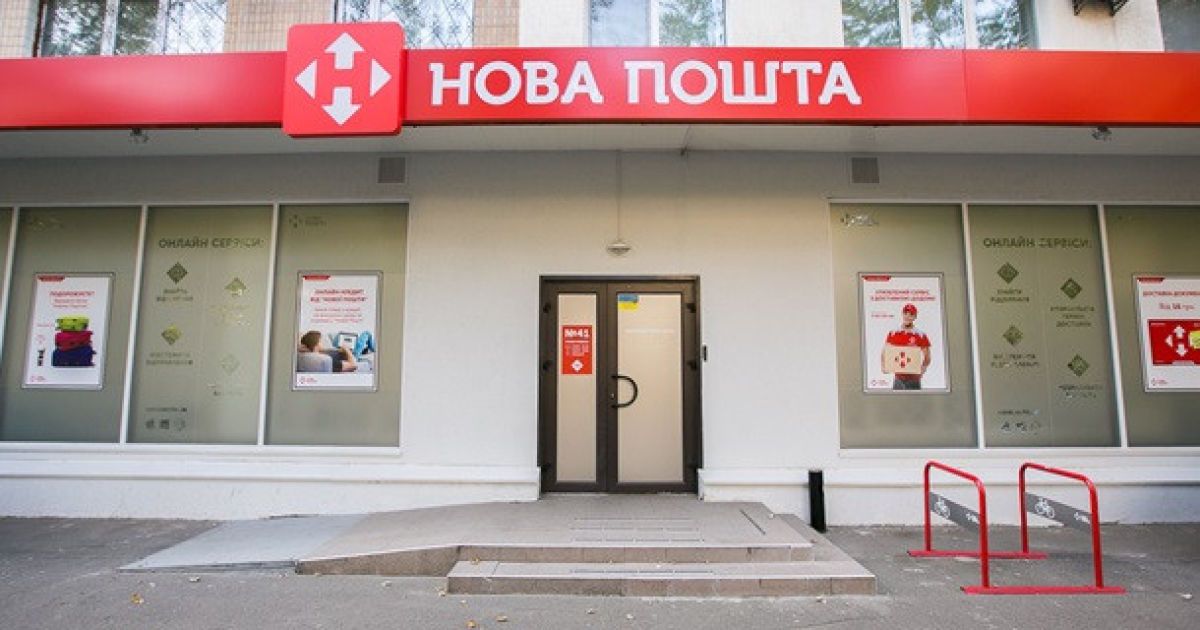 OPINION
In 2025, each Ukrainian got 19.3 packages from Nova Poshta on average, while in 2024, it was 17.1. Even though the population dropped to 27 million, the frequency of using the service went up by 12.8%.
This is stated in a public analysis of the results of the NOVA Group by entrepreneur Oleg Belinsky, who called the company’s report “a case study for textbooks on investing in wartime.”
According to him, logistics has become a basic need, like the internet or electricity. We are witnessing the formation of a super-stable habit: Nova Poshta is now a foundation of everyday life that customers will not give up even in a crisis.
The foundation for this growth was an aggressive focus on parcel lockers.
The NOVA Group has secured its status as the undisputed leader, bringing their number to 35,000 units.
For investors, this is a critical advantage: a parcel locker is not just a metal box, it is a radical simplification of the “last mile.” Whereas previously customers had to plan a trip to the post office, now a parcel locker in their building or a store near their home makes receiving a parcel an impulsive and natural action. This reduces the company’s operating costs for personnel and rent, while increasing the frequency of transactions. The “postal locker near every home” model has turned logistics into part of digital retail, where speed and convenience have become an insurmountable barrier for competitors.
As Belinsky emphasizes, for a global investor, the only honest measure is hard currency. The group’s revenue in 2024 was approximately €1.015 billion (at an exchange rate of 44.1), and in 2025 it grew to €1.084 billion (at an exchange rate of 50). Real revenue growth in euros was 6.7%. In the context of war and devaluation, this is a grandmaster’s result — the business generates added value faster than money depreciates.
Today, the NOVA Group is a diversified portfolio where each segment insures the other. The logistics core in Ukraine generated €852 million in revenue, showing 6% growth in euros even under shelling.
The NovaPay fintech division brought in €196 million, increasing currency income by 11%.
International business in Europe still accounts for a smaller share at €28 million.
In international transportation, the battle is just beginning. While the state operator maintains its leadership in terms of the number of parcels (mainly due to cheap imports from China), the NOVA group is building an alternative highway.
The battle is not about the number of “small packages,” but about speed and control. Supernova’s own airline and network of branches in Europe are a bet that tomorrow’s customer will choose delivery in 3 days instead of 3 weeks, even if it costs a couple of euros more.
This is a battle between service and price, and NOVA’s 29 million international parcels in 2025 are just the beginning of its expansion into the territory of global giants.
“Nova Poshta remains one of the leading Ukrainian brands, and I hope that its logo will appear on the uniforms of Ukrainian sports teams,” the entrepreneur is convinced.
He also believes that after the war, we will see social facilities built by Nova Poshta, as Amazon does.